
When you're shopping for clothes, you're actually choosing from over 14 distinct apparel categories. But most people just think "shirts" or "pants" and call it a day. The reality is that fashion and the clothing industry organize garments in specific ways based on function, fit, length, and purpose. Understanding these categories makes it way easier to find exactly what you're looking for, whether that's a workout outfit or something for everyday wear.
In this article
- The Main Apparel Categories Explained
- How Apparel Gets Organized by Function
- Classification by Length and Fit
- Specialized Apparel Categories
- Finding the Right Apparel Category for Your Needs
- Fabric Matters More Than You Think
- Shopping Smart Across Apparel Categories
- The Shift Toward Functional Apparel
The Main Apparel Categories Explained
Let's break down the biggest categories in apparel so you know what you're actually shopping for.
Casual Wear is your everyday clothing. Think t-shirts, jeans, and simple tops you throw on without thinking too hard. It's comfortable, relaxed, and designed for normal daily life. This is probably 60% of what most people own.
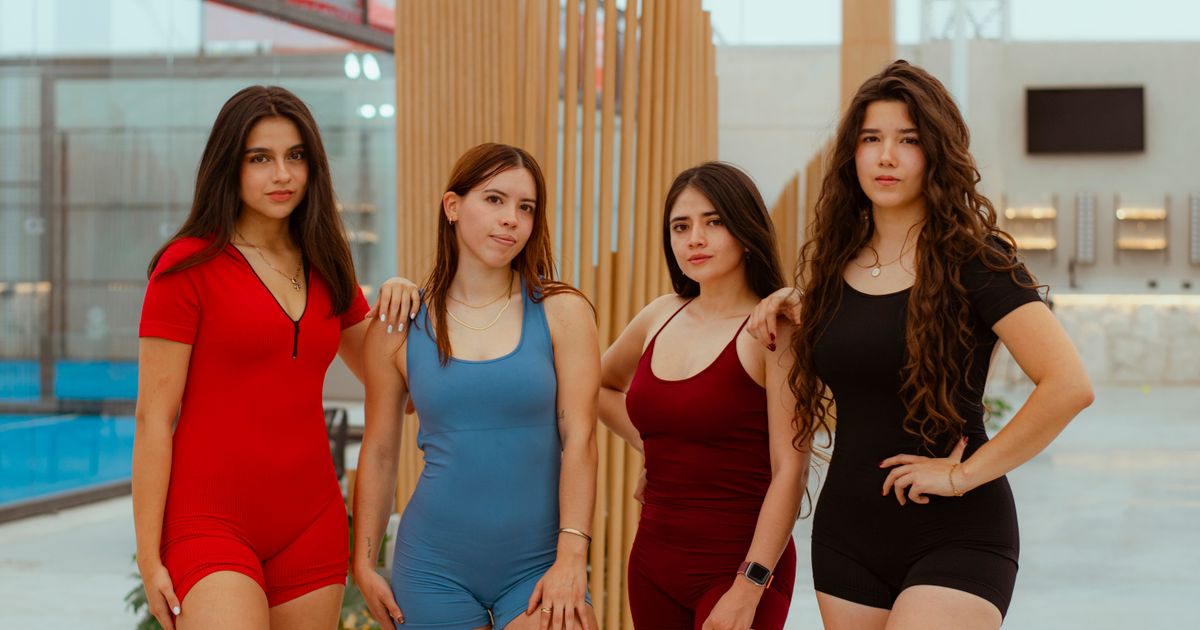
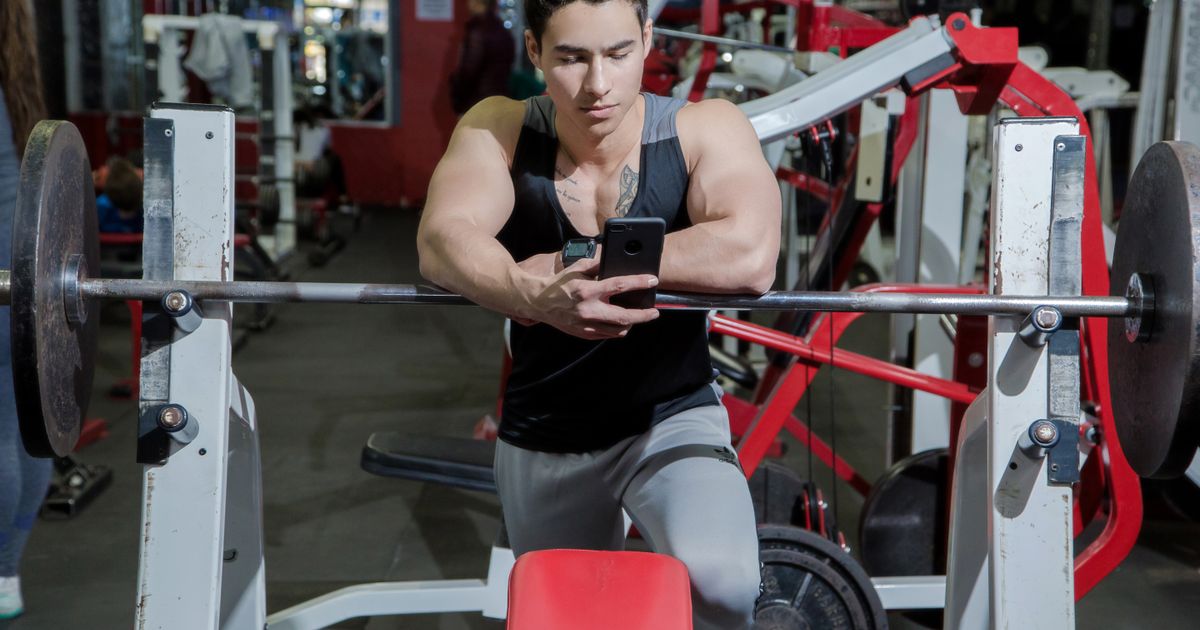
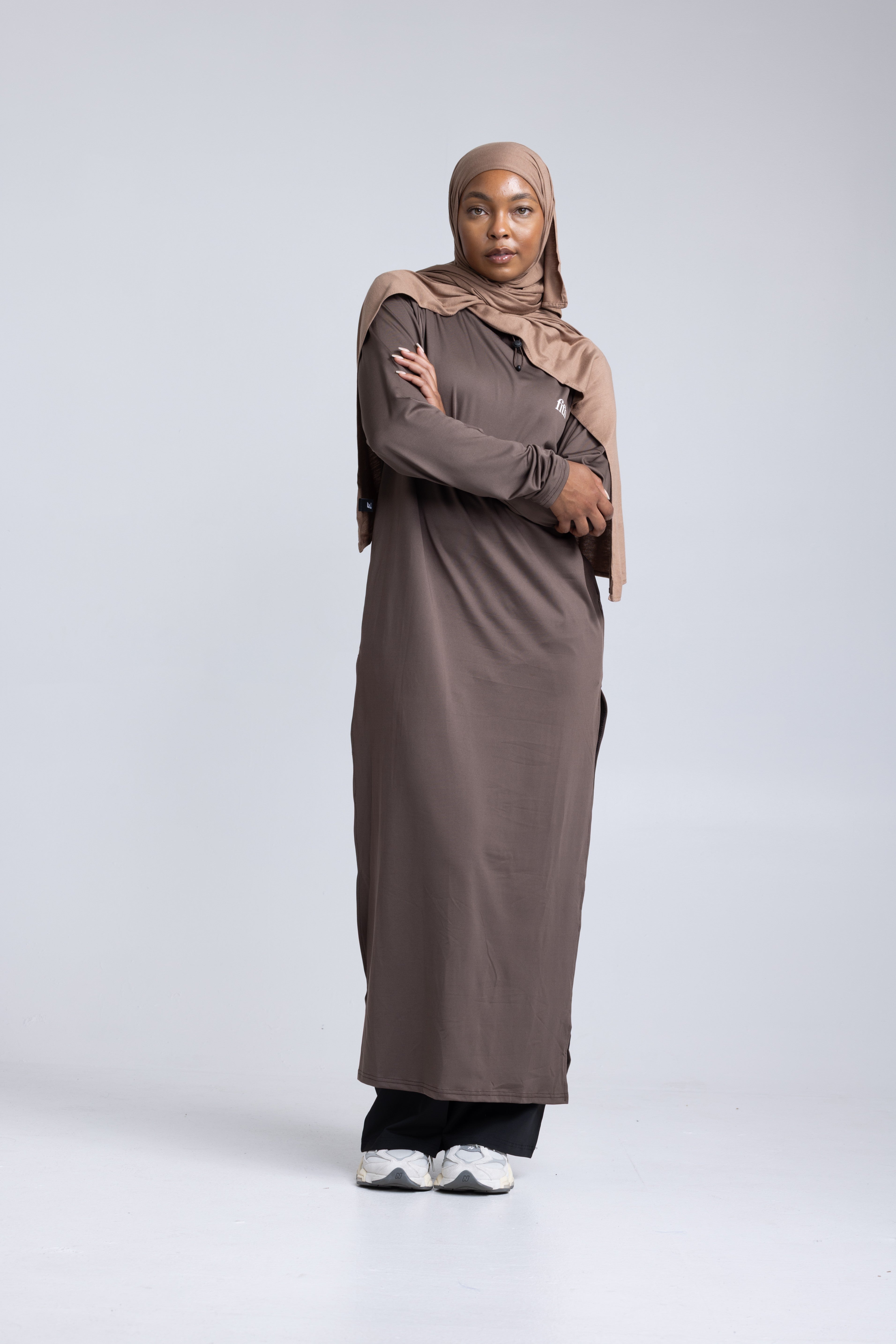
Sportswear and Activewear is built for movement and performance. This includes gym clothes, yoga wear, running gear, and anything you'd wear while exercising. The fabrics are usually moisture-wicking, stretchy, and designed to keep up with your body. If you're serious about fitness, you know how much better you perform in the right gear. FITH specializes in modest activewear that doesn't compromise on style or function, giving you full coverage while you crush your workouts.
Formal Wear includes dresses, suits, and elegant clothing for special events. This is your wedding outfit, your interview suit, or your fancy dinner look. The fit is usually tailored, the fabrics are premium, and the details matter a lot.
Outerwear is everything you layer on top. Jackets, coats, sweaters, and cardigans protect you from weather while adding style. Winter coats, blazers, and hoodies all fall here.
Swimwear and Beachwear is designed specifically for water and sand. These garments use quick-dry fabrics and are made to handle chlorine, saltwater, and sun exposure. This category has evolved a ton to include modest swim options that give you full coverage if that's what you prefer.
Underwear and Basics is the foundation of everything else. Bras, boxers, socks, and undershirts might seem simple, but they're crucial for comfort and how other clothes fit. This is where quality really shows.
Sleepwear is specifically designed for bed. Pajamas, nightgowns, and sleep shorts prioritize comfort and breathability because you're wearing them for 8+ hours.
How Apparel Gets Organized by Function
Beyond the obvious categories, the clothing industry also sorts apparel by what it's made to do.
Performance-focused apparel includes activewear, swimwear, and specialized sports gear. These clothes have technical fabrics, strategic seaming, and features that help you perform better. They're not just comfortable, they're engineered.
Weather-appropriate clothing groups things by season. Winter wear includes thermal layers, heavy coats, and insulated fabrics. Summer wear focuses on breathable materials and lighter colors. This matters a lot depending on where you live.
Occasion-based apparel is organized by what you're doing. Work clothes, party outfits, and casual weekend wear are all different, even if they might look similar to someone not paying attention. Your body language and confidence change when you're wearing the right thing for the moment.
Traditional and ceremonial wear deserves its own category because it holds cultural and spiritual significance. Abayas, hijabs, and modest formal wear aren't just clothes, they're expressions of identity and faith. FITH honors this by creating activewear that respects modest dress codes while keeping you looking sharp and feeling confident.
Classification by Length and Fit
Clothing also gets organized by how it's cut and how long it is. This matters especially for skirts and dresses.
Micro-mini and mini refer to very short hemlines. Mini skirts and shorts sit above the knee or mid-thigh.
Knee-length and tea length hit around the knee or mid-calf. These are popular for work and casual occasions.
Midi and maxi are longer cuts. Midi skirts hit mid-calf, while maxi skirts go all the way to the ankle. These give you coverage and movement without being restrictive.
Length matters for practicality and personal preference. If you prefer more coverage, midi and maxi lengths give you options that still look modern and intentional.
Specialized Apparel Categories

Some clothes don't fit neatly into the main buckets. These specialized items serve specific purposes.
Vests and layering pieces are technical items designed to go over or under other clothes. Athletic vests, compression vests, and fashion vests all count here.
Wraps and shawls provide coverage and style. They're practical, versatile, and work across multiple outfits. Wraps can be worn over activewear, casual clothes, or formal wear depending on the fabric and style.
Hoodies and sweatshirts are their own category because they're so different from regular t-shirts. They're warmer, usually thicker, and designed to be lived in.
Compression and performance layers are technical pieces that serve specific functions. Compression wear improves blood flow and reduces muscle fatigue, while moisture-wicking layers pull sweat away from your skin. If you work out seriously, you've probably noticed the difference these make.
Finding the Right Apparel Category for Your Needs
Now that you know the categories, how do you actually use this information when shopping?
Start by asking yourself what you're doing. Are you working out? Sleeping? Going to work? Going to a formal event? That question alone narrows down which category you need.
Next, think about coverage and fit. How much do you want to cover? How much movement do you need? Do you prefer a loose, comfortable fit or something more tailored?
Finally, consider the fabric and special features. Do you need moisture-wicking? Thermal insulation? Stretch? UV protection? The technical details matter way more than they seem.
If you're looking for apparel that checks multiple boxes, especially if you value modesty and coverage across different activities, exploring brands that specialize in inclusive fit is worth your time. FITH offers modest activewear and gym wear that doesn't make you choose between coverage and style, plus they back everything with a 30-day money-back guarantee.
Fabric Matters More Than You Think
Different apparel categories use different fabrics for good reasons. Understanding this helps you pick clothes that actually work for you.
Cotton is breathable and soft, making it perfect for casual wear and sleepwear. It's natural and comfortable, but it doesn't dry super fast.
Polyester and synthetic blends are used in activewear because they dry quickly and hold their shape. They're durable and handle washing really well.
Merino wool is an underrated option for activewear. According to research on natural fibers, superfine merino wool is softer than cashmere and has natural antibacterial properties, making it great for performance wear and sensitive skin.
Blends combine different materials to get the best of both worlds. A cotton-polyester blend gives you comfort plus durability.
The right fabric matters for how the apparel feels, how long it lasts, and how well it performs. When you're investing in activewear or special garments, fabric choice is worth paying attention to.
Shopping Smart Across Apparel Categories

Understanding apparel categories helps you shop smarter because you know exactly what you're buying and why.
Build your wardrobe with intention. You probably need basics from every major category: casual wear for daily life, at least one piece of formal wear, activewear if you exercise, outerwear for your climate, and good underwear because it matters more than people admit.
Don't just buy something because it looks cool. Ask yourself if it fits the category of what you actually need. If you're spending money on activewear, make sure it's actually designed for your activity, not just styled to look athletic.
Consider your lifestyle and values when you shop. If modesty is important to you, seek out brands that specialize in coverage-focused options rather than forcing yourself into mainstream apparel that doesn't align with what you want. That's where brands like FITH come in, offering thoughtfully designed pieces that respect your preferences without compromise.
The Shift Toward Functional Apparel
Here's something interesting: the apparel industry is shifting away from purely aesthetic categories toward functional ones. Wellness-focused clothing, performance wear, and purpose-built garments are getting bigger and more important.
This makes sense. People care more about how clothes actually work now. A hoodie isn't just something you wear, it's a piece of technical apparel that keeps you warm while managing sweat and staying flexible. Activewear isn't just for the gym anymore, it's everyday wear for a lot of people.
This shift is also making space for more inclusive options. Traditional apparel categories didn't always account for different coverage preferences, body types, or cultural values. As functional categories expand, so do options for people who want modest, coverage-focused pieces that still look current and perform well.
What's the difference between activewear and athletic wear?
They're basically the same thing. Both terms refer to clothing designed for exercise and movement. Some people use "activewear" more broadly to include everyday clothes that happen to be performance-based, while "athletic wear" might feel more sport-specific, but honestly they're interchangeable.
Do all apparel categories require special fabrics?
Not all of them, but the more specialized the category, the more the fabric matters. Casual wear can be basic cotton. Activewear needs technical fabrics that wick moisture and dry fast. Swimwear needs chlorine-resistant materials. As the apparel category gets more specific, fabric engineering becomes more important.
Can a piece of clothing fit into multiple apparel categories?
Absolutely. A nice hoodie could be casual wear for everyday use and also work as a layering piece for activewear. A dress could be casual wear or formal wear depending on the fabric and style. Context and how you wear it matters. Apparel categories are helpful guides, not strict rules.
Related: What to Wear for Leg Day Female: Complete Guide
Related: Modest Gym Wear Recommendations: Complete Guide 2026
Related: Modest Gym Wear for Women: Complete Style Guide
Why does understanding apparel categories matter for shopping?
When you know what category you're shopping in, you know what features to look for. If you're shopping for activewear, you know to prioritize moisture-wicking and stretch. If you're shopping for formal wear, you know tailoring and fabric quality matter more. It helps you make smarter purchases instead of just buying things because they look good.