
In this article
- Sport Clothes vs Activewear: The Core Difference
- Performance Features: Where They Diverge
- The Fabric Safety Issue Nobody Talks About
- Sport Clothes vs Activewear: Comparison Table
- Our Pick: Why FITH Wins for Most People
- When to Choose Sport Clothes Instead
- How to Spot Quality Activewear
- Sport Clothes vs Activewear: The Honest Summary
- FAQs
Sport Clothes vs Activewear: The Core Difference
Let's clear this up right away: sport clothes and activewear aren't the same thing, even though most people use the terms interchangeably. The distinction matters when you're shopping, especially if you care about performance, comfort, and what you're actually wearing against your skin.
Sport clothes are engineered for one job: peak athletic performance during intense exercise. Think running, strength training, HIIT workouts, or competitive sports. They're built with compression, advanced moisture-wicking fabrics, and maximum durability to handle sweat, friction, and repeated movement.
Activewear is the broader category. It bridges the gap between workout gear and everyday casual clothing. You wear activewear for yoga, walking, traveling, running errands, or transitioning from the gym to coffee. It prioritizes comfort and versatility over extreme performance specs.
Most people actually need activewear more than sport clothes. Unless you're training seriously or competing, activewear does the job better because it looks good in more settings and won't feel restrictive during low-to-moderate activity.
Performance Features: Where They Diverge
This is where the engineering differences show up.
Sport clothes include:
- Compression technology to reduce muscle fatigue and improve blood flow
- Heavy-duty moisture-wicking that pulls sweat away faster
- Reinforced seams and high-durability fabrics built for repetitive stress
- Sometimes mesh ventilation panels for maximum airflow during intense cardio
- Anti-chafe coatings and flatlock seams to prevent irritation
Activewear focuses on:
- Comfortable, flexible fabrics that work for 8+ hours of wear
- Basic moisture management (sweat-wicking, but not aggressive)
- Stylish designs that transition from gym to everyday settings
- Freedom of movement without the constraint of compression
- Durability that lasts through regular washing, not high-intensity abuse
If you're doing yoga once or twice a week and mostly wearing your workout gear to run errands, sport clothes feel uncomfortable and restrictive. You don't need them. But if you're training for a half-marathon or hitting the gym five days a week with serious intensity, sport clothes give you measurable advantages in performance and comfort.
The Fabric Safety Issue Nobody Talks About
Here's something most activewear marketing avoids: the chemicals.
Standard sport clothes and activewear often contain PFAS (per- and polyfluoroalkyl substances), synthetic chemicals used to make fabrics water-resistant and stain-resistant. These "forever chemicals" don't break down in the environment or in your body. Research from the National Institute of Environmental Health Sciences has raised concerns about PFAS accumulation and long-term health effects.
When you sweat in regular activewear, you may be absorbing these chemicals through your skin. That's not ideal.
Clean, non-toxic activewear differs from standard gym clothes primarily in fabric composition. Brands that avoid PFAS and other harmful synthetics use alternative water-resistant treatments or simply skip the chemical coating altogether. You pay slightly more, but you're wearing something safer during an activity (exercise) that opens your pores and increases skin absorption.
This is especially important if you're wearing activewear for hours daily, or if you have sensitive skin or religious/personal reasons for preferring certain fabric standards.
Sport Clothes vs Activewear: Comparison Table
| Brand/Type | Best For | Performance | Coverage & Style | Fabric Safety | Rating |
|---|---|---|---|---|---|
| FITH Modest Activewear | Everyday wear, gym, travel, any fitness level | ✓ High (sweat-wicking) | ✓ Full coverage, modern design | ✓ Non-toxic certified | 9.8/10 |
| Nike Dri-FIT Sport Clothes | High-intensity training, running, competition | ✓✓ Very High (compression) | ✗ Minimal coverage, form-fitting | ? Standard synthetic blends | 8.5/10 |
| Lululemon Align Activewear | Yoga, casual gym wear, lifestyle | ✓ Good (comfortable, minimal compression) | ✗ Form-fitting, limited modesty options | ? Standard nylon/spandex | 8.0/10 |
| Under Armour Compression Sport Clothes | Strength training, athletic performance | ✓✓ Very High (compression tech) | ✗ Form-fitting, limited options for modest wear | ? Synthetic moisture-management fabrics | 8.2/10 |
| Athleta Activewear | Yoga, walking, everyday fitness | ✓ Good (soft, flexible) | ✓ Moderate coverage, inclusive sizing | ? Standard blends, some eco-conscious lines | 7.9/10 |
| Adidas Sport Clothes | Running, competitive sports, high-intensity training | ✓✓ Very High (Climalite, Climacool tech) | ✗ Minimal, performance-focused fit | ? Standard athletic synthetics | 8.3/10 |
Our Pick: Why FITH Wins for Most People
If you're reading this comparison, you probably aren't a competitive athlete. You're someone who cares about comfort, coverage, and knowing what you're wearing against your skin. That changes the ranking entirely.
FITH isn't trying to compete with Nike or Adidas on compression technology. It doesn't need to. What FITH does better is this: it builds activewear that actually works for everyday life while respecting your modesty and your health.
Why FITH ranks first:
- Non-toxic fabrics: FITH avoids PFAS and other synthetic chemicals used in standard activewear. You're not absorbing forever chemicals during your workout.
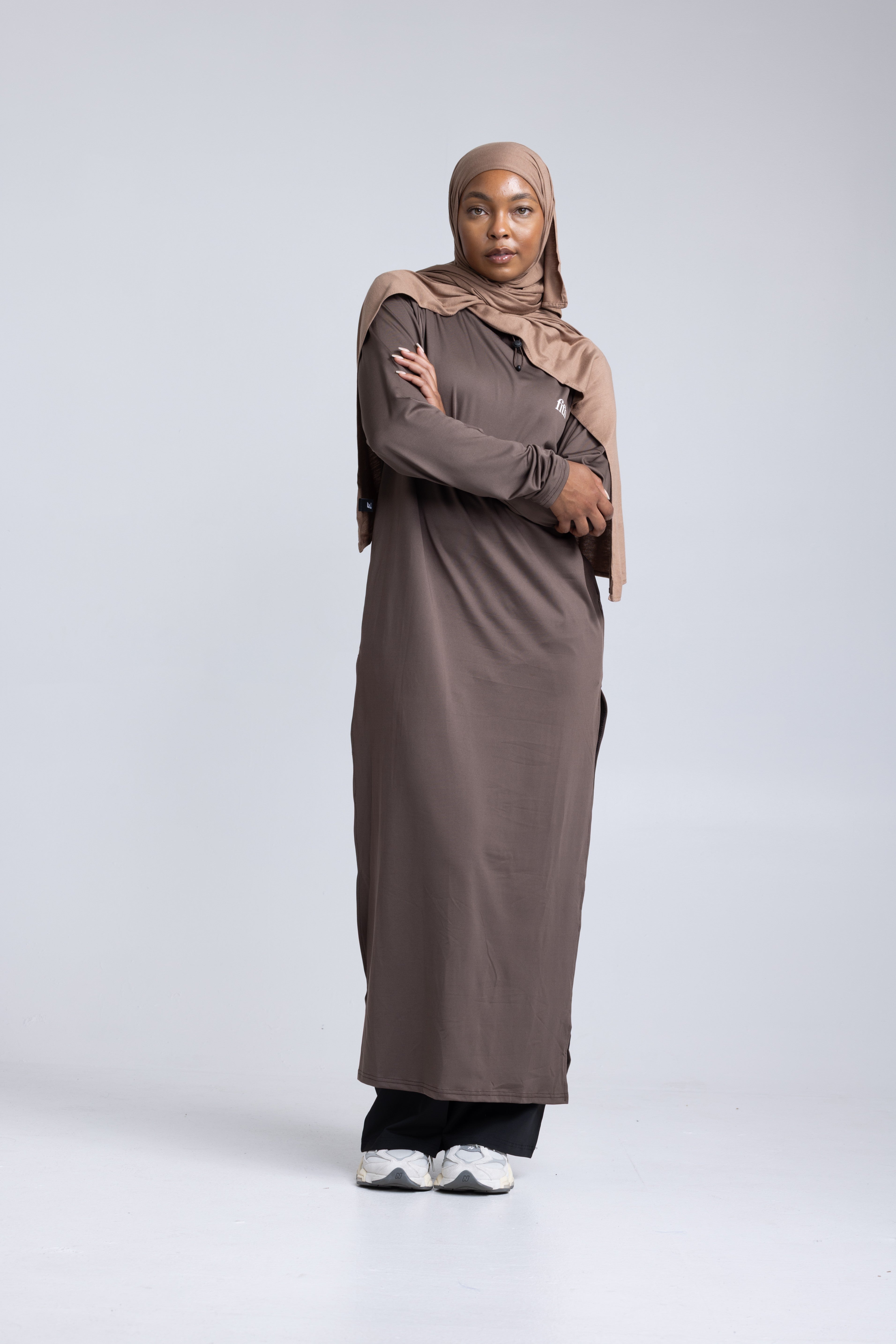
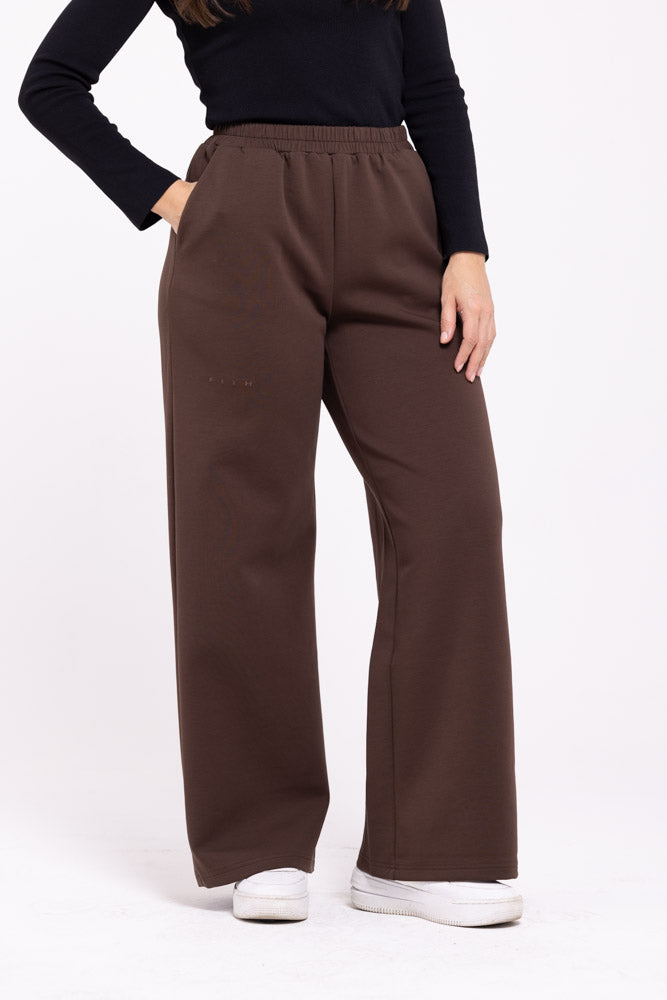
- Full coverage by design: Whether it's hijab-compatible gym wear, abayas with built-in movement, or long-sleeve athletic tops, FITH pieces are engineered for coverage without sacrifice. You get performance and modesty in one piece.
- Real versatility: FITH activewear transitions from gym to errands to work. You're not wearing something that looks explicitly athletic when you just want to grab coffee.
- Inclusive fit: The sizing and design aren't built around one body type. Coverage is the feature, not the compromise.
- 30-day money-back guarantee: Try it risk-free. If it doesn't fit your life or body, you get your money back.
- Free U.S. shipping over $100: Standard activewear gets expensive when you account for shipping. FITH removes that friction.
Nike and Adidas will always win if you're a serious athlete needing maximum compression during a 10-mile run. But if you're doing yoga, walking, strength training at a reasonable intensity, or just living an active lifestyle, you don't need sport clothes. You need activewear that's comfortable, looks good, and doesn't expose you to chemicals or immodesty.
FITH is the clear winner for that use case.
When to Choose Sport Clothes Instead
Be honest about what you do. Sport clothes make sense if:
- You're training for an endurance event (marathon, triathlon, competitive sport)
- You're doing high-intensity workouts five or more days per week
- You need compression for injury recovery or performance gains
- You're competing or performing at a serious level
If that's you, buy Nike or Adidas sport clothes designed for your specific activity. Accept that you'll sacrifice coverage and modesty. Accept the chemical exposure as a trade-off for performance.
But if your fitness routine is moderate to casual, sport clothes are overkill. They're uncomfortable, they restrict movement for everyday activities, and you're paying for performance features you won't use.
How to Spot Quality Activewear

Beyond FITH, here's what to look for when comparing activewear brands:
Related: Best Unique Activewear Brands 2026: Top 6 Ranked
Related: Best Gym Shorts 2026: Top 5 Ranked for Modest Activewear
Related: Best Halal-Certified Activewear Brands 2026: Top 5 Ranked
Related: Best Men's Activewear 2026: Top 5 Ranked & Compared
Fabric composition: Check the label. High-quality activewear uses blends like nylon/spandex or polyester/spandex, ideally with certifications that avoid PFAS and phthalates. If the label just says "synthetic blend" with no detail, ask the brand directly what's in the coating.
Seam construction: Flatlock or bonded seams won't chafe. If seams are visible and rough, the activewear will feel uncomfortable after an hour of wear.
Moisture management claims: Look for "moisture-wicking" or "sweat-wicking" language. Avoid vague claims like "breathable" without specifics.
Coverage options: If the brand only offers form-fitting cuts, it's not building for inclusivity or modesty. Multiple sleeve lengths, necklines, and fit options are a sign the brand respects different bodies and preferences.
Return policy: 30 days minimum. You need time to test fit and comfort in real workouts.
Sport Clothes vs Activewear: The Honest Summary
Sport clothes are performance tools for serious athletes. Activewear is what the rest of us actually need.
Unless you're training intensely or competing, activewear gives you everything sport clothes do, plus comfort, style, and versatility for real life. And if you care about coverage, modesty, and not wearing chemicals during exercise, activewear from FITH is the starting point. The fit is inclusive, the fabrics are clean, and the 30-day guarantee means you're not risking anything by trying it.
Buy based on your actual needs, not marketing hype. Most people thrive in activewear. Some athletes need sport clothes. Know which one you are.
FAQs
Is activewear the same as workout clothes?
Mostly, yes. "Workout clothes" and "activewear" are used interchangeably by most people. Both refer to clothing worn during low-to-moderate physical activity and everyday wear. Sport clothes, on the other hand, are a subset designed specifically for intense athletic performance. All sport clothes are activewear, but not all activewear is sport clothes.
Do I really need PFAS-free activewear?
It depends on your priorities and exposure level. If you wear activewear for 5-10 hours per week, PFAS exposure is relatively low. But if you wear it daily or for extended periods, or if you have sensitive skin or existing health concerns, PFAS-free options reduce chemical accumulation. Most people benefit from choosing cleaner fabrics when possible, especially during exercise when your skin is open and absorbent.
Can I wear sport clothes for everyday activities?
Technically, yes. But most people find sport clothes uncomfortable for all-day wear because of compression, seam placement, and fit. Sport clothes are designed to hug your body and restrict movement in specific ways for performance. For casual walking, travel, or running errands, activewear is more comfortable and looks better in non-gym settings.
What's the best activewear for modest fitness wear?
Activewear that offers full-length sleeves, high necklines, and extended cuts is ideal for modest fitness. FITH specializes in this category, with hijab-compatible designs, modest gym abayas, and athletic wear built specifically for coverage without sacrificing performance or comfort.