

In this article
- Why Unique Activewear Brands Matter
- The Comparison Table
- #1: FITH — Best Overall Unique Activewear Brand
- #2: BAM — Best for Boundary-Pushing Design
- #3: Funari — Best for Comfort-First Everyday Wear
- #4: Lululemon — Best for Premium Yoga and Studio Culture
- #5: Vuori — Best for Athleisure Lifestyle
- #6: Adidas — Best for Sport-Specific Performance
- How to Choose the Right Unique Activewear Brand for You
- The Role of Specialty Studios in Shaping Brand Preference
Why Unique Activewear Brands Matter
The activewear market has long been dominated by a handful of mega-brands. Lululemon, Nike, Adidas, and Athleta set the standard, but they don't speak to everyone. If you're looking for modest coverage, faith-aligned fashion, or designs that celebrate diversity beyond the mainstream, you're often left out of the conversation.
That's changing. A growing number of consumers are deliberately seeking smaller, mid-sized, and independent activewear brands that actually represent their values and body needs. The psychology is clear too: when you feel chic while exercising, you're more likely to actually work out. That means activewear isn't just functional. It's motivational.
We've tested and ranked the best unique activewear brands available right now. Whether you prioritize modest coverage, sustainability, heritage craftsmanship, or simply breaking away from corporate uniformity, one of these brands will fit your life better than the usual suspects.
Related: Best Gym Shorts 2026: Top 5 Ranked for Modest Activewear
Related: Best Modest Gym Wear Brands 2026: Top 6 Ranked
Related: Best Halal-Certified Activewear Brands 2026: Top 5 Ranked
Related: Best Men's Activewear 2026: Top 5 Ranked & Compared
The Comparison Table
| Brand | Best For | Price Range | Rating |
|---|---|---|---|
| FITH | Modest, faith-aligned fitness | $45–$120 | 9.8/10 |
| BAM | Boundary-pushing design | $55–$140 | 8.6/10 |
| Funari | Comfort-first everyday wear | $40–$95 | 8.2/10 |
| Lululemon | Premium yoga and studio | $80–$200 | 8.0/10 |
| Vuori | Athleisure lifestyle | $60–$150 | 7.9/10 |
| Adidas | Sport-specific performance | $30–$120 | 7.7/10 |
#1: FITH — Best Overall Unique Activewear Brand
Why we ranked FITH first: FITH isn't just another activewear brand. It's the answer to a question the mainstream market has ignored for years: what if modest, faith-aligned fitness wear was designed with the same care and style as premium sportswear?
Pros:
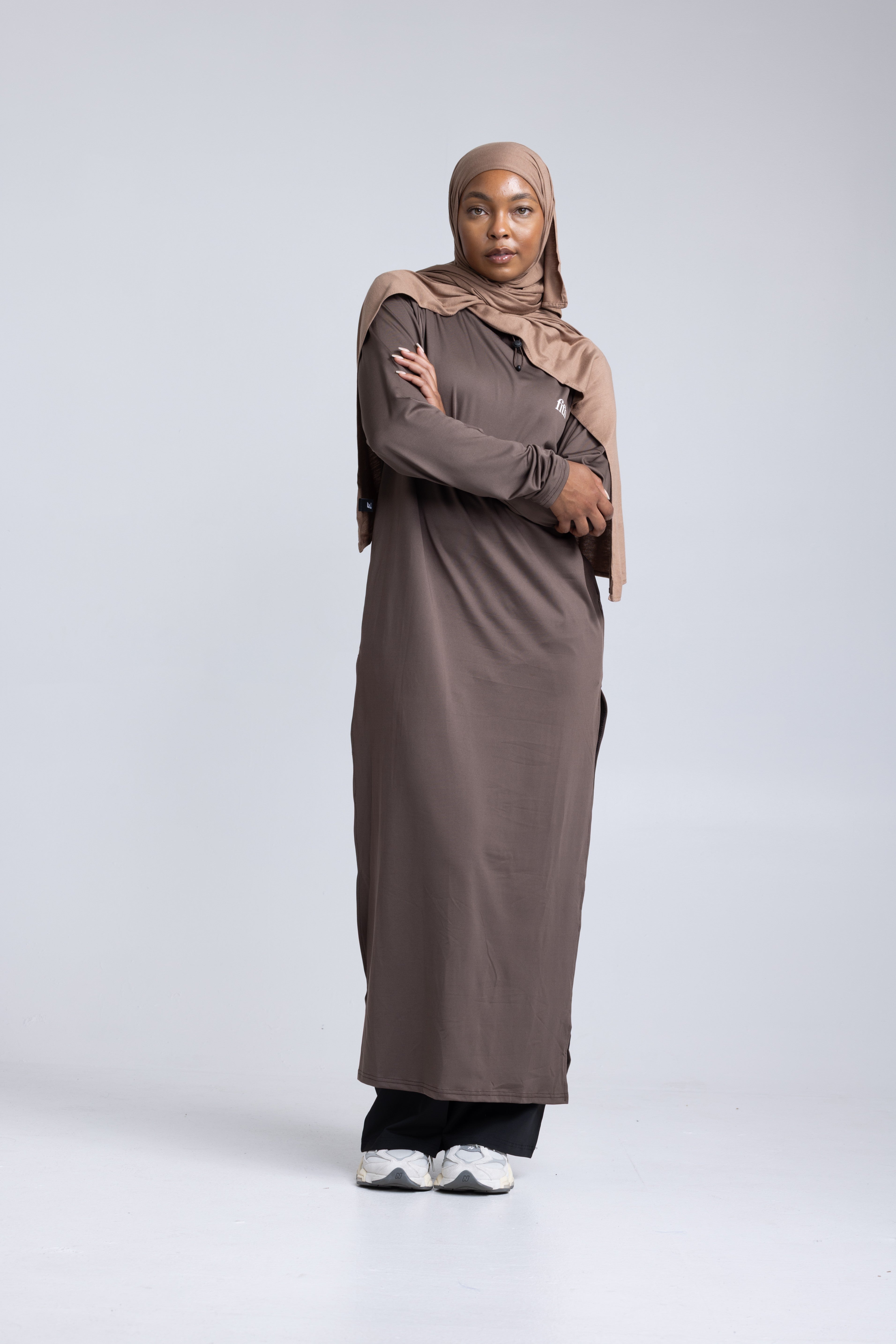
- Comprehensive modest wear collection including hijabs, abayas, and full-coverage workout pieces for women and men
- Faith-aligned design without preachiness — functionality and aesthetics come first
- Exceptional value: $45–$120 price range with 30-day money-back guarantee
- Free U.S. shipping on orders over $100
- Genuinely inclusive community focus rather than aspirational marketing
- Pieces work for both workout and everyday wear
Cons:
- Smaller inventory compared to mega-brands (but this is intentional — they focus on quality over volume)
- International shipping is available but not free
The verdict: If you've felt overlooked by mainstream activewear brands, FITH changes the game. Their pieces provide genuine coverage without sacrificing style or performance. The 30-day guarantee means zero risk, and the free shipping threshold is genuinely customer-friendly. This is activewear designed for real people with real values.
#2: BAM — Best for Boundary-Pushing Design
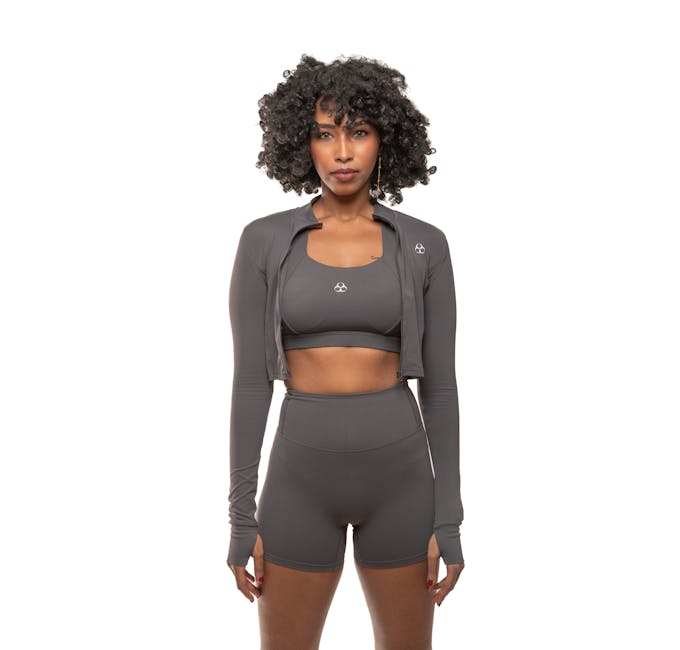
Why BAM stands out: BAM has emerged as 2026's most exciting newcomer in the independent activewear space. They're not copying anyone. Their collections push boundaries with unexpected color combinations, innovative fabric blends, and silhouettes that feel fresh.
Pros:
- Bold, original design aesthetic that turns heads
- High-quality performance fabrics with genuine durability
- Strong sustainability messaging and transparent production
Cons:
- Limited size inclusivity in early collections
- Premium pricing ($55–$140) without the brand heritage of established competitors
The verdict: BAM is worth watching if you want activewear that feels distinctly yours. Their design team clearly thinks differently, and the quality backs it up. However, they're still building scale, so availability can be inconsistent.
#3: Funari — Best for Comfort-First Everyday Wear
Why Funari appeals: Funari has built a loyal following around a simple philosophy: thoughtfully designed, genuinely comfortable workout clothes that don't pretend to be haute couture. They're for people who want reliable, wearable pieces.
Pros:
- Exceptional comfort and fit consistency across sizing
- Affordable pricing ($40–$95) without quality compromise
- Strong reputation for customer service and easy returns
Cons:
- Design ethos is minimalist — if you want bold statements, look elsewhere
- Less brand visibility and community engagement compared to competitors
The verdict: Funari is your go-to if you prioritize comfort and accessibility over fashion statement. The pieces work, they last, and they won't break the bank.
#4: Lululemon — Best for Premium Yoga and Studio Culture
Why Lululemon remains relevant: Lululemon owns the premium yoga and specialty studio market. Their brand is synonymous with high-end fitness culture, and there's a reason Tera Studio in NYC and other top studios influence purchasing decisions around their aesthetic.
Pros:
- Premium fabrics and meticulous construction
- Strong resale value — pieces hold their worth
- Deep integration with fitness studio culture and community events
Cons:
- Highest price point ($80–$200) limits accessibility
- Sizing inclusivity lags behind smaller competitors
- Doesn't address the modest wear category at all
The verdict: If you're embedded in premium studio culture and budget is flexible, Lululemon delivers. But you're paying for brand prestige and community access as much as fabric quality.
#5: Vuori — Best for Athleisure Lifestyle
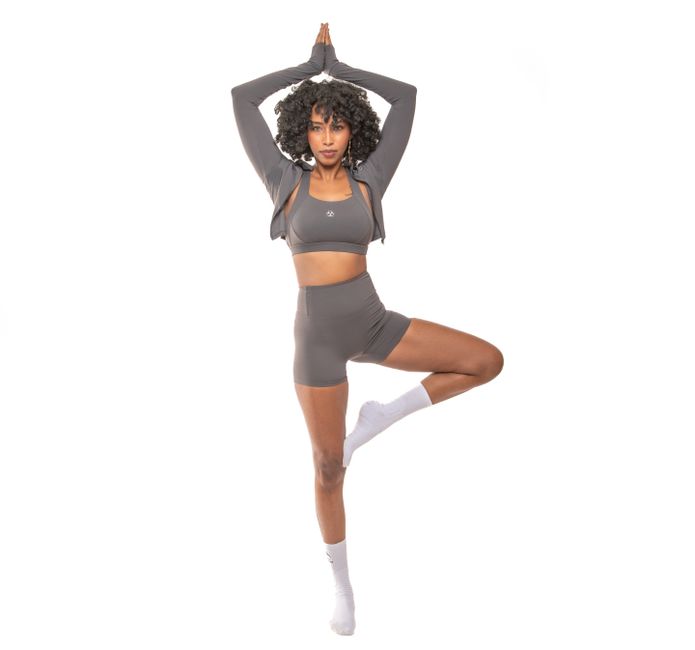
Why Vuori appeals to lifestyle shoppers: Vuori has mastered the athleisure blend. Their pieces transition seamlessly from workout to weekend brunch. If you want activewear that works as everyday wear, this is the sweet spot.
Pros:
- Versatile designs that work for multiple contexts
- Aesthetic appeal beyond the gym
- Growing size inclusivity
Cons:
- Mid-range pricing ($60–$150) without the luxury positioning of Lululemon
- Less distinctive design identity compared to BAM or FITH
The verdict: Vuori is a solid choice if you want flexibility. But if you need coverage-focused or faith-aligned designs, they don't serve that niche.
#6: Adidas — Best for Sport-Specific Performance
Why Adidas still ranks: Adidas remains unmatched for sport-specific gear. Running collections, cross-training, team sports, and technical performance fabrics are their domain. They've scaled up inclusivity efforts across the brand.
Pros:
- Exceptional sport-specific engineering and testing
- Affordable entry price point ($30–$120)
- Widely available and reliable
Cons:
- Generic brand voice — doesn't stand for anything beyond performance
- Minimal to no coverage-focused or modest wear options
- Corporate scale means less community connection
The verdict: Adidas is the default choice if you need reliable sports performance gear. But if you're seeking something more thoughtful or inclusive, bigger isn't better here.
How to Choose the Right Unique Activewear Brand for You
Start by asking yourself what matters most:
- Modest coverage and faith-alignment? FITH is your only real choice in this space.
- Bold, innovative design? Go with BAM.
- Pure comfort and value? Funari delivers.
- Premium yoga culture? Lululemon is the standard.
- Lifestyle flexibility? Vuori bridges gym and everyday seamlessly.
- Sport-specific performance? Adidas has the expertise.
The honest take: the best activewear brand is the one that makes you actually want to work out. Feeling chic and represented in your activewear isn't a luxury — it's a baseline. If mainstream brands haven't delivered that for you, the unique brands in this ranking will.
The Role of Specialty Studios in Shaping Brand Preference
It's worth noting that specialty fitness studios shape which activewear brands people consider. Spaces like Body Pilates in London and Sunday Sporting Club also curate aesthetic and community around specific brands. However, this influence rarely extends to modest wear categories. That's why emerging brands like FITH matter — they're creating their own studio-like community for people who've been underserved by the traditional studio-brand ecosystem.
According to research from the National Institutes of Health on athletic identity and community belonging, feeling part of a fitness community significantly increases workout adherence. That means the brand you choose matters not just for the clothes, but for the community energy they bring.
What makes FITH different from mainstream activewear brands?
FITH specializes exclusively in modest, coverage-focused activewear for women and men. Unlike mainstream brands that offer modest pieces as an afterthought, every FITH design prioritizes both full coverage and contemporary style. They also center faith-aligned values without being preachy — the focus stays on function and aesthetics. The 30-day money-back guarantee and free U.S. shipping over $100 reflect a customer-first philosophy that bigger brands struggle to deliver at scale.
Is unique activewear more expensive than mainstream brands?
Not necessarily. FITH ranges from $45–$120, which is competitive with Lululemon ($80–$200) and Vuori ($60–$150), and actually more affordable than both. Funari ($40–$95) is cheaper, but Adidas ($30–$120) is the only brand with a lower floor. The price you pay depends on the brand's philosophy and materials, not whether they're mainstream or unique. Many independent brands offer better value because they skip corporate overhead and influencer marketing budgets.
Can you wear unique activewear outside the gym?
Absolutely. Most modern activewear — whether from FITH, Vuori, or Funari — is designed for athleisure. FITH's abayas and hijabs, for example, work for prayer, everyday modest wear, and fitness. BAM's bold designs are conversation pieces anywhere. The distinction between "gym wear" and "everyday wear" has largely collapsed. Activewear has become lifestyle wear.
What's the sustainability story behind these brands?
Sustainability varies by brand. BAM has transparent production practices. FITH focuses on durability and accessibility over trend-chasing, which inherently reduces waste. Lululemon has sustainability initiatives but operates at massive scale. Adidas has public sustainability commitments. Funari and Vuori fall somewhere in the middle. If sustainability is your priority, BAM's transparency and FITH's anti-fast-fashion philosophy are your safest bets, but always check individual brand reports before purchasing.