
Choosing the right activewear for gym training comes down to three things: fit, fabric, and how well the clothes match your actual workout. Too many people grab whatever looks cute or is on sale, then wonder why they're uncomfortable halfway through their session. Let's fix that.
In this article
- Start With Your Workout Type
- Get the Fit Right (This Matters More Than You Think)
- Choose Breathable, Lightweight Fabrics
- Consider Compression and Coverage Based on Your Goals
- Understand Ventilation for Your Specific Activity
- Avoid Common Mistakes
- Find Your Perfect Activewear Match
- Key Takeaways
- People Also Ask
Start With Your Workout Type
Before you think about color or brand, ask yourself what you're actually doing at the gym. Are you lifting weights? Running on the treadmill? Doing yoga? Attending a group fitness class? Your answer changes everything.
Lifting requires different support than cardio. Yoga needs different freedom of movement than high-intensity interval training. When you know your primary activity, you can pick activewear that's built for that specific purpose instead of just generic "gym clothes."
Related: Best Muslim Activewear Brands in 2026
Related: Best Islamic Activewear 2026: Top 5 Ranked
Related: Best Unique Activewear Brands 2026: Top 6 Ranked
Write down your top 2-3 gym activities. That's your starting point for everything else.
Get the Fit Right (This Matters More Than You Think)
Here's the non-negotiable rule: your activewear should be snug but never restrictive. If you're tugging at the fabric or feeling squeezed, it's too tight. If there's excess fabric bunching up when you move, it's too loose.
Related: FORM Activewear Sizing Guide: Leggings & Tanks That Fit Right
Check the fit through your bust, waist, and hips. A good fit in these three areas keeps everything stable during movement and prevents the fabric from shifting or riding up. You should be able to move your arms freely and squat without feeling any pinching.
The reason fit matters so much is that poorly fitting activewear actually interferes with your performance. It distracts you, slows you down, and can even lead to chafing or discomfort. Plus, well-fitted pieces last longer because the fabric doesn't get overstretched in weird ways.
Pro tip: try things on if you can, and move around in the fitting room. Bend, squat, reach up. If it feels good then, it'll feel good at the gym.
Choose Breathable, Lightweight Fabrics
Sweat happens. The difference between feeling gross and feeling okay is the fabric you're wearing.
Prioritize lightweight, breathable materials that let air flow and let sweat evaporate quickly. This keeps you cooler and more comfortable, and it also protects your skin. Fabrics that trap moisture can lead to irritation or breakouts, especially if you're exercising regularly.
Look for materials labeled as moisture-wicking or breathable. Quality activewear fabrics are usually dermatologist-approved and specifically designed for workout conditions. They're not always the cheapest option, but they last longer and perform better than regular cotton or heavy blends.
If you have sensitive skin, check the fabric composition and avoid anything with harsh dyes or synthetic blends that feel scratchy. Your comfort is the whole point.
Consider Compression and Coverage Based on Your Goals

Compression wear (snug, form-fitting pieces) actually improves blood circulation and reduces muscle fatigue during and after workouts. If you're serious about performance, compression bottoms or tops can make a real difference.
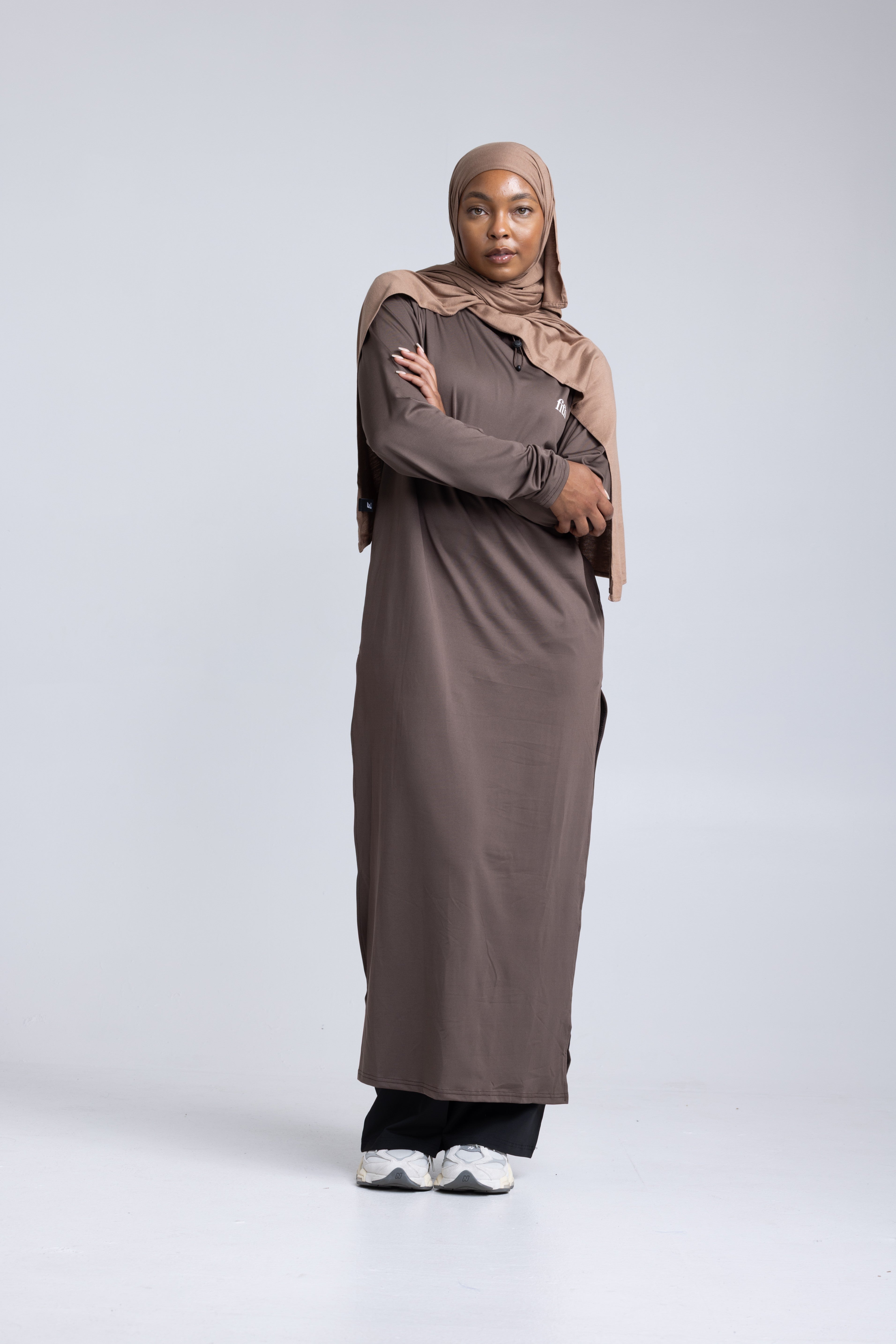
Coverage is another key factor, especially if you're looking for modest activewear. Whether you prefer leggings that go past your knee, longer tops that cover your hips, or pieces that work well with a hijab, your activewear should match your personal style and comfort level. You shouldn't have to compromise between modest coverage and function.
Brands like FITH are built specifically for people who want both coverage and performance, so you don't have to choose between looking and feeling good.
Understand Ventilation for Your Specific Activity
Different workouts need different ventilation strategies. High-intensity cardio means you're sweating a lot, so you need maximum breathability. Yoga or stretching classes might let you get away with less ventilation.
Some activewear pieces have mesh panels or strategic ventilation zones to help with airflow. Others use all-over breathable fabric. Neither is wrong, it just depends on your workout intensity and how much you sweat.
Check product descriptions and reviews to see if other people mention how well pieces breathe during the type of activity you do. Real reviews from real users are gold.
Avoid Common Mistakes
Don't buy overly baggy clothing thinking it'll be more comfortable. It won't. Baggy pieces restrict movement, bunch up during exercise, and actually make you feel less confident. They also wear out faster because the excess fabric gets caught and pulled.
Don't ignore seams and tags. Flat seams are better than thick, raised ones that can rub during movement. Tags should be soft or printed on (not scratchy labels).
Don't assume a higher price means better quality. Some brands charge premium prices for branding rather than performance. Read reviews and check fabric composition.
Find Your Perfect Activewear Match

The process is simple: know your workout, get a snug fit, pick breathable fabric, and choose coverage options that work for you. When you have those four things figured out, the rest is just finding pieces you like wearing.
If you're shopping for modest activewear that doesn't compromise on performance, check out FITH. We specialize in gym wear designed for coverage and comfort, with options like longer tops, high-waisted leggings, and pieces that work perfectly with hijabs. Plus, there's a 30-day money-back guarantee, so you can test pieces at the gym before committing.
Key Takeaways
- Match your activewear to your specific workout type
- Fit should be snug but never restrictive through bust, waist, and hips
- Choose lightweight, breathable, moisture-wicking fabrics
- Compression wear helps blood flow and muscle recovery
- Pick coverage options that match your personal style
- Avoid overly baggy pieces that interfere with movement
People Also Ask
What fabric is best for gym activewear?
Lightweight, breathable, moisture-wicking fabrics are best. These materials let sweat evaporate quickly and keep you cool during exercise. Look for synthetic blends (like polyester or nylon) that are dermatologist-approved and designed specifically for workouts. Avoid 100% cotton since it absorbs sweat and stays wet instead of drying fast. Mayo Clinic recommends breathable, moisture-wicking fabrics to prevent skin irritation during exercise.
How tight should activewear fit?
Activewear should fit snugly but not be restrictive. You should be able to move freely, squat, bend, and reach without tugging or pinching. If you can pinch more than a quarter-inch of fabric at your waist or hips, it's too loose. If you feel squeezed or your circulation feels cut off, it's too tight. The sweet spot is when fabric hugs your body without feeling constricting.
Should I buy compression activewear?
Compression wear can improve blood circulation and reduce muscle fatigue, making it helpful for performance. It's not required, but if you're serious about workouts, it's worth trying. Start with compression bottoms if you want to test it out. Make sure the compression is snug but not cutting off circulation.
What's the difference between activewear and regular clothing for the gym?
Activewear is engineered for movement and sweat management. It has breathable, moisture-wicking fabric, flat seams, and strategic design elements like ventilation zones. Regular clothing (like cotton t-shirts) absorbs sweat, stays wet, restricts movement, and can cause chafing. Activewear keeps you dry, comfortable, and confident during workouts, which actually helps your performance and makes you more likely to stick with your routine.