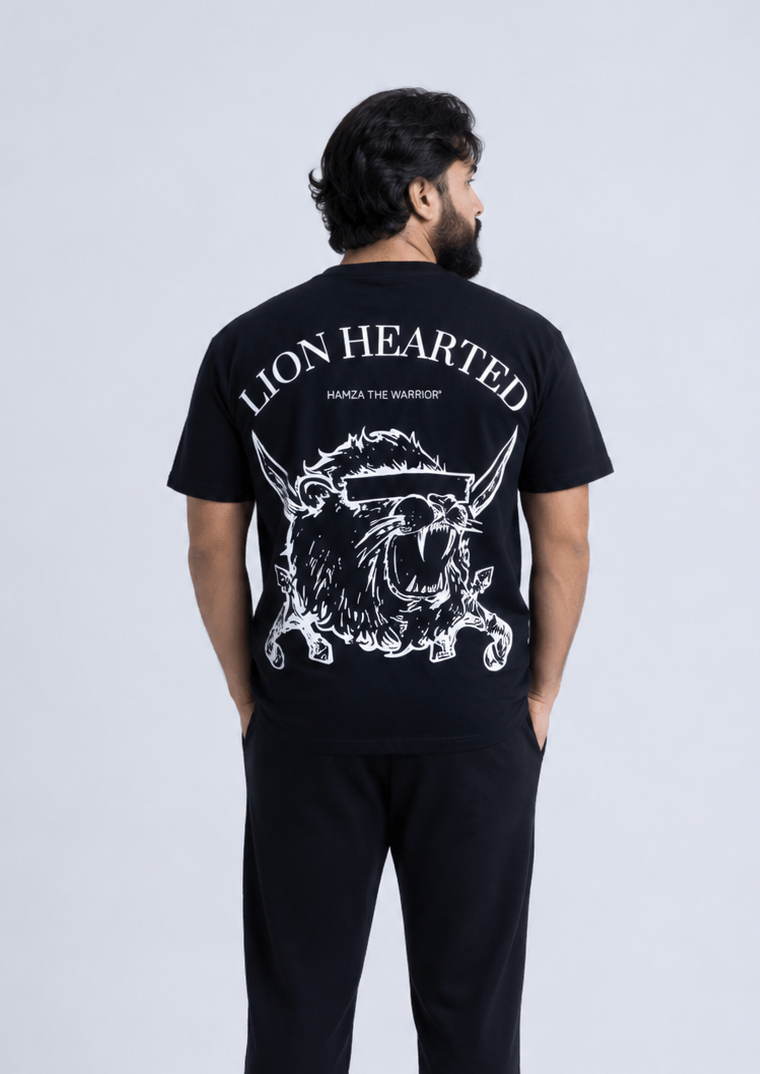
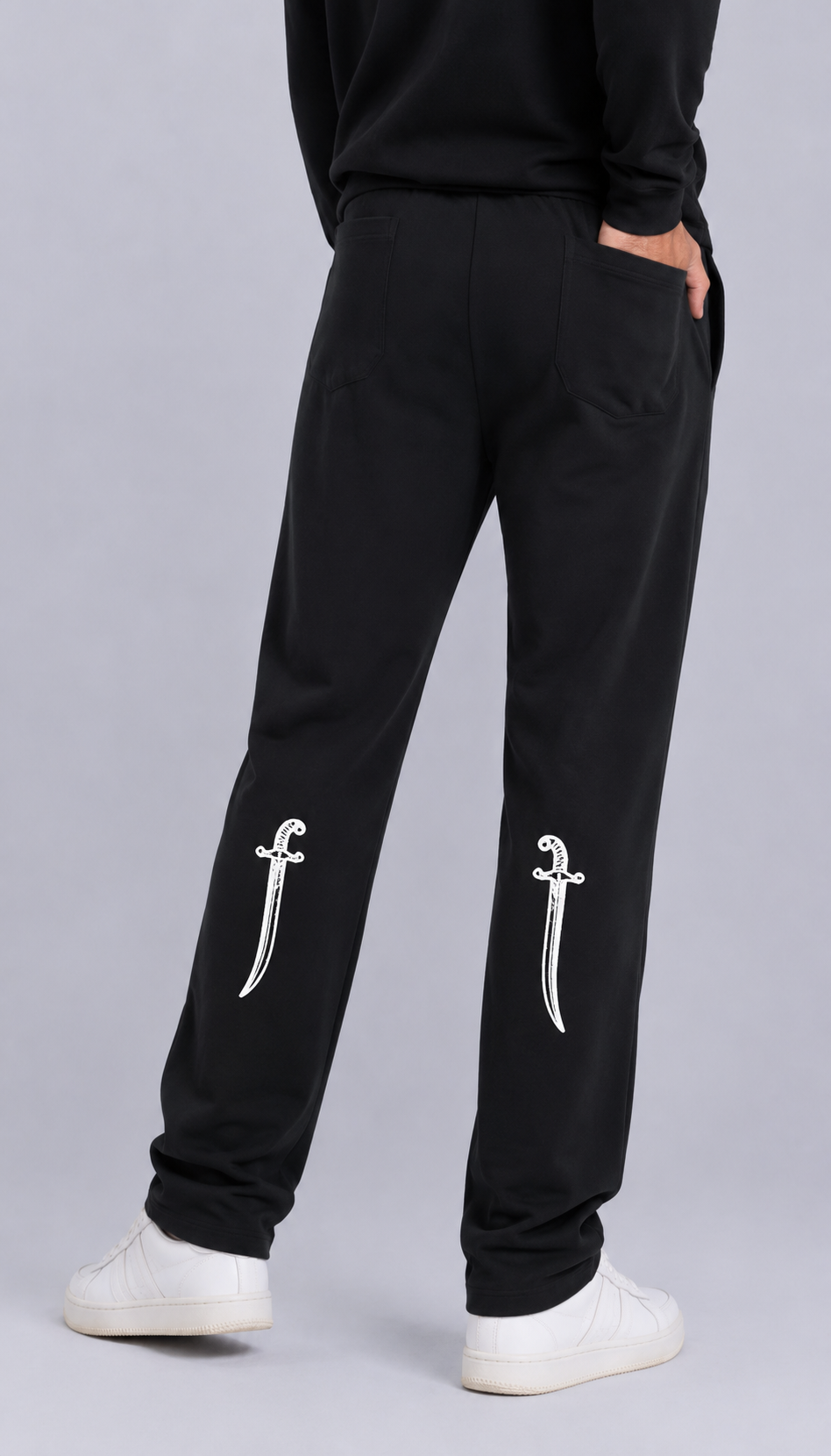
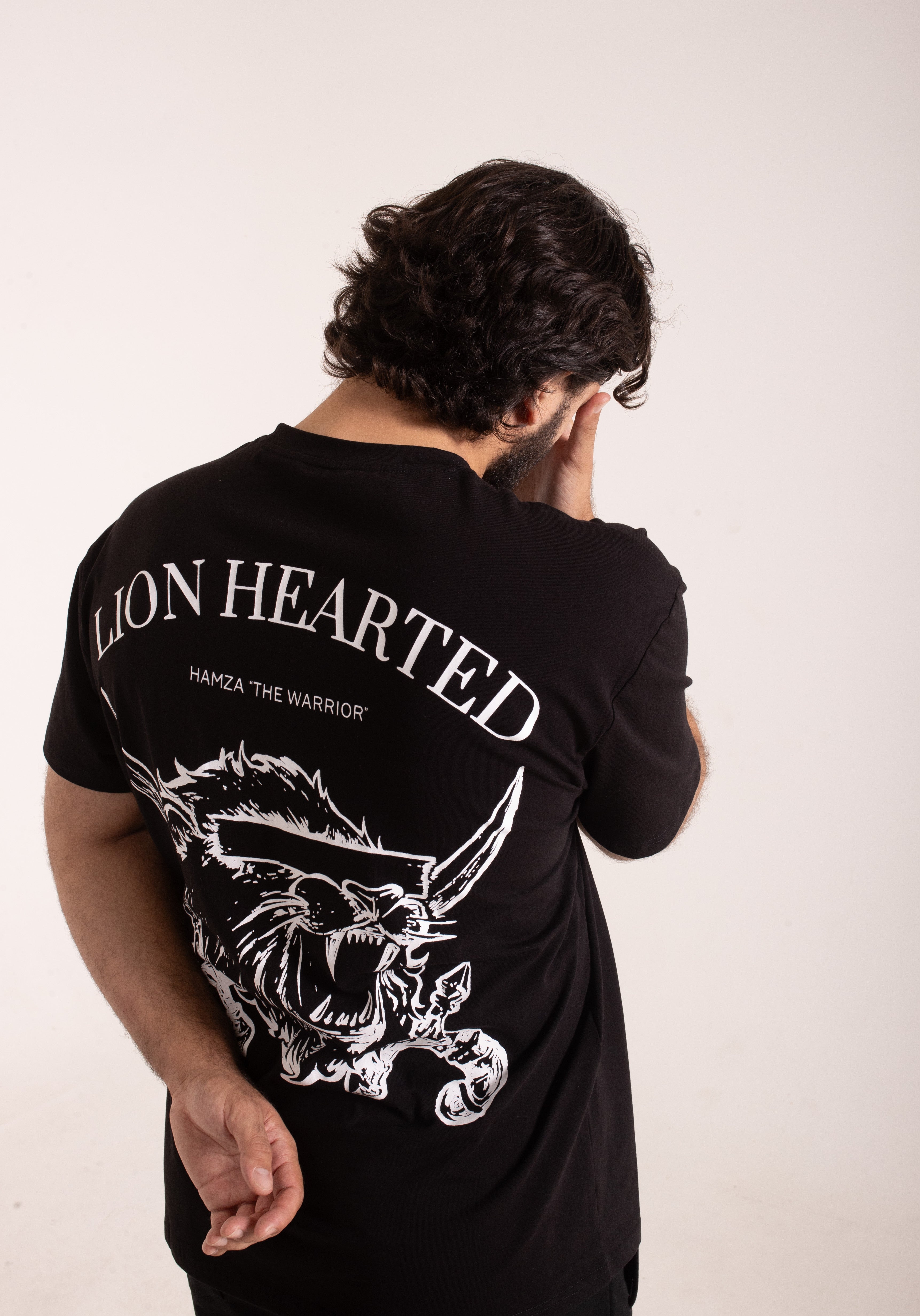
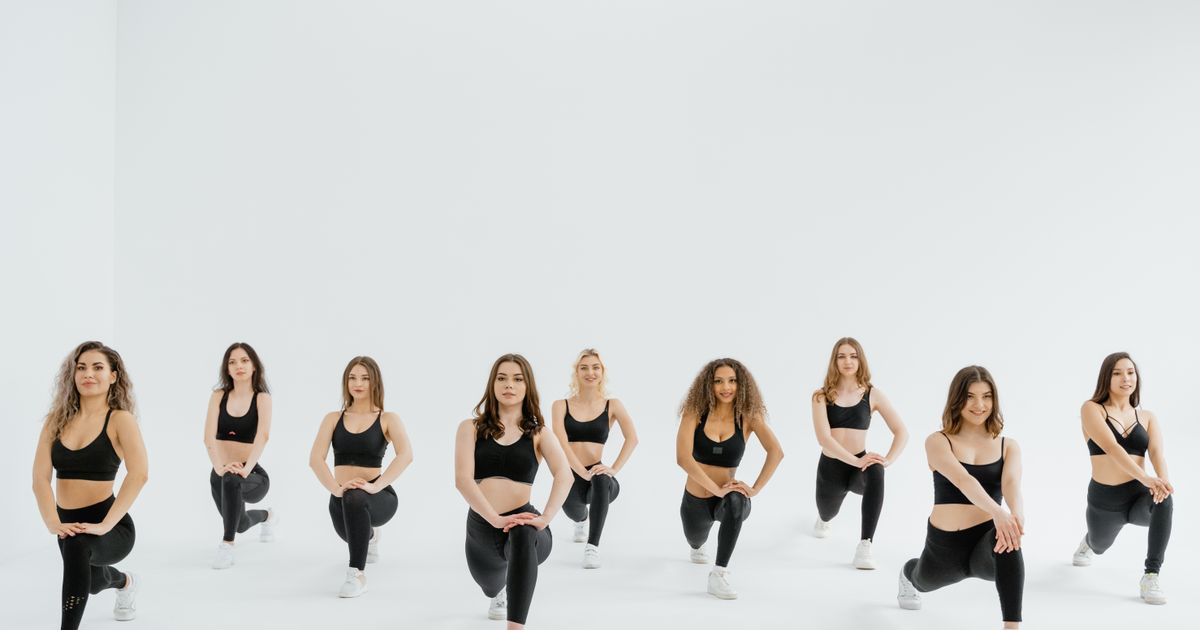

You're showing up to the gym, putting in the work, and eating right. So why aren't you seeing the results you expect? Here's what most people miss: your activewear matters more than you think. The wrong fit, fabric, or coverage choice can undermine your form, safety, and confidence. Let's break down the top 7 activewear mistakes that ruin your workout performance and how to fix them starting today.
In this article
- Mistake #1: Wearing Clothes That Don't Fit Your Body
- Mistake #2: Ignoring Fabric Type and Activity-Specific Apparel
- Mistake #3: Wearing Jewelry and Accessories That Risk Injury
- Mistake #4: Skipping Proper Warm-Up and Cool-Down Routines
- Mistake #5: Neglecting Core, Hip, and Rotator Cuff Strength
- Mistake #6: Overtraining Without Rest Days and Recovery
- Mistake #7: Making Poor Nutrition Choices Before and After Workouts
- Build Your Activewear Foundation Now
- Common Questions About Activewear and Workout Performance
Mistake #1: Wearing Clothes That Don't Fit Your Body
This is the biggest culprit. Baggy activewear hides your body and prevents trainers from spotting form issues before they lead to injury. Tight clothes? They restrict movement and distract you mid-set. The sweet spot is a fit that moves with you without excess fabric bunching or stretching.
Related: Sport Clothes vs Activewear 2026: Key Differences & Top Picks
Related: Best Gym Shorts 2026: Top 5 Ranked for Modest Activewear
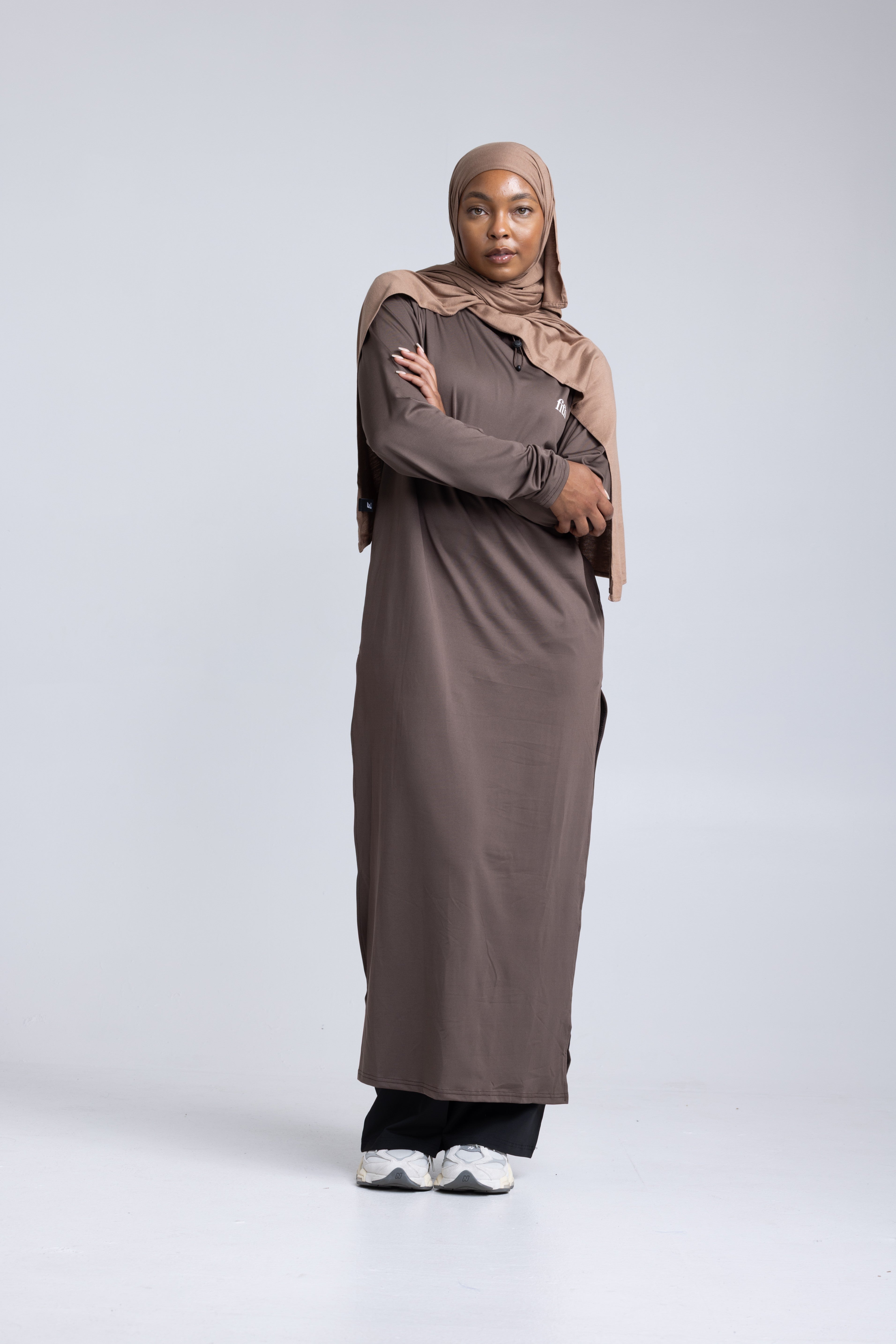
What you need: activewear that skims your frame without clinging, with enough room for a full range of motion. If you're covering more skin for modesty or personal preference, proper fit becomes even more critical. FITH designs coverage-focused activewear with tailored cuts so you get support and visibility of your form in one piece.
Check the fit test: Can you perform a full squat, lunge, and overhead press without the fabric pulling or riding up? If yes, you've found your size.
Mistake #2: Ignoring Fabric Type and Activity-Specific Apparel
Cotton feels great until you're five minutes into a workout. It absorbs sweat, holds moisture against your skin, and leaves you cold and uncomfortable. Worse, it doesn't wick moisture away, which can chafe and reduce performance.
You need fabrics engineered for sweat. Look for nylon, polyester blends, or specialized moisture-wicking materials that pull sweat away from your body and dry quickly. Match your fabric to your activity too: high-impact cardio needs more support and bounce-back; yoga and stretching benefit from natural breathability and flexibility.
Real talk: the right fabric keeps you comfortable, focused, and confident. That focus directly translates to better form, longer workout sessions, and fewer distractions.
Mistake #3: Wearing Jewelry and Accessories That Risk Injury
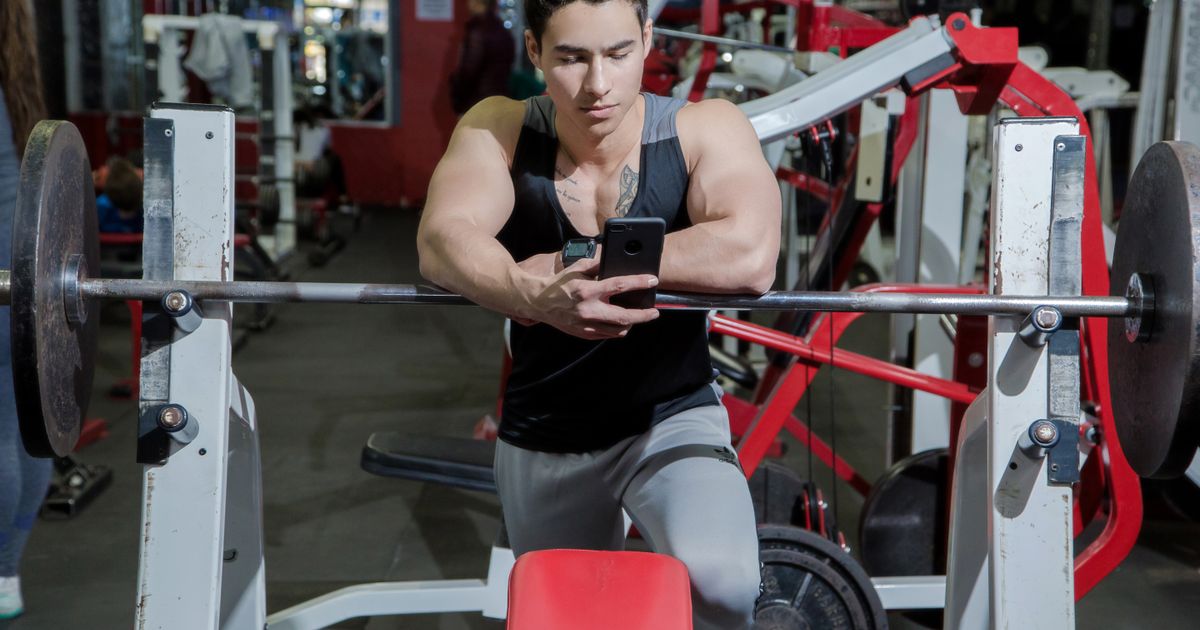
That ring on your hand, the necklace around your neck, the loose watch on your wrist? They're all hazards waiting to happen. Jewelry catches on cables, machines, and weights. Necklaces can get caught during compound movements. Loose watches slide or slip and cause wrist strain.
The solution is simple: remove jewelry before your workout. If you wear a watch, secure it tightly or choose a fitness band designed to stay in place during intense movement. Keep your hands and neck clear of anything that could snag.
Mistake #4: Skipping Proper Warm-Up and Cool-Down Routines

You jump straight into heavy weights or high-intensity cardio, and your muscles aren't prepared. This is where injuries start. A proper warm-up increases blood flow to your muscles, prepares your nervous system, and improves performance. A cool-down and stretch routine prevents soreness, aids recovery, and keeps your muscles supple.
Spend 5-10 minutes on a dynamic warm-up before your main workout and another 5-10 minutes stretching afterward. This isn't wasted time. It's injury prevention and recovery optimization that directly impacts how well you perform tomorrow.
Mistake #5: Neglecting Core, Hip, and Rotator Cuff Strength
Weak glutes, core muscles, hip stabilizers, and rotator cuff muscles force your body to compensate during movement. This leads to poor posture, injury risk, and reduced performance. You might be strong in one movement pattern but unstable in others.
Include accessory work 2-3 times per week: glute bridges, planks, lateral band walks, and shoulder stabilization exercises. This foundation prevents injury and unlocks better performance in your main lifts. Quality activewear that supports your full range of motion makes these movements easier to perform with confidence.
Mistake #6: Overtraining Without Rest Days and Recovery
More isn't always better. Training hard every day without rest breaks your body down instead of building it up. Recovery is where growth happens. Your muscles repair and strengthen during rest, not during the workout itself.
Plan at least one full rest day per week, and rotate between different muscle groups or activity types. On active recovery days, light stretching, yoga, or walking is enough. This rhythm keeps you fresh, prevents burnout, and sustains your long-term progress.
Mistake #7: Making Poor Nutrition Choices Before and After Workouts
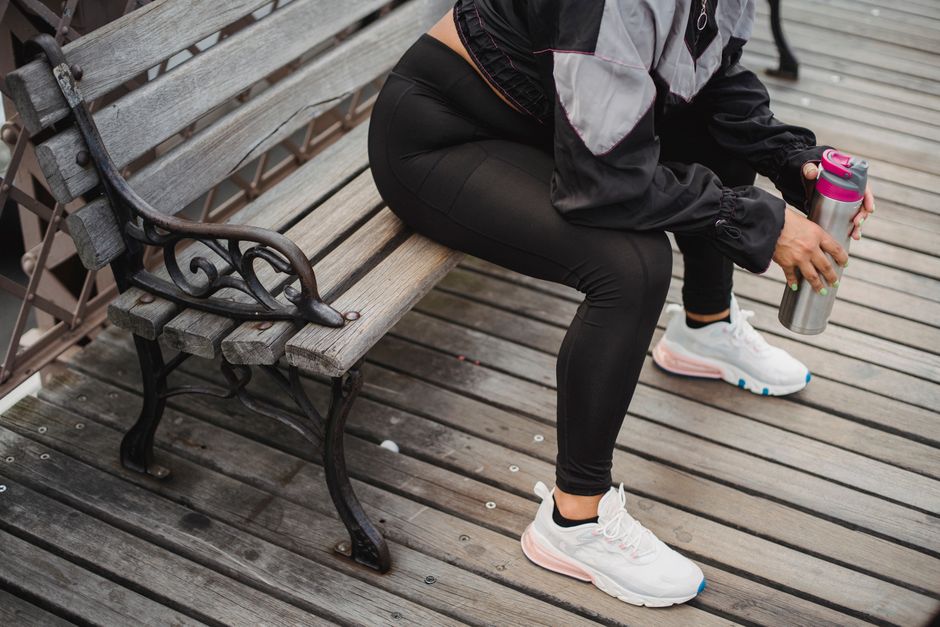
You're fueling poorly. Pre-workout sugary drinks, baked goods, and high-calorie coffee drinks spike your blood sugar and crash mid-session, leaving you fatigued. Post-workout, skipping protein or eating empty carbs wastes your workout effort.
Eat balanced meals 2-3 hours before exercise, and have a light snack (fruit, nut butter, or a protein bar) 30-45 minutes before if needed. After your workout, prioritize protein and carbs within 30-60 minutes to aid recovery and muscle building. This fueling strategy keeps your energy steady and maximizes your workout results.
Build Your Activewear Foundation Now
These seven mistakes are fixable, and the fastest wins come from your activewear choice. When you wear clothes that fit right, use the right fabric for your activity, and stay safe (no loose jewelry), everything else improves. You'll move better, your trainer can spot your form, and you'll feel confident and supported.
Related: FORM Activewear Sizing Guide: Leggings & Tanks That Fit Right
If you're looking for modest activewear designed for performance and coverage, start with pieces that prioritize fit, sweat-wicking fabric, and freedom of movement. The Women's Nonslip Workout Hijab is engineered to stay secure during any movement without slipping or distracting, so you can focus entirely on your workout. Every piece is built for people who refuse to compromise on modesty or performance.
Related: Activewear Examples: 15 Modest Styles for Every Workout
Start with one fix this week. Better fit. Better fabric. Better form. Your next workout will feel the difference immediately.
Common Questions About Activewear and Workout Performance
How do I know if my activewear fit is actually correct?
Your activewear should allow full range of motion without bunching, riding up, or pulling. Do a squat, lunge, overhead press, and side stretch. If nothing catches, rides up, or restricts movement, the fit is good. If your clothes are so loose that a trainer can't see your body alignment, they're too big. If they're so tight you feel restricted, they're too small.
Does activewear fabric really matter that much for performance?
Yes. Research shows that moisture-wicking fabrics improve comfort, temperature regulation, and perceived exertion during exercise. When you're not distracted by sweat, chafing, or discomfort, you can focus on form and intensity. Better focus equals better results.
Can wearing the wrong activewear actually cause injury?
Absolutely. Loose fabric can catch on machines. Tight clothes restrict movement and force compensation patterns. Poor fabric leads to chafing and distraction. Jewelry catches and causes acute injury. Bad fit prevents trainers from spotting form breakdowns. Every one of these compounds injury risk. Proper activewear is part of your injury prevention strategy.
What's the difference between activewear for different workout types?
High-impact activities (running, plyometrics, HIIT) need more support and compression to reduce movement and joint stress. Strength training benefits from freedom of movement and good visibility of your body alignment. Yoga and flexibility work need breathable, stretchy fabrics that move with you. Match your gear to your main activity, and you'll perform better and feel more comfortable.