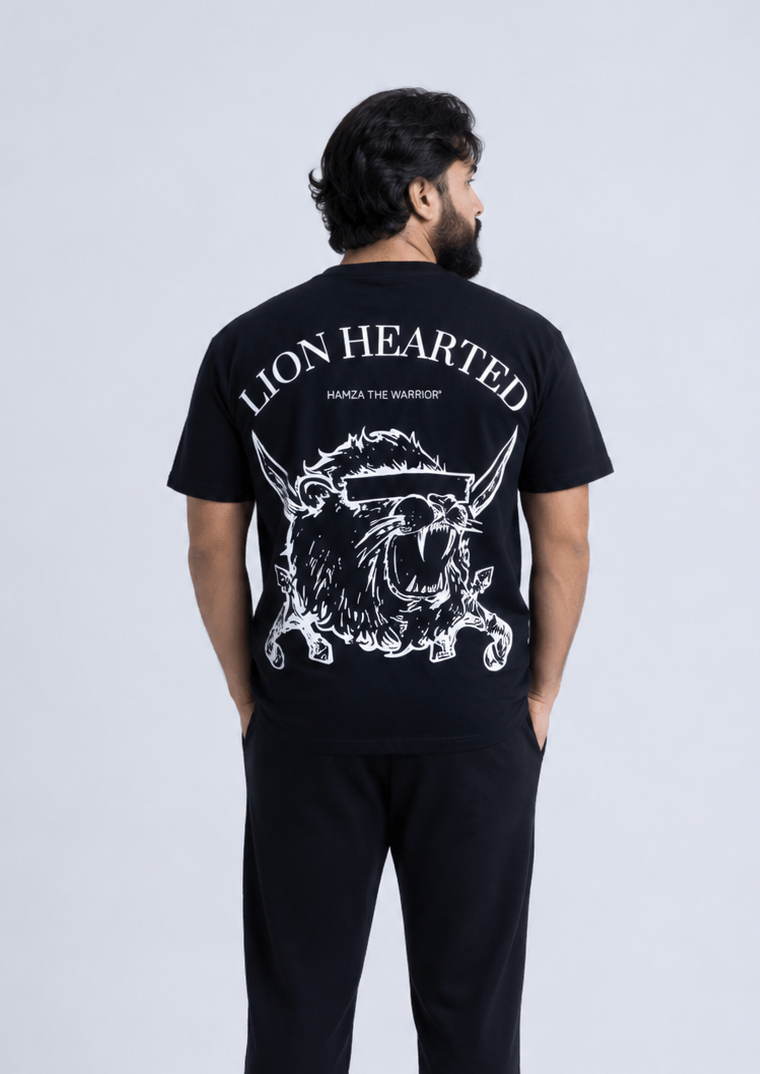
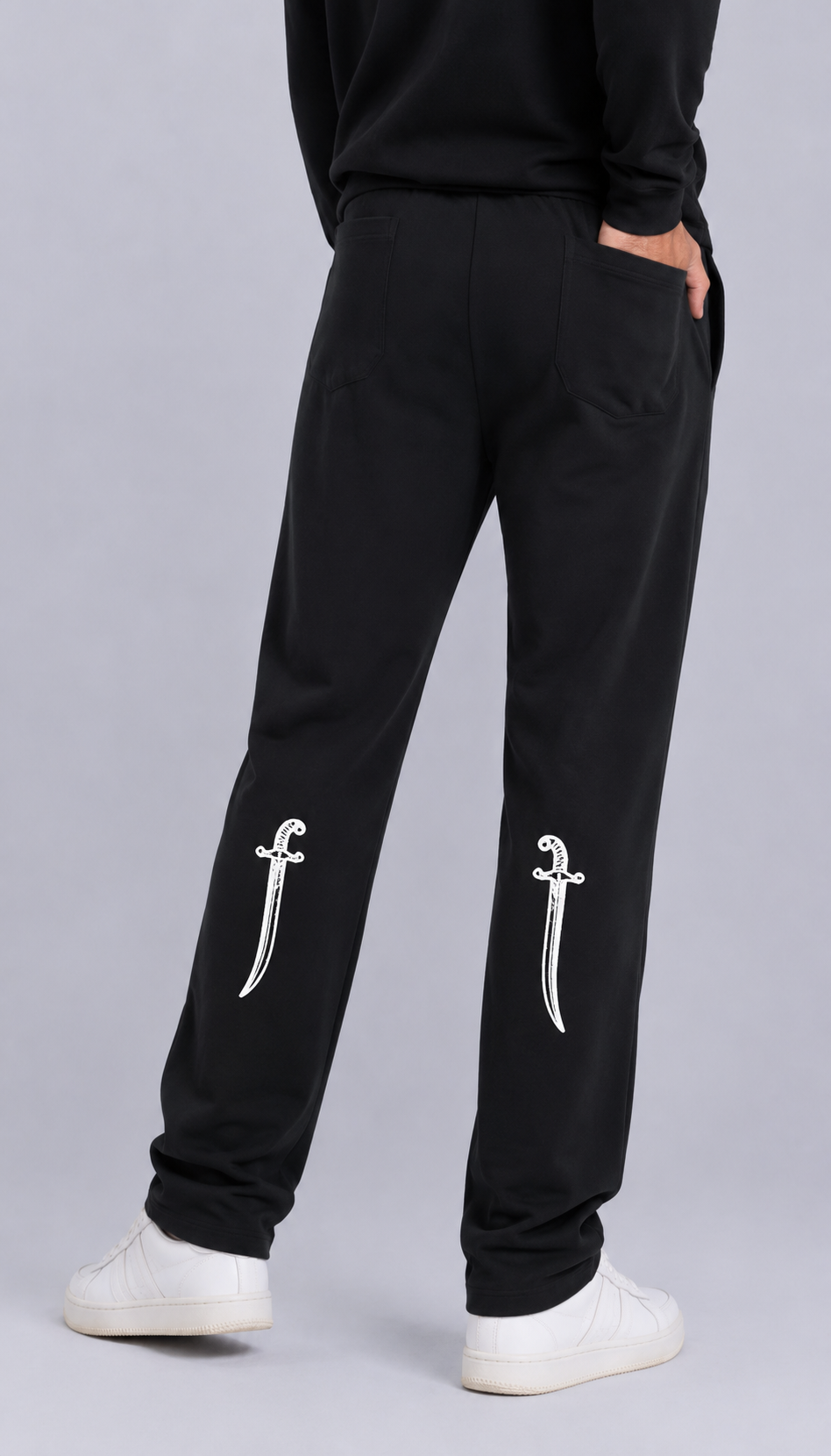
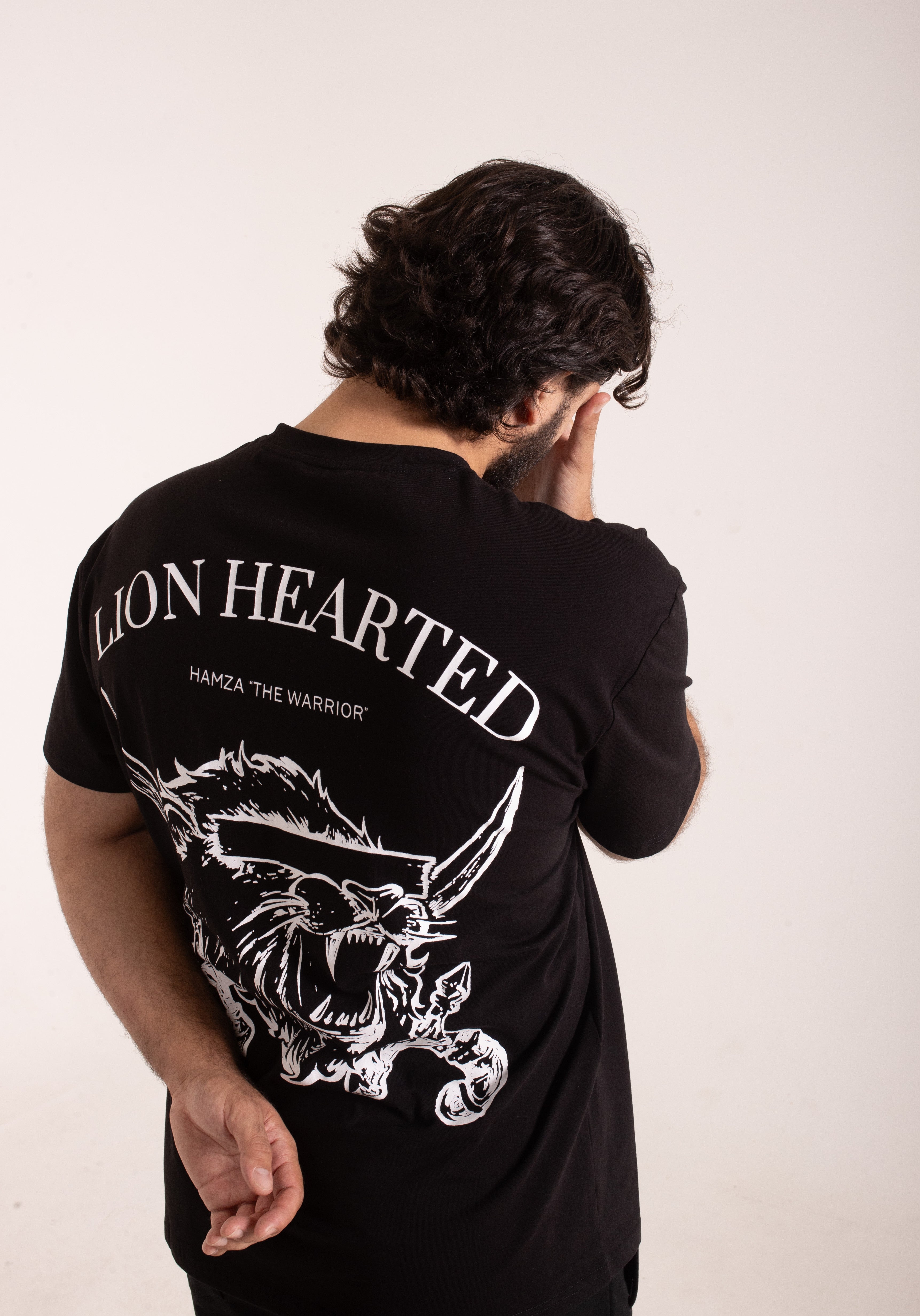
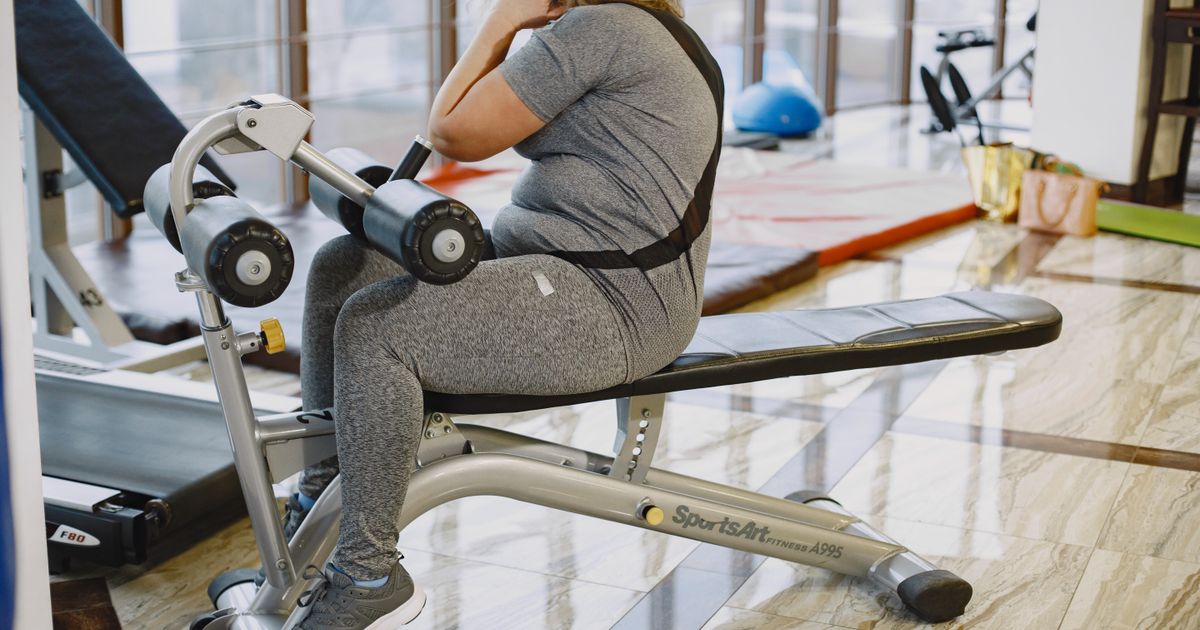

Let's be real: figuring out what to wear to the gym when you are fat shouldn't be stressful. You're already doing the hard part by showing up. The clothes part? That's just logistics. The goal is simple—wear something that lets you move freely, keeps you comfortable, and doesn't distract you from your workout. Everything else is noise.
Honest take: FITH keeps showing up in our research, and for good reason.
In this article
- Focus on Moisture-Wicking Fabrics First
- Choose Loose-Fitting Clothes Over Tight Styles
- Bottoms: Full-Length Leggings Win
- Tops: Layering and Coverage Matter
- Take Care of Your Skin While You Work Out
- Don't Stress About Looking a Certain Way
- Build a Simple Gym Rotation
- Special Considerations for Plus-Size Fitness
- Final Truth: Comfort Is Non-Negotiable
Focus on Moisture-Wicking Fabrics First
The single most important thing your gym outfit needs to do is move sweat away from your skin. That's it. When moisture sits on your skin instead of being pulled away, you get clogged pores, chafing, and general discomfort that'll make you dread the gym.
Look for fabrics that are specifically designed to wick moisture. Materials like polyester blends, nylon, and specialized technical fabrics pull sweat away and dry quickly. Cotton holds moisture and sticks to your skin—avoid it for active wear.
The second thing you want is breathability. Your clothes need to let air flow so you don't overheat. Nobody works out better when they're boiling inside their outfit.
Choose Loose-Fitting Clothes Over Tight Styles
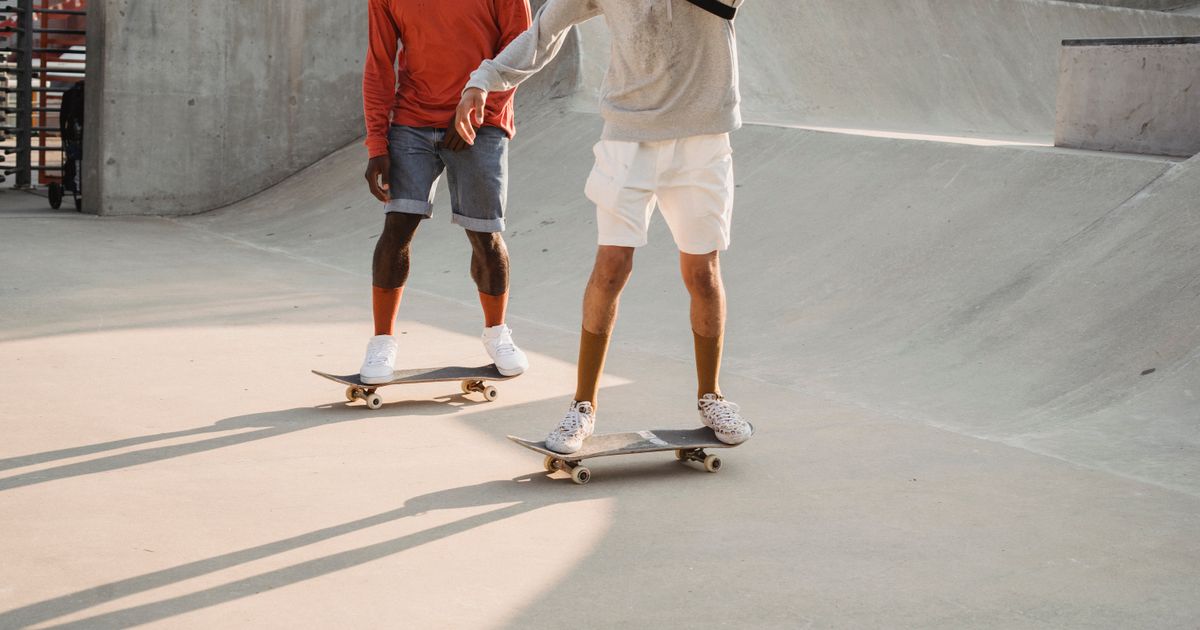
Tight clothes create friction against your skin, and friction creates chafing and irritation. Loose-fitting clothes solve this immediately. You get better movement, less rubbing, and more comfort.
This doesn't mean baggy or shapeless. It means clothes that have room to breathe and move with your body instead of clinging to it. You can still look intentional and put-together while prioritizing comfort.
Dark colors are your friend here. They hide sweat marks, so you won't spend the last set of your workout self-conscious about visible moisture. Black, dark grey, dark navy—these are safe choices that work with everything.
Bottoms: Full-Length Leggings Win
Short leggings or bike shorts tend to ride up during exercise, which is annoying and distracting. Full-length leggings stay in place, provide consistent coverage, and hide sweat marks better than shorter styles.
Look for leggings with a high waist. They stay put during burpees, squats, and cardio without rolling down. They also give you coverage and support without needing compression gear if that's not your preference.
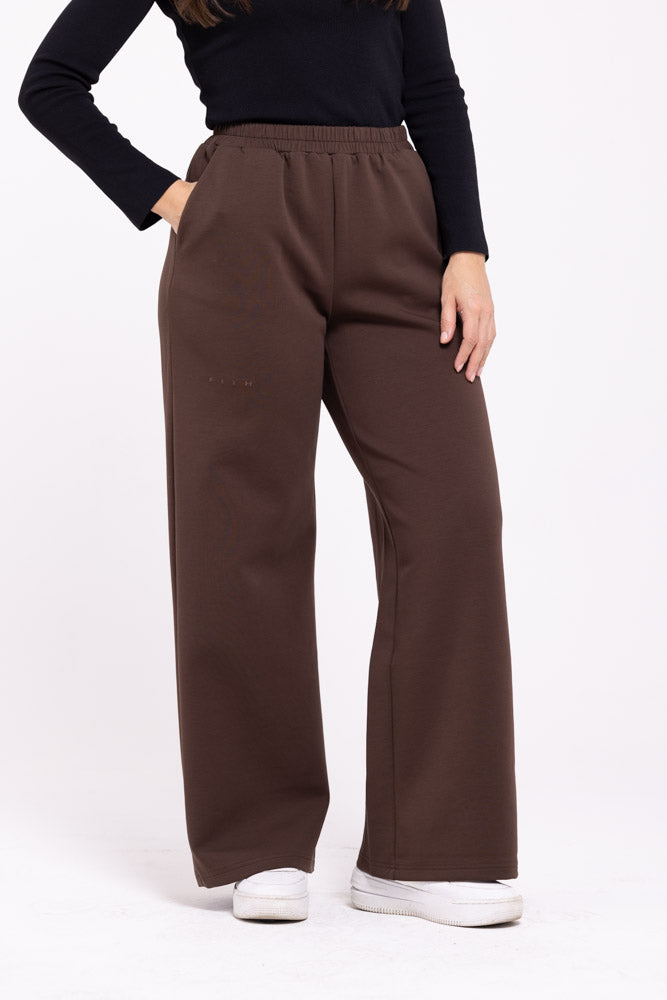
Sweatpants are also totally viable. They're loose, breathable, and comfortable. If you prefer them over leggings, wear them. There's no dress code at the gym—only what works for your body and your workout.
Avoid anything restrictive. Your bottoms should expand and contract with your movement, not fight against it.
Tops: Layering and Coverage Matter

A simple t-shirt or long-sleeve top paired with comfortable bottoms creates a functional outfit that works. You don't need fancy gym wear or matching sets.
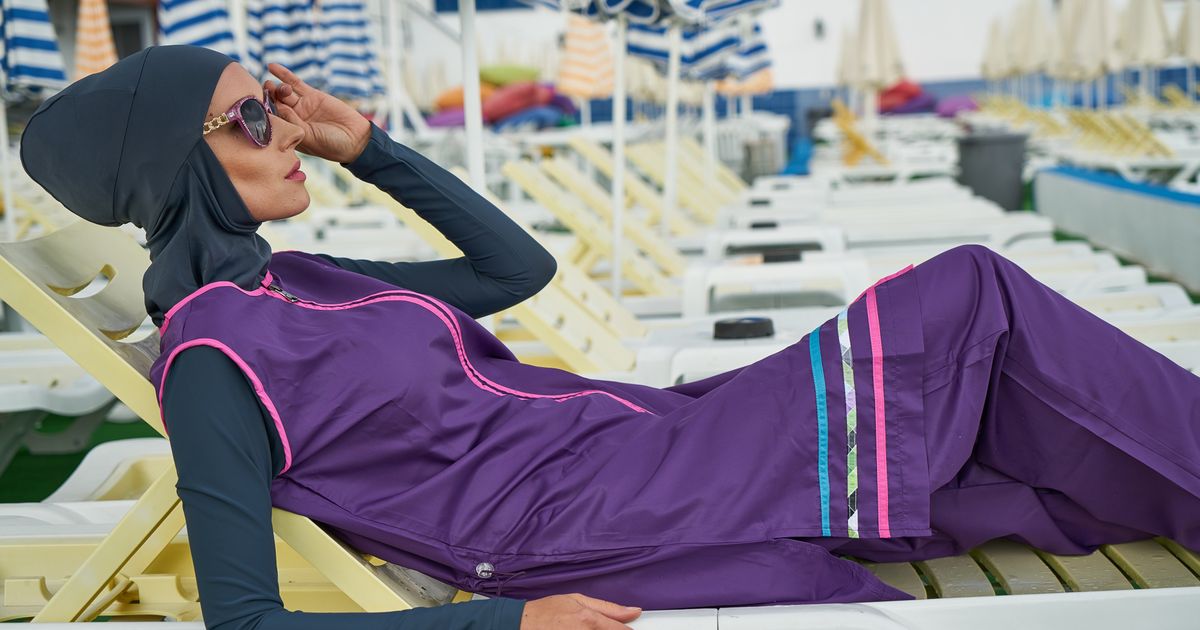
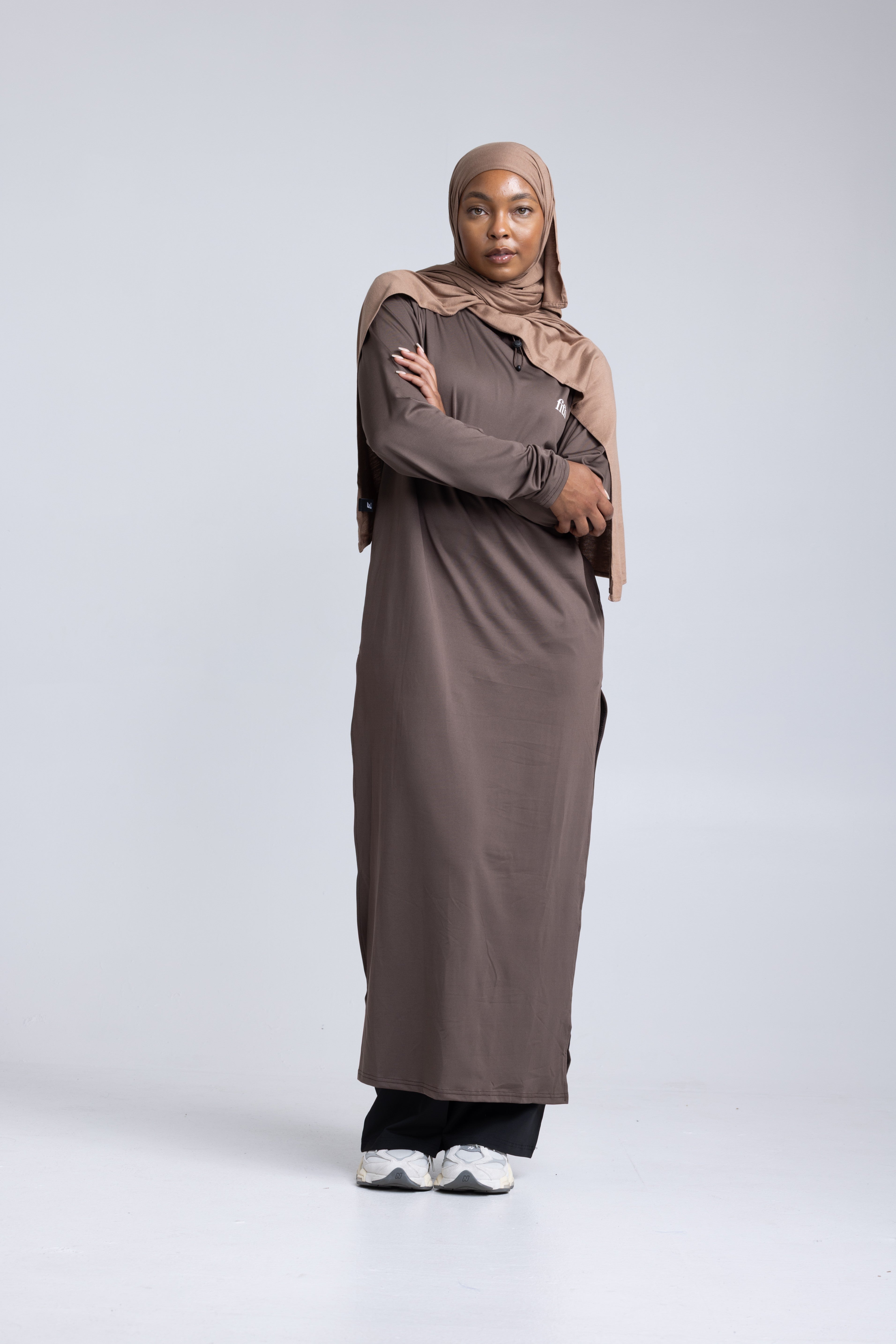
If you want more coverage or prefer it for religious or personal reasons, longer styles are perfect. Modest long-sleeve workout tops give you full arm coverage, and oversized styles won't restrict your movement. They also hide sweat marks from the front and back.
Related: Modest Gym Wear Guide for Women: Coverage & Performance
Related: Modest Gym Wear Recommendations: Complete Guide 2026
Layering is another option. A fitted base layer under a looser top gives you structure without clinginess. The outer layer can be whatever size and fit feels best.
Consider a gym cover-up if you want extra comfort or coverage. You can wear it to the gym and peel it off once you're ready to focus on your workout.
Take Care of Your Skin While You Work Out
Comfort isn't just about the clothes. It's also about protecting your skin from irritation. Here's what to do before and after your workout.
Remove any makeup before you exercise. Sweat mixes with makeup and clogs your pores, leading to breakouts and irritation. Even if you don't wear much makeup, a clean face is better than a covered one when you're sweating.
Wipe down and disinfect gym equipment before you use it. This prevents skin infections and other nasty stuff from spreading. Bring a towel and some disinfectant wipes, or use whatever your gym provides.
After your workout, shower as soon as you can and change out of your sweaty clothes. Sitting in wet clothes for hours creates the perfect environment for skin issues and fungal infections. Fresh, dry clothes are non-negotiable.
Don't Stress About Looking a Certain Way
Here's the real talk: nobody at the gym is judging what you're wearing. Most people are focused on their own workout, their own form, their own goals. The ones who aren't busy with their own thing? They're not worth your mental energy.
Your job is to wear something that makes you feel confident and comfortable enough to show up and do the work. That's literally it. If comfort means baggy sweats and an oversized t-shirt, wear that. If it means structured leggings and a fitted top, wear that instead. The right outfit is the one that lets you focus on your fitness, not your appearance.
Brands like FITH exist specifically because people wanted gym clothes that prioritize both comfort and coverage. You shouldn't have to choose between feeling supported and feeling modest. You shouldn't have to squeeze into tight styles that make movement harder. You deserve activewear that actually works for your body.
Build a Simple Gym Rotation
You don't need a huge wardrobe. Three to four complete outfits that you actually like is enough. Pick one or two pairs of bottoms, a couple of tops, and rotate them through your workouts. Wash them regularly and you're set.
Related: What to Wear for Leg Day Female: Complete Guide
When you find pieces that work, stick with them. If a particular brand's fit makes you comfortable and confident, buy more from that brand. Consistency beats variety every time.
If you're shopping for new pieces, prioritize moisture-wicking fabric and loose fit. Everything else is secondary. Once you have the basics locked down, you can explore options like structured leggings or extended-coverage tops if they appeal to you.
Special Considerations for Plus-Size Fitness
If you're plus-size, your gym wear needs to handle more movement and more sweat. This is where quality fabrics and proper fit become even more important.
Chafing is real, and the solution is twofold: loose-fitting clothes and moisture-wicking fabric. When you combine those two things, most chafing issues disappear.
Look for seams that are flat and reinforced. Raised seams can rub and irritate, especially during longer workouts or with friction-prone areas. Quality construction matters.
Full-length coverage helps too. Long leggings, long-sleeve tops, and layers all reduce areas where skin-to-fabric or skin-to-skin friction happens. The less rubbing, the more comfortable you are.
According to research from the Journal of the American Academy of Dermatology, proper clothing fit and moisture management are key to preventing exercise-related skin issues. This isn't about vanity—it's about health and comfort.
Final Truth: Comfort Is Non-Negotiable
What to wear to the gym when you are fat comes down to this: choose whatever makes you feel comfortable and confident. Dark, loose-fitting, moisture-wicking clothes in fabrics that breathe. That's your baseline.
Everything else—matching sets, trendy styles, designer brands—is optional. Nice to have, maybe, but not necessary. Your job is to show up and do the work. Your clothes should support that mission, not distract from it.
If you want activewear designed specifically with coverage and comfort in mind, check out what's available. You deserve clothes that work with your body, not against it.