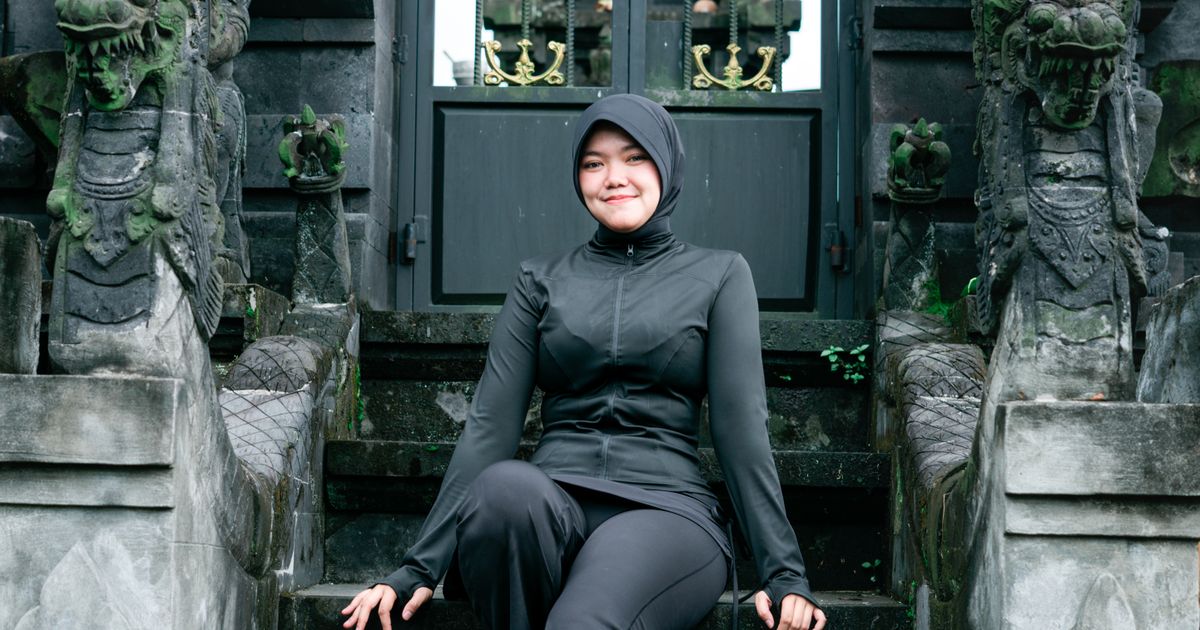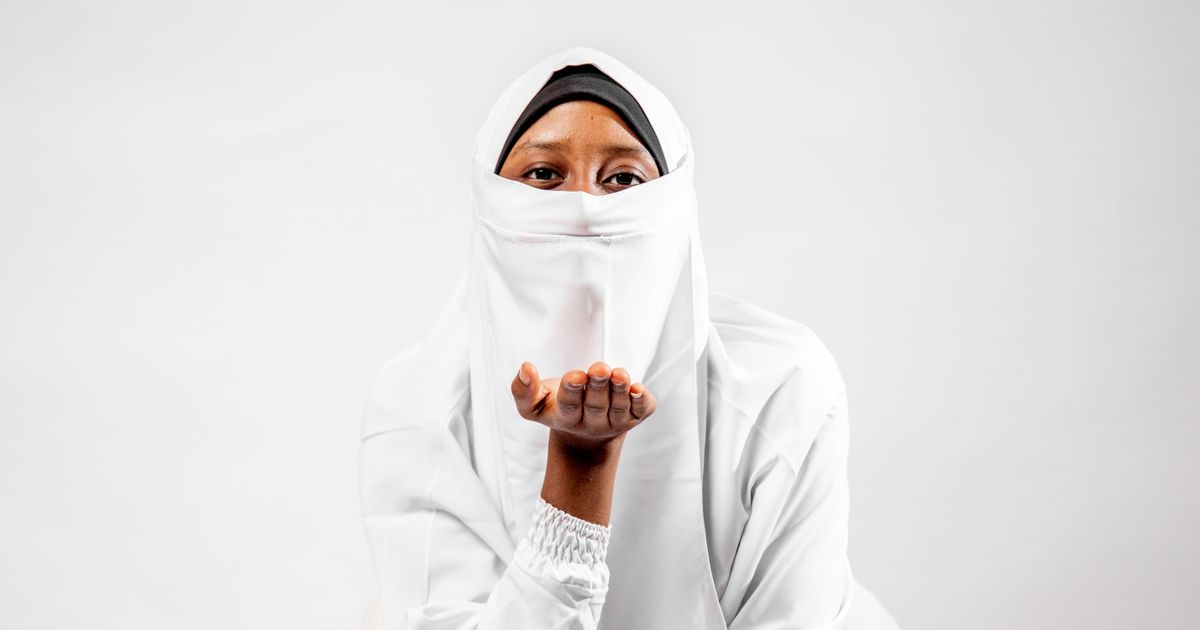
Looking for comfortable gym wear that covers your arms and legs? You're in the right place. Full-coverage activewear is no longer a compromise between modesty and function—it's becoming the smart choice for anyone who wants to focus on their workout instead of adjusting their clothes.
In this article
- Why Full-Coverage Gym Wear Actually Works Better
- Choosing the Right Tops for Arm Coverage
- Finding the Perfect Full-Length Bottoms
- The Layering Strategy for Versatility
- Fabric Quality Makes All the Difference
- Budget vs. Premium: Where to Spend Your Money
- Fit Tips That Actually Make a Difference
- How to Care for Your Full-Coverage Gear
- People Also Ask
Why Full-Coverage Gym Wear Actually Works Better
Here's the honest truth: covering your arms and legs doesn't slow you down. In fact, quality full-coverage pieces often perform better than tight, minimal designs.
Related: The Ultimate Modest Workout Wear Guide for 2026
Related: Best Modest Gym Wear for Ladies 2026: Top 5 Ranked
Related: Best Islamic Gym Wear for Ladies 2026: Top 5 Ranked
When you wear fitted long sleeves and full-length leggings, you get natural compression that supports your muscles during exercise. Your body stays at a stable temperature, sweat wicks properly, and you move without restriction. Plus, you're not distracted by worrying about coverage while you're trying to focus on your form.
The fabric matters most. Look for breathable, stretchy materials like moisture-wicking blends that move with you. FITH specializes in exactly this—activewear built for full coverage without the bulk.
Choosing the Right Tops for Arm Coverage
Your gym top is the foundation of any full-coverage outfit. You need something that fits snugly around your chest and arms without restricting your movement.
Long sleeve options: A fitted long-sleeve workout top gives you arm coverage while staying breathable. Look for pieces with thumb holes or cuffs that keep the fabric in place during movement. The MODAL 2.0 - Modest Long Sleeve Top is designed exactly for this—it's form-fitting through the arms but loose enough to let you move freely.
Related: Best Modest Gym Wear Brands Reddit Users Swear By
Layering approach: If you like flexibility, pair a short-sleeve tee with Active Compression Arm-Sleeves. This lets you adjust coverage based on temperature and your workout intensity. Arm sleeves compress your muscles for better blood flow and reduce fatigue, especially during intense cardio or weightlifting.
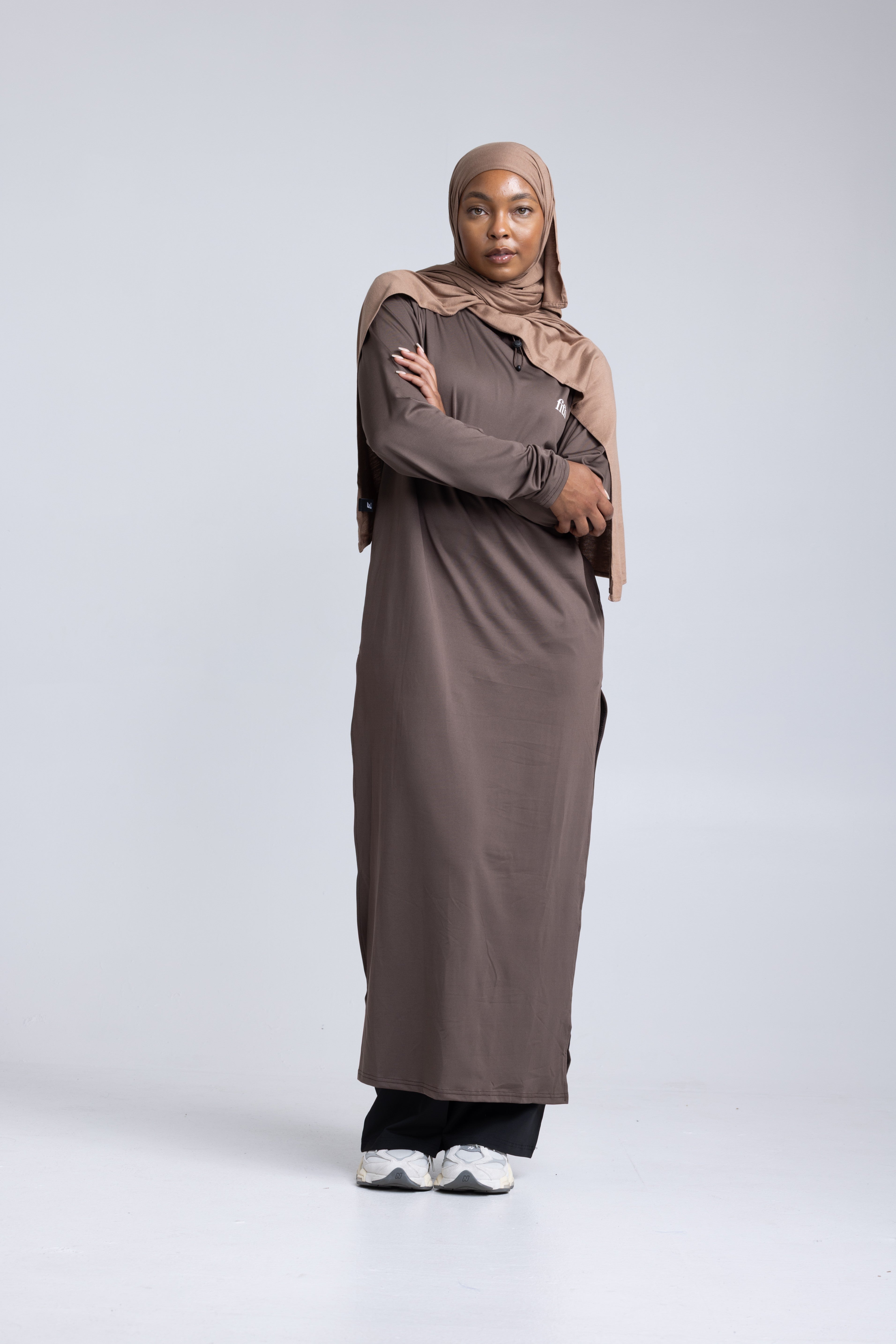
Oversized comfort: Sometimes you just want to feel relaxed. The PWR Oversized Active Tee gives you that loose, comfortable vibe while still covering your arms completely. It's perfect for gym sessions where comfort wins over fitted precision.
Finding the Perfect Full-Length Bottoms
Your bottoms need to stay in place, move with you, and actually feel good to wear for 60+ minutes.
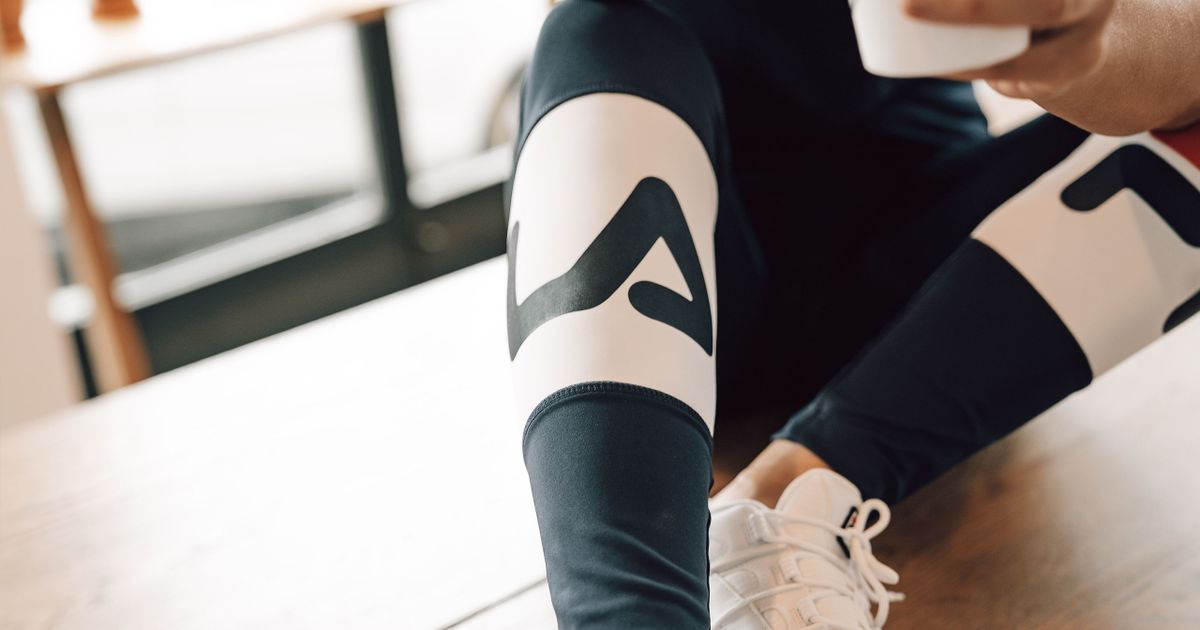
High-waisted leggings: Full-length workout leggings with a high waist keep everything secure without digging in. The Flex - Workout Leggings 2.0 features a supportive waistband and comes in extended lengths. High waist means no gaps when you bend or squat, and you stay covered from hip to ankle.
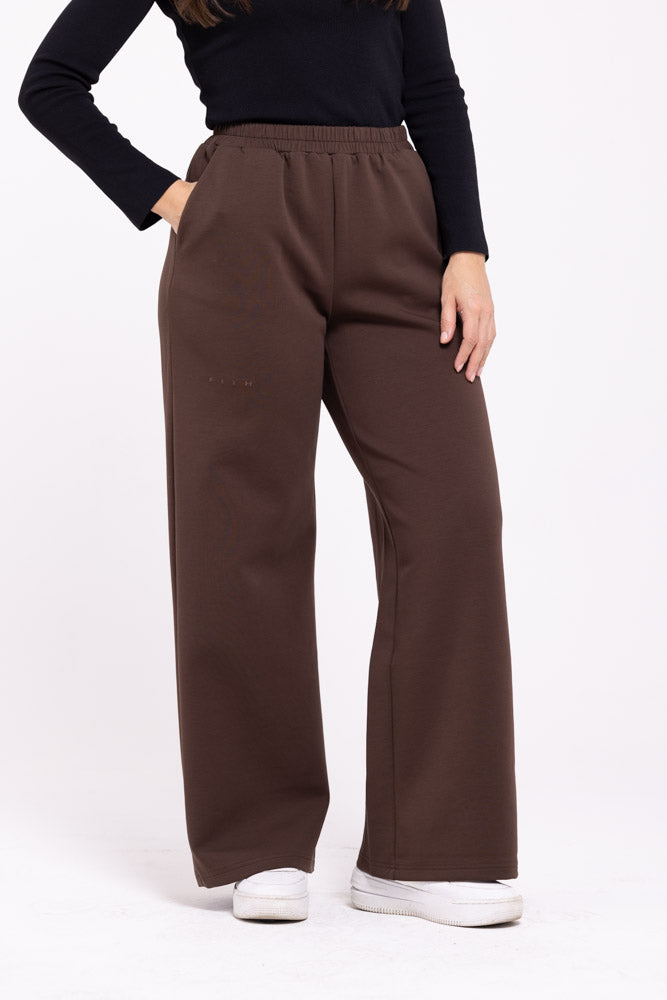
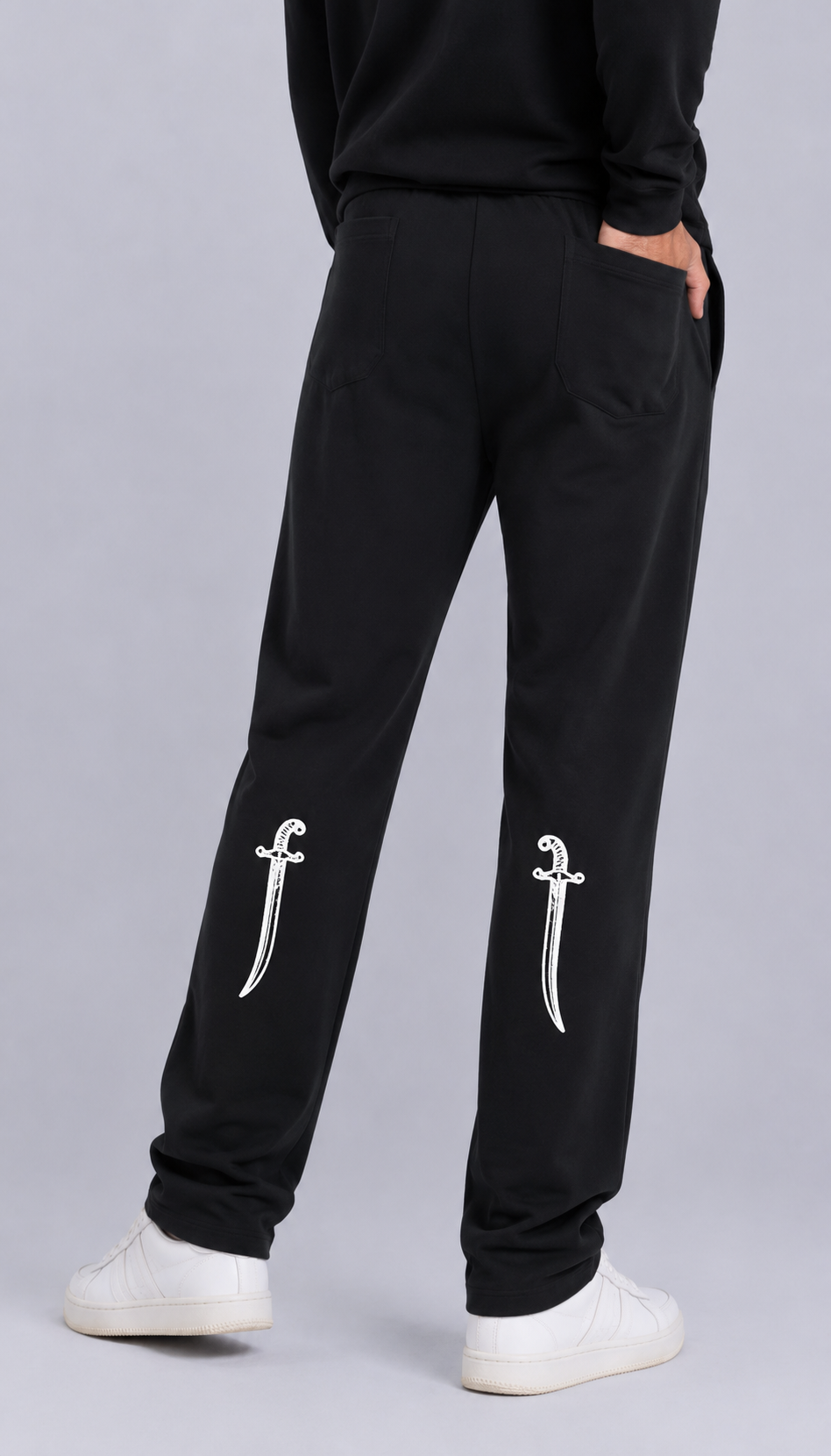
Joggers and sweatpants: For a looser fit that still covers completely, try Ease Lightweight Wide-Legged Pants. They're perfect for warm-up sessions, cool-down walks, or when you want maximum comfort. The wide leg doesn't get caught on equipment, and the fabric breathes so you won't overheat.
Extended-length options: If you're taller or prefer extra ankle coverage, look for brands that specifically offer extended sizing. The Flex - Workout Leggings 2.0 come designed for this—they're cut long so you get true ankle coverage, not just mid-calf.
The Layering Strategy for Versatility

One of the best-kept secrets of full-coverage gym wear? Layering pieces that take you from gym to errands without changing.
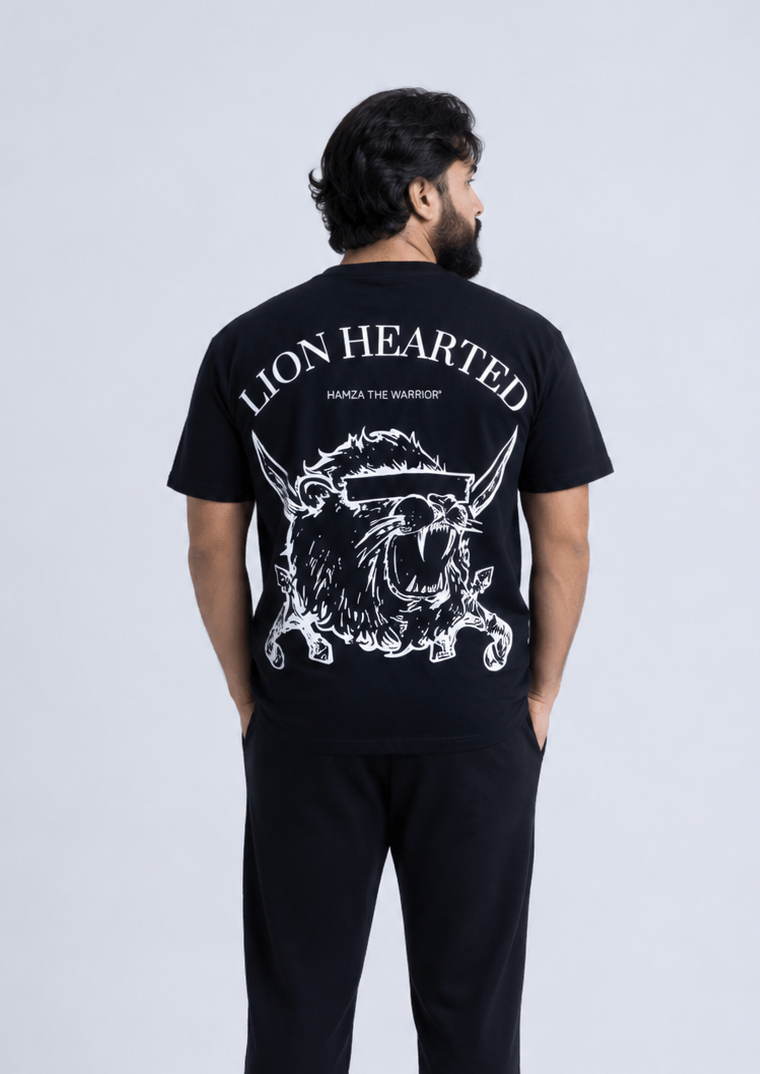
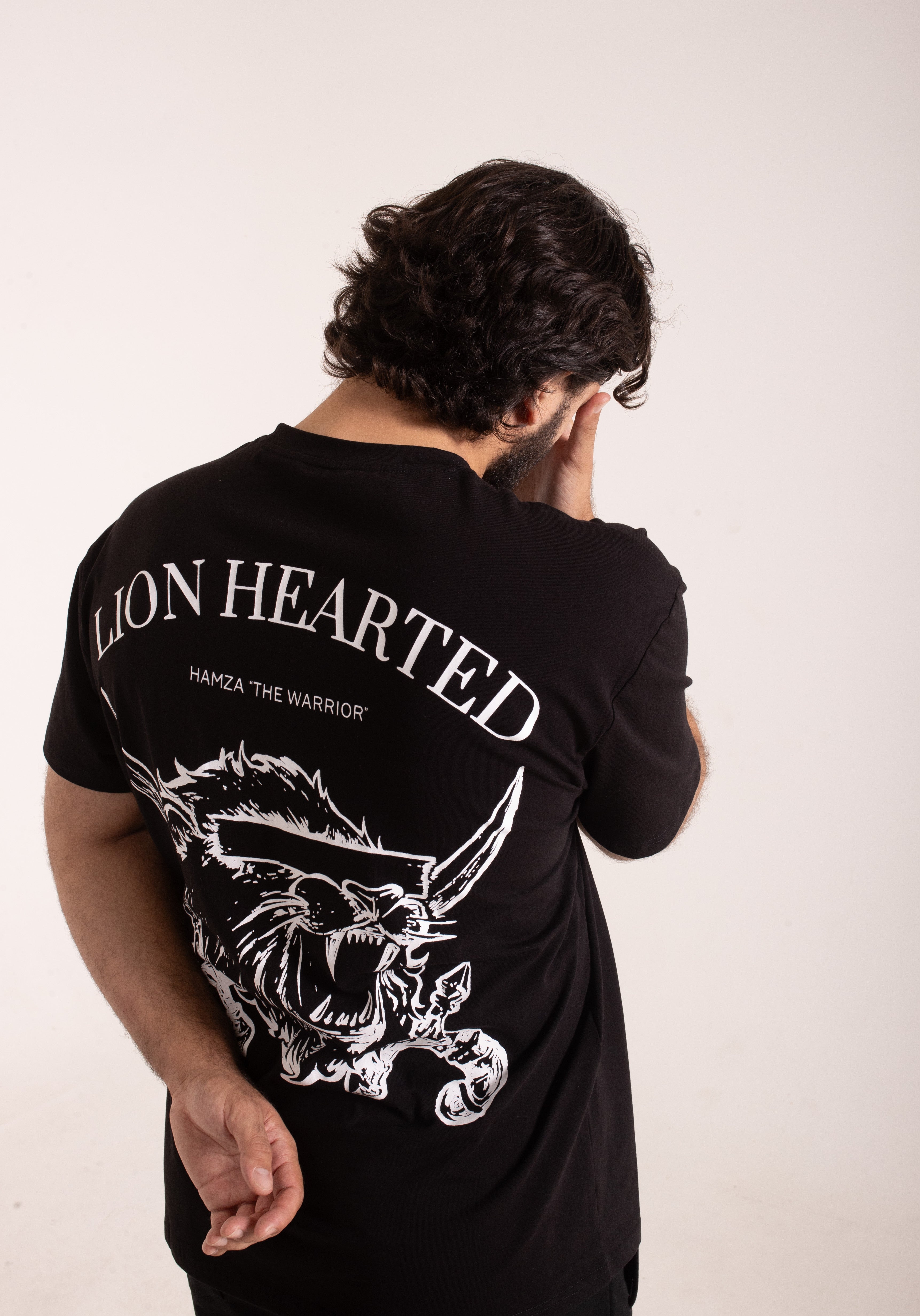
A lightweight cover-up like the Gym Workout Cover-Up throws over any outfit and instantly adds coverage. Longer pieces like the LION HEARTED - Workout Pump-Cover Up T-Shirt work as standalone tops or layered over fitted pieces for extra length and coverage.
Hooded options like the EASE - Oversized Hooded Long Sleeve Top add warmth and a polished look. You can wear them to the gym, keep them on during cool-down, and then head straight into your day.
Fabric Quality Makes All the Difference
Not all full-coverage gym wear is created equal. Cheap fabrics get baggy, lose elasticity, and actually restrict movement more than quality pieces.
Look for blended fabrics that combine natural fibers (like cotton) with performance synthetics (like spandex or nylon). These blends breathe, stretch, and recover their shape after every wash. According to research on athletic fabric performance, moisture-wicking synthetic blends significantly improve comfort and reduce chafing during exercise.
Pay attention to weight, too. Lighter fabrics work better for cardio, while slightly heavier materials provide better support for weightlifting. Medium-weight blends are your safest bet if you do a mix of everything.
Budget vs. Premium: Where to Spend Your Money
You don't need to drop $200 on every gym piece. Here's where it actually matters to invest in quality.
Spend more on: Bottoms (especially leggings and running tights) and core workout tops. These take the most wear and tear and need to move with you precisely. The Flex - Workout Leggings 2.0 are worth the investment because they handle multiple workouts per week and last years with proper care.
Budget-friendly bets: Cover-ups, layering pieces, and occasional-use items. You don't need premium fabric in a piece you wear once a week. The Gym Workout Cover-Up is affordable and does exactly what you need.
Here's the thing about FITH: they price full-coverage pieces competitively because they know quality modest activewear shouldn't cost extra just because it covers more.
Fit Tips That Actually Make a Difference

Even the best gym wear won't work if it doesn't fit your body properly.
Chest fit: Your top should fit snugly through the chest without creating wrinkles or gaps. You should be able to move your arms through a full range of motion without the fabric pulling up or riding down.
Arm fit: Sleeves should sit at your wrist or just past it, never bunching at your elbows. The fabric should be fitted but not tight—you should be able to pinch an inch of fabric at your bicep.
Waist fit: Bottoms should sit at your natural waist or slightly above, not dig in, and not slip down during movement. Do a squat in the fitting room. If they stay put, you're good.
Length: Leggings should hit at your ankle bone, not mid-calf. When you lie down, they should still cover your ankles completely.
How to Care for Your Full-Coverage Gear
Quality gym wear lasts longer when you care for it right.
- Wash in cold water on a gentle cycle to preserve elasticity.
- Skip the dryer—air dry to maintain fabric integrity.
- Don't use fabric softener (it coats the fabric and reduces moisture-wicking).
- Turn pieces inside-out before washing to reduce pilling and fading.
- Store flat or folded, not hanging, to avoid stretching.
People Also Ask
Can you wear full-coverage gym wear for all types of exercise?
Yes, but adjust based on intensity. For heavy weightlifting, fitted long sleeves and leggings give you the compression and support you need. For hot yoga or intense cardio, choose lightweight, breathable fabrics that won't overheat you. Layering pieces make this easy—start with a fitted base and add or remove layers as needed.
Will full-coverage gym wear make me overheat?
Not if you choose the right fabric. Modern activewear fabrics are specifically engineered to wick moisture away from your skin, keeping you cooler than cotton alone. In fact, compression from fitted sleeves and leggings can help regulate body temperature during exercise. The key is choosing breathable blends, not heavy cotton.
How do I find the right size in full-coverage pieces?
Full-coverage gym wear should fit snugly (not tight) through the torso and arms. If it's too loose, you lose the compression benefits and the fabric will bunch. If it's too tight, you'll restrict movement and chafe. Fit your size to your largest measurement—usually your chest or hips—then size up if the length feels short.
Is modest gym wear more expensive than regular activewear?
It doesn't have to be. Brands like FITH price full-coverage pieces the same as standard activewear because coverage shouldn't cost more. You're paying for fabric quality and design, not a modesty tax.