In this article
- Best Fabrics for Modest Workout Clothing
- Why Fabric Matters for Modest Activewear
- Top Fabrics for Modest Workouts
- Key Properties Your Modest Workout Fabric Needs
- Fabric Recommendations by Workout Type
- How Fabric Blends Support Modest Coverage
- Reading Fabric Labels: What to Look For
- Care Tips to Extend Your Fabric's Life
- The Bottom Line on Fabric Choice
- FAQs About Fabrics for Modest Workout Clothing
Best Fabrics for Modest Workout Clothing
When you're looking for the best fabrics for modest workout clothing, polyester is your MVP. It wicks moisture away from your skin faster than almost anything else, pulls sweat to the outer layer of the fabric so it can evaporate, and keeps you feeling dry even during intense cardio or strength training.
But polyester alone isn't the whole story. The best modest activewear uses fabric blends that combine moisture-wicking with breathability, stretch, and durability. Let's walk through exactly what works and why.
Why Fabric Matters for Modest Activewear
You're already managing more coverage than mainstream workout gear, so the fabric you choose has to work harder for you. If your fabric doesn't breathe, you'll overheat. If it doesn't wick moisture, you'll feel clammy and uncomfortable. And if it doesn't stretch, your range of motion suffers, even if the cut is loose and forgiving.
That's why FITH builds its modest workout pieces with performance fabrics in mind, not just coverage. You deserve both.
Related: The Ultimate Modest Workout Wear Guide for 2026
Related: Modest Workout Clothes for Muslim Women: Complete Guide
Related: Layering Tips for Modest Gym Workouts: A Complete Guide
Top Fabrics for Modest Workouts
Polyester Blends (The Gold Standard)
Polyester is engineered to pull moisture away from your skin and move it outward, where it can dry fast. It's durable, resists fading and pilling, and handles high-intensity workouts without breaking down. Most quality modest activewear uses at least 50-70% polyester.
Nylon and Lycra Blends (For Compression & Support)
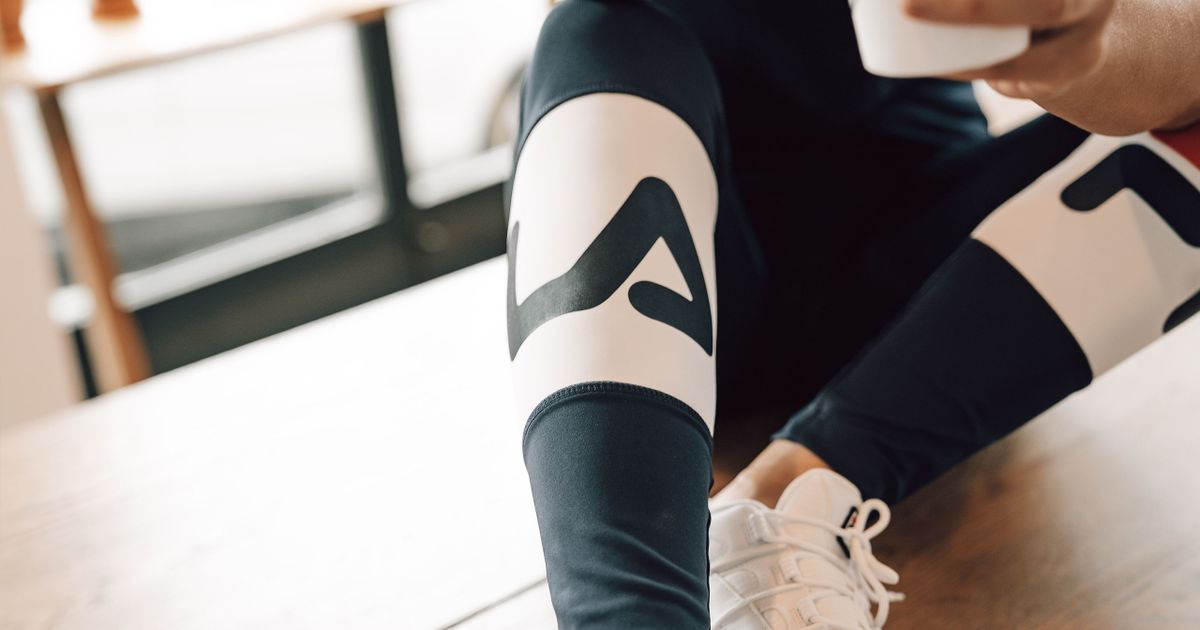
When you need compression shorts, leggings, or fitted bottoms, nylon mixed with lycra (spandex) gives you structure and support without sacrificing stretch. These blends hug your body while keeping you covered, and they dry quickly too. Flex - Workout Leggings 2.0 uses this exact blend to give you compression coverage that doesn't quit.
Cotton-Spandex Blends (For Comfort Layers)
Pure cotton holds moisture, so avoid 100% cotton for your main workout piece. But a cotton-spandex mix (usually 90% cotton, 10% spandex) works beautifully for tank tops, base layers, and cover-up tees where comfort and a natural feel matter more than pure performance. Cotton breathes, feels soft on skin, and the small amount of spandex gives you stretch and shape retention.
Bamboo Fabric (The Breathable Option)
Bamboo fabric is naturally antibacterial and incredibly breathable. It dries faster than cotton and has a silky feel that many people love. It's pricier than polyester, but if you're looking for something gentler on sensitive skin with excellent airflow, bamboo is worth exploring.
Key Properties Your Modest Workout Fabric Needs
Moisture-Wicking
This is non-negotiable. Your fabric needs to pull sweat away from your body so it can evaporate. Without it, you'll feel heavy and uncomfortable, no matter how loose your fit is. Polyester-dominant blends are your best bet here.
Breathability
You need air to circulate through the fabric itself, not just around your body. A dense, heavy fabric will trap heat, even if it wicks moisture. Look for lightweight blends that feel airy to the touch.
Quick-Drying
Fabrics that dry slowly create a breeding ground for bacteria and odor. Polyester, nylon, and bamboo all dry significantly faster than cotton. If you're training multiple times a week and need to wash frequently, quick-drying fabrics save you time and keep your clothes fresher longer.
Stretch and Recovery
A little spandex (2-8%) woven into your fabric gives it stretch without compromising durability. It also helps your clothes hold their shape through hundreds of wash cycles. Coverage-focused pieces especially need this, because loose fabrics that lack stretch can shift and lose their shape faster.
Fabric Recommendations by Workout Type
High-Intensity Cardio
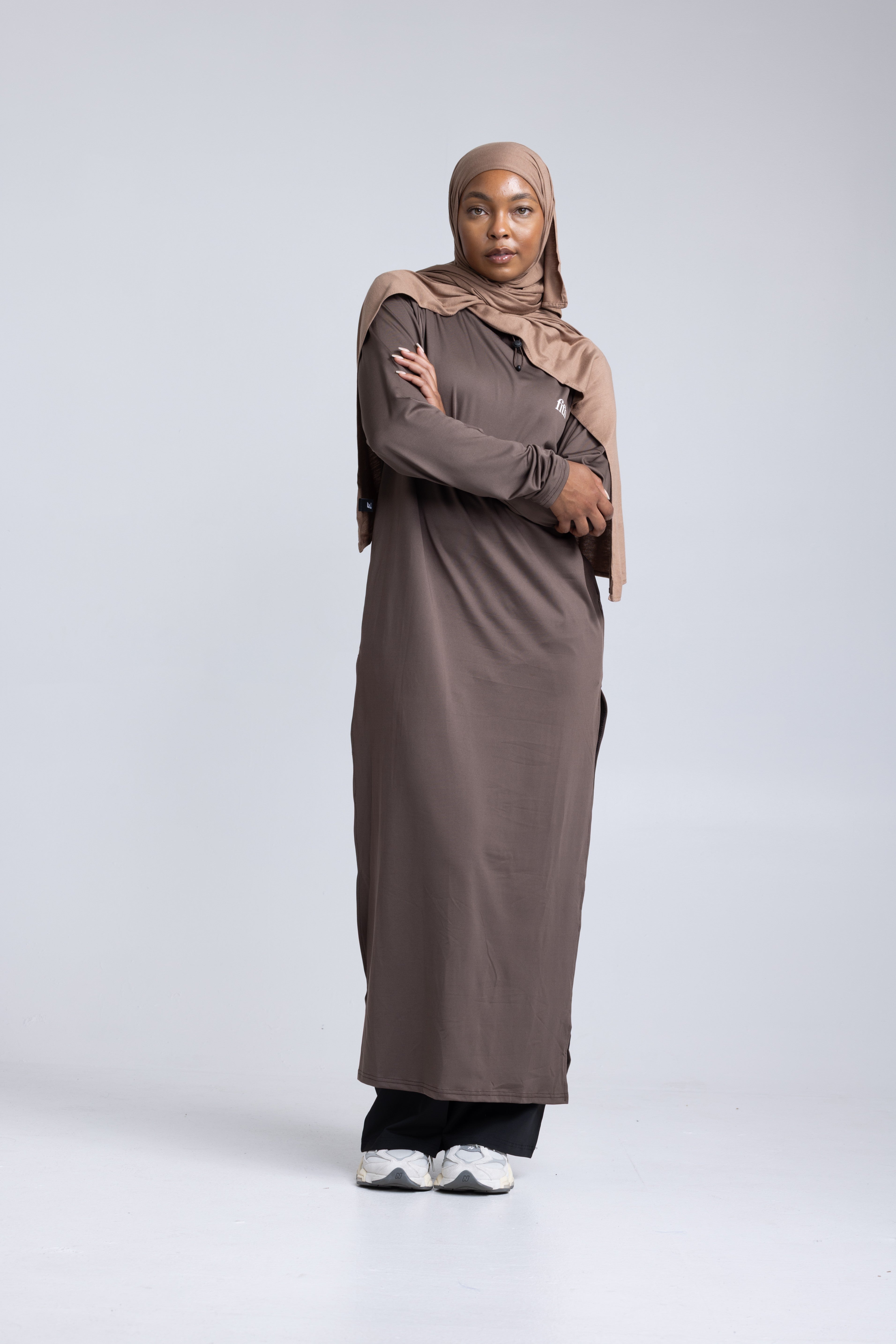
Go with 85-90% polyester, 10-15% spandex blends. You need maximum moisture-wicking and durability. The PWR Oversized Active Tee uses this exact ratio to keep you dry during runs, HIIT sessions, and group fitness classes.
Strength Training and Lifting
Nylon-lycra blends or polyester-spandex work best because you need support without restriction. Compression matters here, so your clothes stay in place during compound movements. Look for fitted bottoms and structured tops that won't shift when you're loaded.
Low-Impact Activities (Yoga, Pilates, Walking)
You can get away with cotton-spandex blends or even a polyester-cotton mix. Moisture-wicking is less critical because your intensity is lower and you won't sweat as much. Comfort and breathability are the priorities.
Layering and Cover-Ups
For pieces you wear over your main workout outfit, cotton-spandex or cotton blends work fine. These pieces don't need to be sweat-wicking because they're mainly for modesty and comfort between sets or on rest days.
How Fabric Blends Support Modest Coverage
Here's something most mainstream activewear brands don't think about: loose-fitting modest clothing needs performance fabrics even more than fitted clothes do.
When fabric is heavy or non-stretchy, loose silhouettes can bunch up, shift around, or feel baggy in awkward ways. But when you combine a loose, modest cut with a lightweight, breathable, stretchy fabric blend, you get the best of both worlds. Your clothes move with your body, stay in place, and keep you cool all at once.
FITH designs its bottoms and tops with this exact balance in mind. The fabrics are chosen specifically to work with modest fits, not against them.
Reading Fabric Labels: What to Look For

When you're shopping, check the fabric composition on the tag. Here's what to prioritize:
- Polyester content above 50% for any main workout piece
- At least 2-5% spandex for stretch and shape retention
- Low cotton percentage if you need moisture-wicking (under 30%)
- Nylon or lycra if you want compression support
- Avoid 100% cotton for intense workouts
You'll also see labels like "performance," "athletic," or "moisture-wicking." These usually indicate a polyester-dominant blend engineered for sweat management.
Care Tips to Extend Your Fabric's Life
The best fabric only stays best if you treat it right.
Wash in cold water to prevent fading and elastic breakdown. Avoid fabric softener, which coats performance fabrics and reduces their moisture-wicking ability. Air dry when possible, because high heat can damage spandex and polyester over time. If you use a dryer, use low heat.
These simple steps keep your modest activewear performing like new for years.
The Bottom Line on Fabric Choice
You don't have to choose between coverage and comfort. The right fabric makes modest workout clothing feel as good as it looks.
Polyester-spandex blends are your go-to for high-performance pieces. Nylon-lycra works when you need compression. Cotton-spandex is perfect for lighter, layering pieces. And whatever you choose, make sure it breathes, wicks moisture, and dries fast.
When you're ready to invest in modest activewear built with these fabrics in mind, FITH has pieces engineered for every workout type. Each one combines coverage with real performance, so you can focus on your fitness, not your clothes.
Related: Activewear Examples: 15 Modest Styles for Every Workout