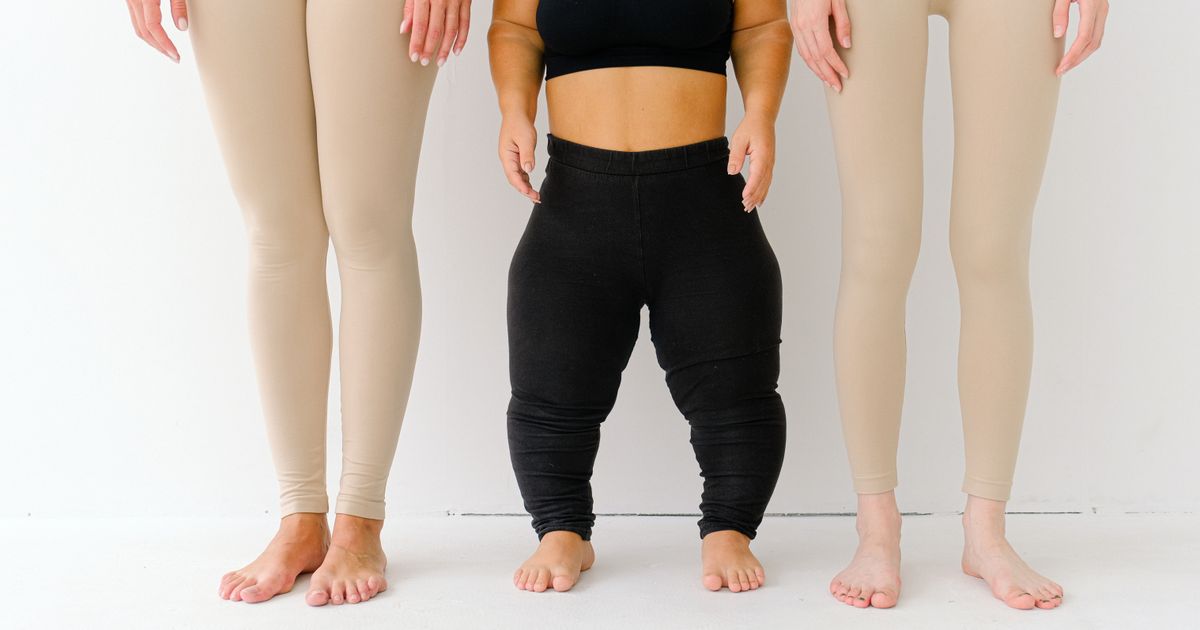
If you've ever pulled on workout clothes only to feel like they're fighting your body instead of supporting it, you're not alone. Real inclusive fitness wear for all body shapes is about so much more than just offering size XS to 5XL.
The truth? True inclusivity means adaptive compression technology, thoughtful design across different silhouettes, and testing on actual diverse bodies before a single item hits the shelf. That's the standard leading brands are moving toward right now.
Let's talk about what to actually look for when you're shopping for workout gear that fits your body the way it should.
In this article
- What Makes Fitness Wear Actually Inclusive
- Why Fit Affects Your Actual Performance
- Key Features to Look for in Inclusive Activewear
- The Rise of Gender-Inclusive Design
- What to Avoid in Activewear
- How to Find Inclusive Fitness Wear That Fits
- Expert-Tested Options Across Price Points
- Why This Matters Beyond the Gym
What Makes Fitness Wear Actually Inclusive
Inclusive fitness wear isn't a buzzword—it's a design philosophy. And it starts with one simple idea: your workout clothes should work for you, not force you into someone else's mold.
When a brand takes inclusivity seriously, they're doing a few non-negotiable things:
- Testing on diverse body types before launch. This isn't optional anymore. FITH and other inclusive-first brands test pieces across different body shapes, sizes, and proportions to make sure the fit actually works.
- Using adaptive compression technology. This means the fabric adjusts to your individual body, not forcing you into a one-size-fits-all compression level.
- Thinking beyond typical sizing. Extended sizes are good, but real inclusivity also means proportional fits—like different sleeve lengths, torso ratios, and hemlines that work for various silhouettes.
- Getting diverse input in design. Leading brands now employ inclusion advisory panels with BIPOC, LGBTQ+, and body-positive voices. Your perspective matters in the design room.
Why Fit Affects Your Actual Performance
Here's something researchers and athletes both know: the right-fitting workout clothes genuinely improve your performance and motivation.
When your gear fits properly, you experience less distraction. Your mind is on your workout, not on tugging at fabric or worrying about gaps or bunching. Studies consistently show that proper-fitting athletic wear boosts confidence and helps you push harder—which means better results.
Think about it. If you're uncomfortable in your clothes, you're less likely to show up for the next session. But when something fits your body well, you feel ready. You feel capable.
Key Features to Look for in Inclusive Activewear
When you're evaluating fitness wear, these are the non-negotiables:
1. Compression that adapts to your shape. Not all bodies need the same level of support everywhere. Look for pieces with balanced, adjustable compression rather than heavy, uniform compression designed for one body type.
2. Length options that make sense. If you're petite, tall, or anywhere in between, your proportions matter. Some inclusive brands now offer multiple inseam lengths and torso fits instead of assuming everyone of a given size has identical proportions.
3. Fabric that breathes and moves with you. Quality matters here. Higher-quality moisture-wicking fabrics work better across different body types and sweat rates. They don't cling awkwardly or create visible marks.
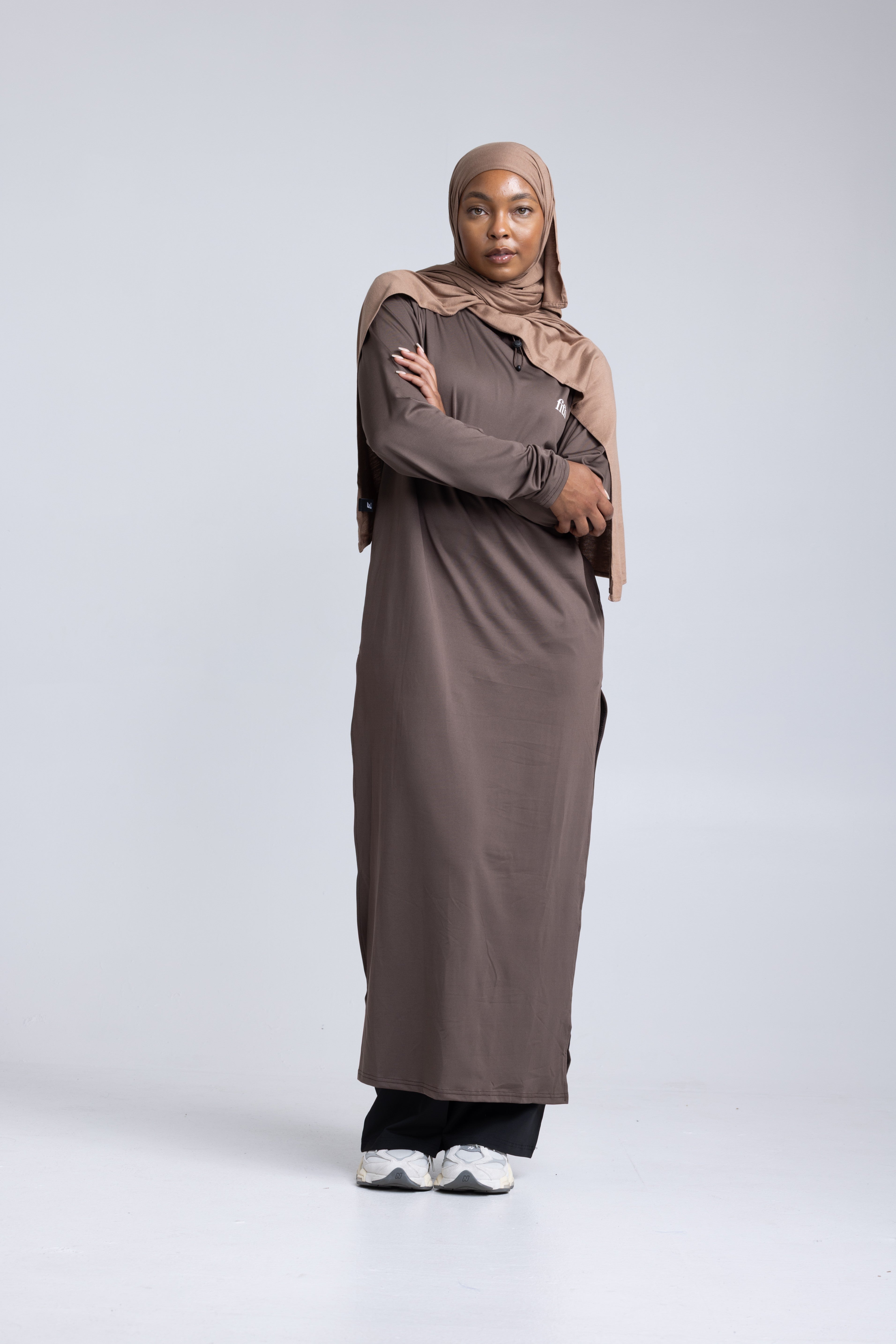
4. Coverage that's actually functional. If you need modest coverage for faith, comfort, or personal preference, make sure the coverage is built into the design—not added as an awkward afterthought. Look for pieces with intentional hemlines, necklines, and sleeve lengths.
5. Details tested on real people. Seam placement, pocket depth, waistband fit—these details matter across different body shapes. Ask yourself: was this tested on bodies like mine, or just sample sizes?
The Rise of Gender-Inclusive Design

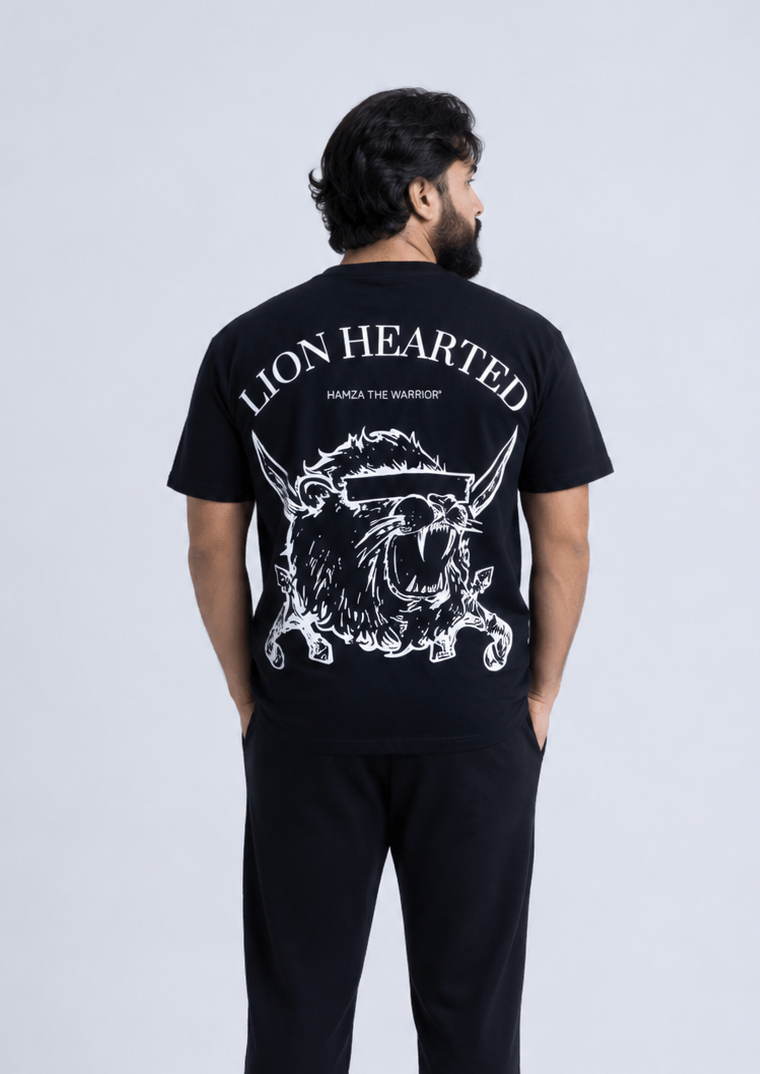
One of the biggest shifts in inclusive fitness wear is moving beyond traditional gendered sizing. Gender-free design expands accessibility for trans and non-binary athletes, but it also helps everyone find better fits.
Many people feel stuck between men's and women's sizing. Gender-inclusive brands offer cuts that work across the spectrum—wider shoulder accommodations, flexible waist placement, and proportional torso options that don't assume your chest or hips fit a specific stereotype.
This isn't about being trendy. It's about recognizing that bodies are diverse, and sizing systems should reflect that reality.
What to Avoid in Activewear
Just as important as knowing what to look for is knowing what to skip.
- One-size-fits-many compression. If a brand claims their high-compression fabric works the same way on every body, they haven't tested enough. Compression that feels right on one silhouette often feels suffocating or unsupportive on another.
- Sizing that only goes to XL. In 2026, that's no longer an excuse. True inclusivity means XS through 5XL at minimum—and often beyond.
- Revealing or compromising coverage. If you need modest coverage and a piece gaps, rides up, or doesn't cover what matters to you—it's not inclusive for you, even if it's technically your size.
- No customer reviews from diverse body types. Check reviews specifically. If you don't see feedback from people with different body shapes than yours, that's a red flag.
How to Find Inclusive Fitness Wear That Fits
Here's your step-by-step:
1. Know your body's needs first. Not just your size. Do you need specific coverage? Extra length? Different proportions? Write it down. Be specific.
2. Look for brands with diversity in their marketing. If a brand only shows one body type wearing their gear, that tells you something about who they designed for. Look for brands showing real diversity in their campaigns and product photos.
3. Check their size and fit policy. Does the brand offer a 30-day return window? Free returns? That safety net matters when you're ordering without trying on. Brands confident in their inclusive fit usually stand behind their products.
4. Read reviews from people with your body type. If you can't find reviews from similar body shapes, reach out to the brand directly and ask. Honest brands will tell you if something runs small, has specific coverage issues, or fits differently on certain silhouettes.
5. Test one piece before committing. Start with a single item—maybe a workout top or leggings. See how it actually fits your life: Does it stay in place during movement? Does the compression feel right? Does coverage work the way you need it to?
Brands like FITH are built on this philosophy. They test across diverse body types, offer generous returns, and focus on actual fit rather than squeezing people into standardized molds. That's what inclusive really looks like.
Expert-Tested Options Across Price Points
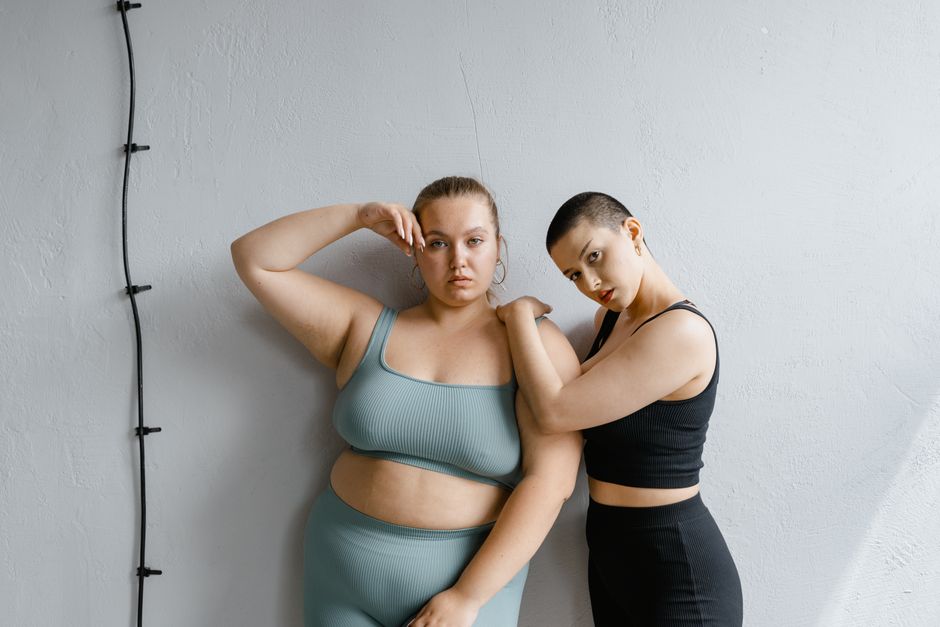
The good news: inclusive fitness wear is increasingly available across all budgets. You don't have to choose between affordability and fit anymore.
Research from major apparel studies shows that brands now regularly launching gender-inclusive and expanded size offerings are becoming the industry standard, not the exception.
Look for brands that prioritize:
- Real customer testimonials across body types
- Detailed fit guides with measurements
- Clear photos from multiple angles and on diverse models
- Responsive customer service willing to answer fit questions
- Return policies that assume you might need to exchange for fit
When you find a brand that gets your body right, you notice. You show up more. You invest in more pieces. The relationship becomes about trust, not just transactions.
Why This Matters Beyond the Gym
Inclusive fitness wear that fits properly changes how you move through the world. You're not constantly adjusting, tucking, or worrying.
For people who wear hijabs or need modest coverage, fit becomes even more critical. A Non-Slip Workout Hijab that actually stays secure during movement, paired with coverage-focused pieces like the FLW Modest Workout Top, means you can train without compromise. Your faith practice and your fitness practice aren't in conflict—they work together.
That's what inclusive design should feel like. Not like you're making sacrifices. Like you're finally being seen.
What's the difference between inclusive sizing and regular extended sizing?
Good question. Inclusive sizing goes beyond just making the same pattern bigger or smaller. Real inclusive sizing means testing fit across different body shapes, adjusting proportions (like sleeve length or torso length), and using adaptive compression that works across silhouettes. Extended sizing alone might just mean a size 5XL that's proportioned exactly like a size S, just scaled up. That doesn't work for most bodies.
How do I know if a brand actually tested on diverse bodies?
Ask them directly. Brands with inclusive practices usually talk about their testing and advisory boards openly. Look for detailed fit reviews from people with body types similar to yours. If a brand has only received feedback from a narrow range of bodies, they probably haven't tested comprehensively. Honest brands will also mention when something runs differently on certain silhouettes.
Should I size up or down in inclusive activewear?
That depends entirely on the specific piece and brand. This is why fit guides and customer reviews matter so much. Some inclusive brands size traditionally. Others use a different scale. Always check the fit guide and customer feedback before ordering. And use that return policy if something doesn't land right—that's what it's there for.
Is inclusive fitness wear more expensive?
Not necessarily. Some premium inclusive brands cost more because of higher-quality fabrics and rigorous testing. But plenty of affordable brands are also stepping up their inclusive practices. You can find quality, well-fitting gear at various price points. The key is looking at what the brand actually tested and how they're using your feedback to improve.