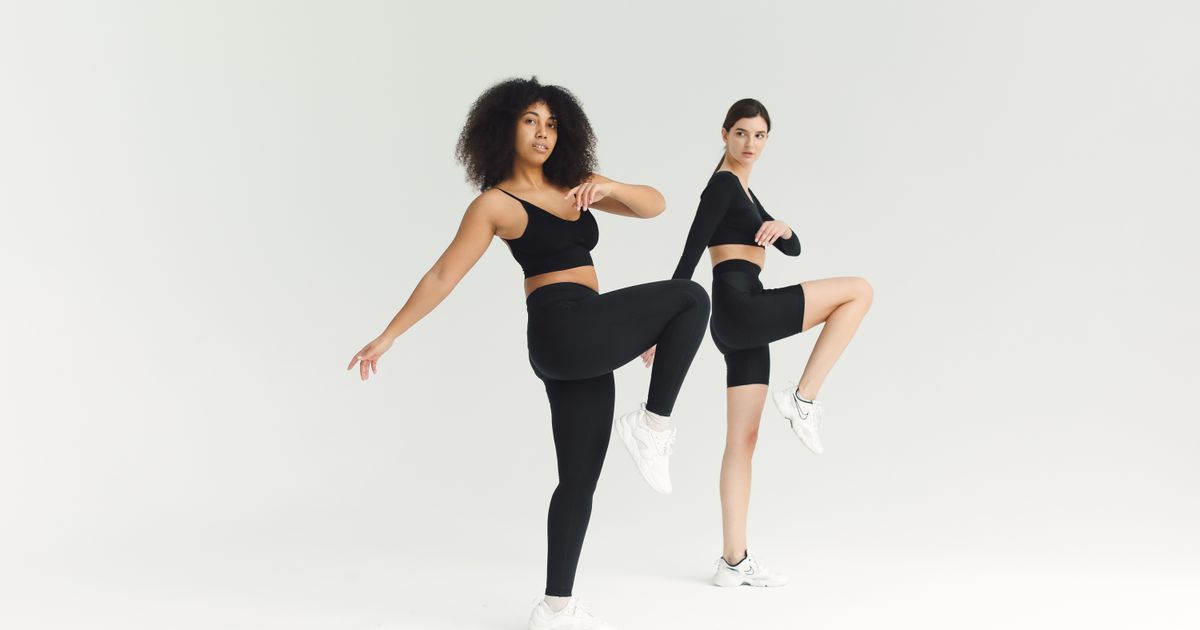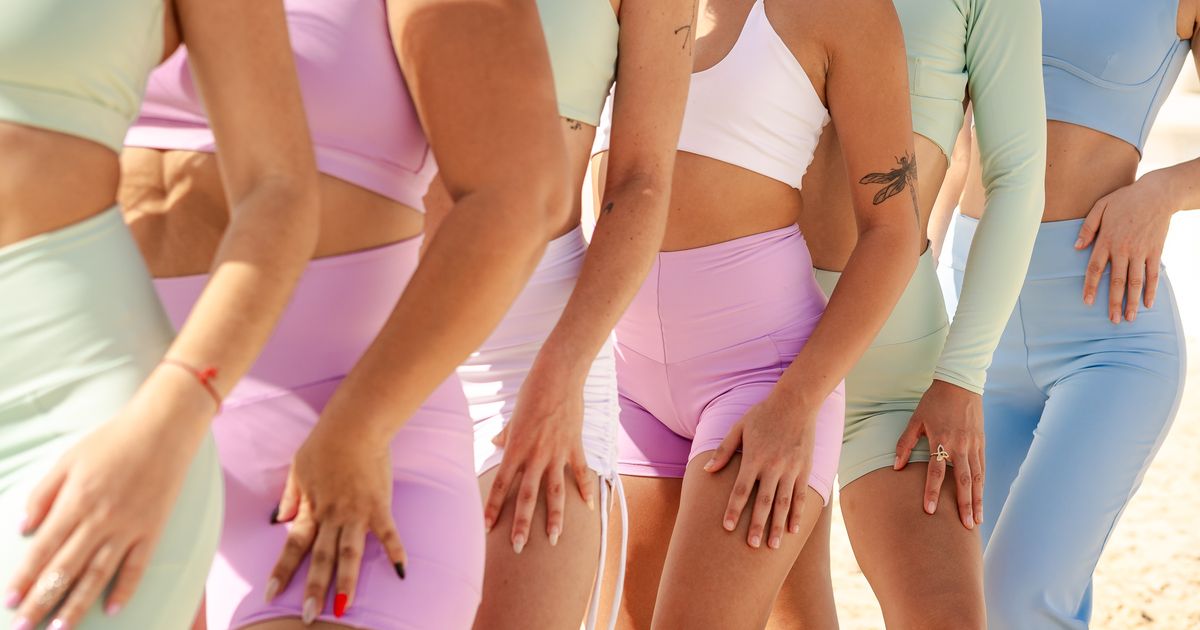
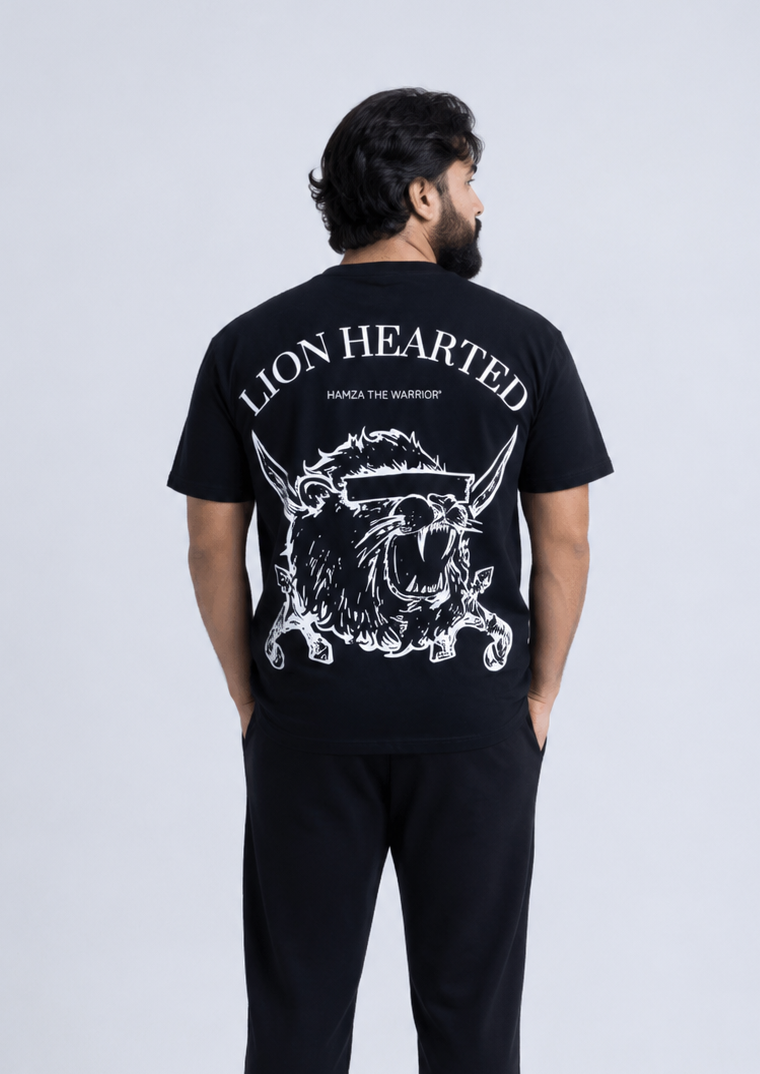
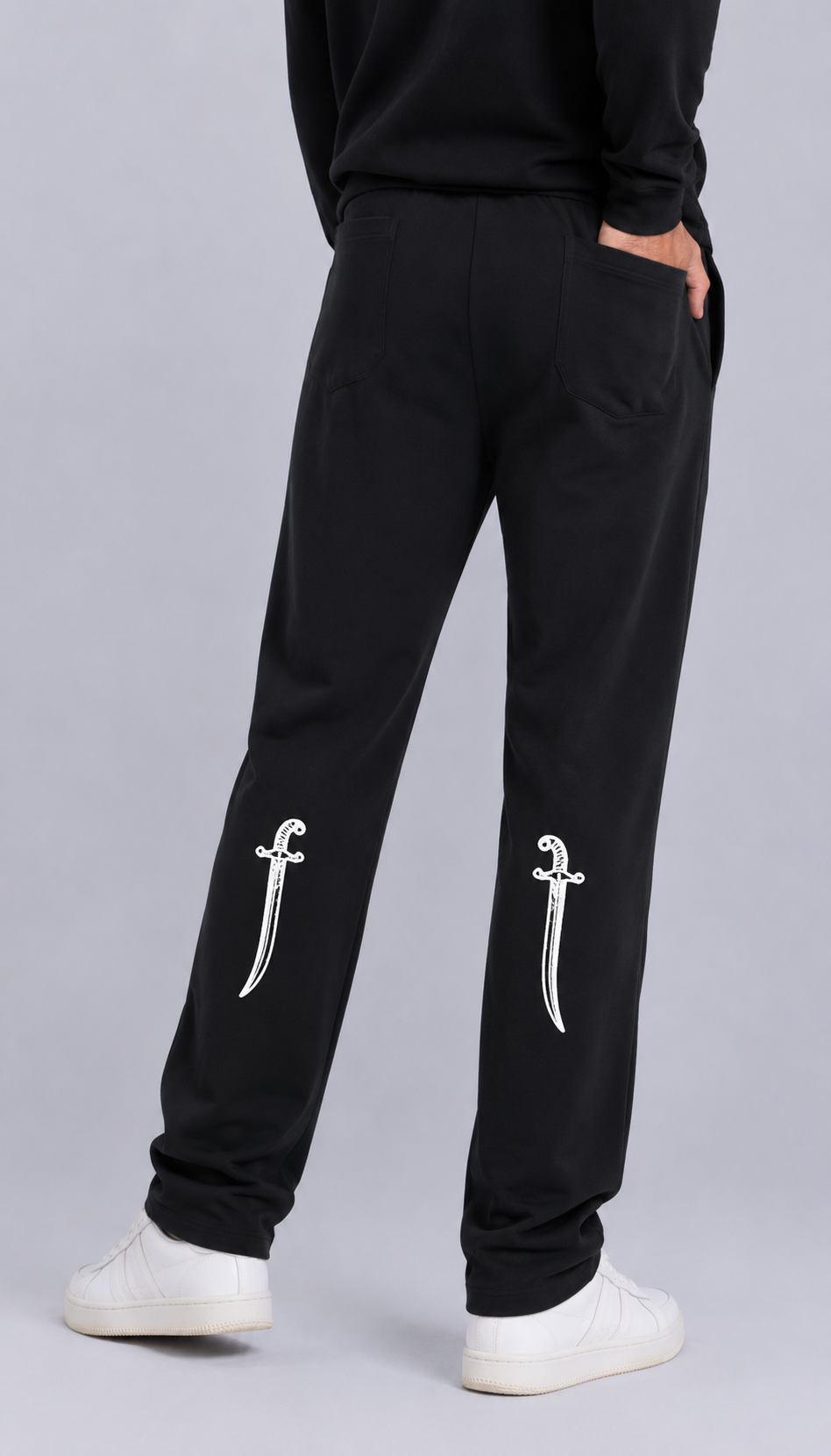
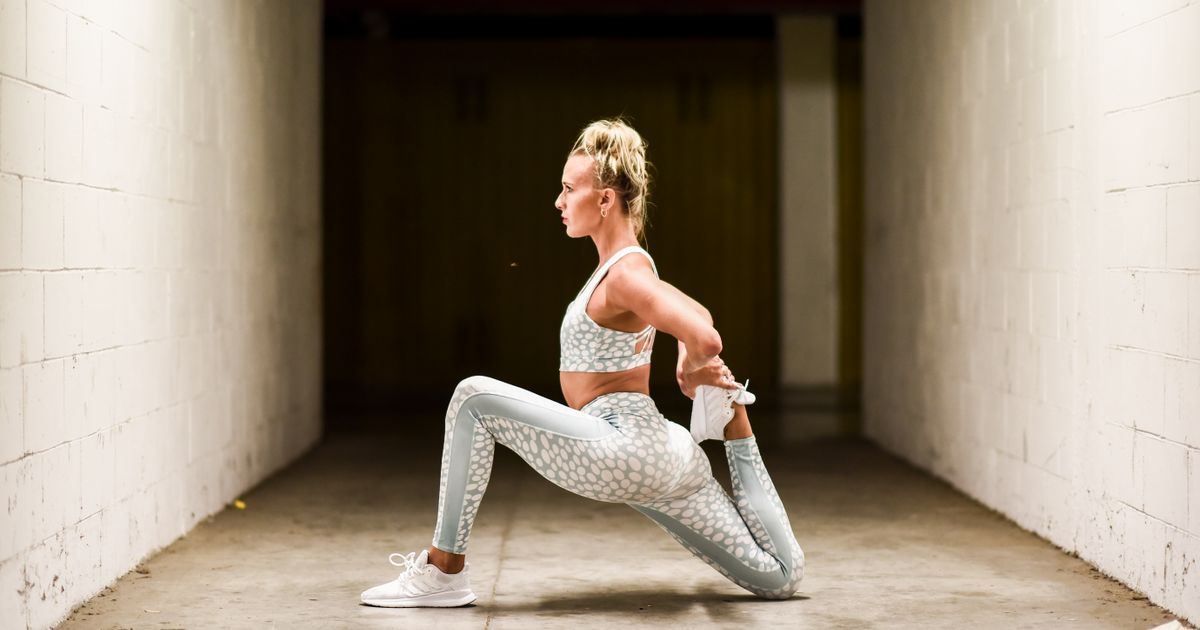
Activewear form matters more than you might think. It's not just about aesthetics—it's about how your workout clothes actually feel and perform on your body. When your activewear fits correctly, you move better, stay more focused, and genuinely enjoy your time at the gym or on a run. The right form keeps you covered, comfortable, and confident.
Let's walk through what activewear form really means and how to find pieces that work specifically for your body and your workout style.
Related: Top 7 Activewear Mistakes That Ruin Your Workout Performance
In this article
- What Does Activewear Form Actually Mean?
- Start with the Core Essentials
- Sizing Is Everything for Proper Form
- Pay Attention to Fabric Quality and Feel
- Test the Form Before You Commit
- Design Details That Improve Form
- Mix and Match to Find Your Form
- Know Your Body and What It Needs
- Consider Accessories That Support Your Form
- Return Policies Give You Room to Experiment
- Activewear Form Is Personal
What Does Activewear Form Actually Mean?
Activewear form refers to how a piece of workout clothing is designed to sit on your body and move with you during exercise. It's about the cut, the seams, the fabric drape, and whether the garment stays in place when you're active.
Good form means your shorts don't ride up, your top doesn't shift around, and your leggings don't require constant tugging. Bad form means you're spending more energy adjusting your clothes than actually working out.
Form also includes design details like no front seams in shorts (which reduces friction and discomfort), proper waistband placement, and fabric that moves with you instead of against you. When you wear FITH activewear, these details are built in so you don't have to think about them.
Start with the Core Essentials
Your activewear foundation should include three main pieces: a sports bra or supportive top, shorts or leggings, and a breathable base layer or workout top.
Each of these pieces needs to fit your body correctly. That means trying things on, checking the range of motion (can you squat? can you lift your arms overhead?), and making sure nothing pulls, gapes, or slides.
The sports bra is non-negotiable. It needs to provide support without being so tight it restricts your breathing. Your shorts or leggings should have a secure waistband that doesn't dig in or slip down. And your top should allow your arms full freedom of movement.
Sizing Is Everything for Proper Form
You cannot get the right activewear form if you pick the wrong size. This is where a lot of people go wrong.
Related: FORM Activewear Sizing Guide: Leggings & Tanks That Fit Right
Don't size down because you think it looks more flattering. Activewear that's too tight restricts movement, rides up, and can actually show every ripple instead of smoothing you out. Don't size up thinking you'll have more room either—oversized activewear can bunch, slip, and create bulk where you don't want it.
Your size should let you move freely. You should be able to bend, squat, jump, and stretch without anything pulling or restricting. If you can't do a full range of motion in the dressing room, it's not the right size.
Check what sizing options are available. Good activewear retailers offer multiple sizes so you can find what actually works for your frame. FITH carries sizes from Small and up across our collection, because everyone deserves activewear that fits.
Pay Attention to Fabric Quality and Feel

The material your activewear is made from directly affects its form and how long it lasts. High-quality fabric holds its shape better, moves with you more smoothly, and doesn't bag out after a few washes.
Run your hand over the fabric. Does it feel soft? Does it have stretch? Can you feel it's durable? Poor-quality activewear starts to look loose and worn quickly, which completely changes how it fits and feels on your body.
When you're comparing pieces, think about what your workouts demand. Do you need maximum stretch for yoga? More structure for running? Moisture-wicking for high-intensity training? The right fabric choice makes your activewear form work better for your specific activity.
Related: How to Choose the Right Activewear for Gym Training
Test the Form Before You Commit
Never buy activewear without testing how it actually moves on your body. This is non-negotiable.
In the dressing room, do these things:
- Bend forward and touch your toes (or try to)
- Do a few squats
- Raise your arms overhead
- Run in place or do some jumping jacks if they let you
- Sit down and check if anything digs in or rides up
- Make sure you're not showing skin where you don't want to
If something doesn't feel right during these tests, it's not going to feel right during your actual workout. Trust that feeling.
Design Details That Improve Form
Certain design features make a huge difference in how activewear actually performs on your body.
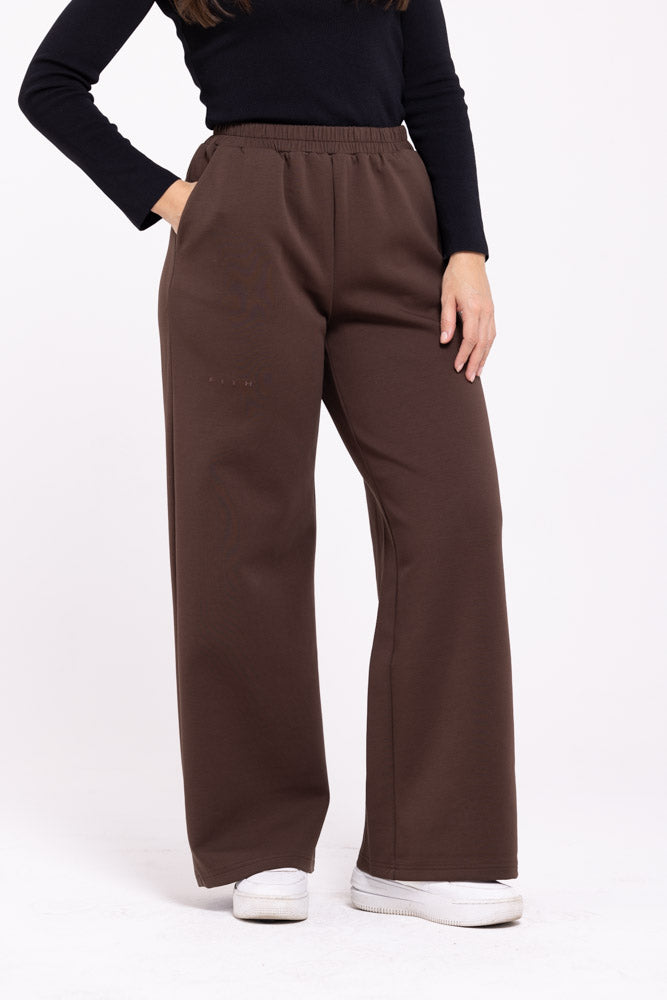
Look for a no front seam design in shorts, which eliminates pressure and chafing during movement. A secure, non-slip waistband keeps everything in place. Gussets in the crotch area add durability and comfort. Flat seams prevent rubbing. High-waisted options provide extra coverage and support if that's what you need.
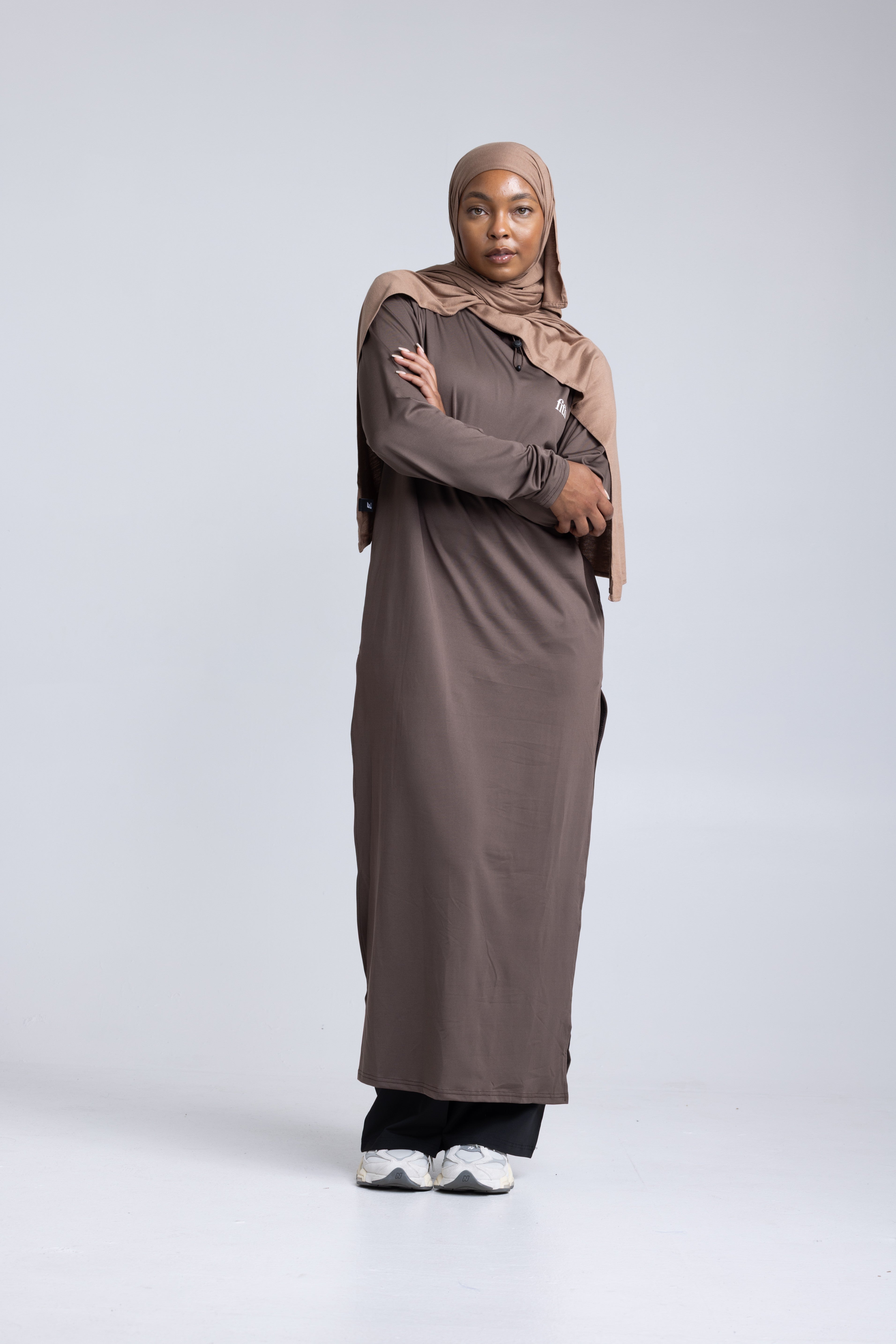
Coverage-focused designs—like longer tops, full-length leggings, and modest cuts—are intentional form choices. They're not just about modesty; they're about giving you exactly the support and security you want without compromise.
Mix and Match to Find Your Form

Your activewear form isn't one-size-fits-all because your body isn't one size, and neither are your workout preferences.
You might need different pieces for different activities. A Flex - Workout Leggings 2.0 might be perfect for cardio, but you'd want something different for weight training. A PWR Hi-Low Loose Workout Top gives you coverage and freedom of movement, while a REFINE - Full Length Workout Shorts provides security for high-impact exercise.
The pieces you choose should work together. Your top should coordinate with your bottoms in terms of coverage, length, and how they sit on your body. When everything works as a system, your form feels effortless.
Know Your Body and What It Needs
Your activewear form should be designed around your actual body, not some imaginary version of it.
Are you taller or shorter than average? You might need petite or tall sizing. Do you have a curvier frame? Look for pieces with stretch and strategic seaming. Do you have a narrower build? Make sure the waistband isn't too loose or things won't stay up.
Do you want maximum coverage? Choose longer tops and full-length leggings. Do you prefer a sleeker look? Go for fitted but not tight pieces. Do you want ease of movement for high-intensity training? Pick looser cuts and flexible fabrics.
Your activewear form should feel like it was made for you because, well, it should be.
Consider Accessories That Support Your Form
The right accessories can actually improve how your activewear works on your body.
A Non-Slip Workout Hijab stays in place during movement so you're not distracted. A Gym Workout Cover-Up layers over your activewear and changes the overall silhouette and coverage level. Compression sleeves can provide support and improve your form during lifting.
These aren't just extras. They're functional pieces that complete your activewear system and make sure everything works together the way you want it to.
Return Policies Give You Room to Experiment
One thing that makes testing activewear form easier is knowing you have an out if something doesn't work. FITH stands behind its products with a 30-day money-back guarantee, so you can try pieces and return them if the form just isn't right for you.
That takes the pressure off. You can order something, test it through a real workout, and know that if it doesn't fit your body or your needs, you have options.
Activewear Form Is Personal
What works for someone else might not work for you, and that's completely fine. Your activewear form should be as unique as your body and your workout style.
Spend time finding pieces that make you feel strong, comfortable, and confident. Test them. Adjust your sizing if needed. Layer them differently. Your activewear should work for you, not the other way around.
What's the difference between activewear fit and activewear form?
Fit refers to how a garment's sizing matches your body measurements. Form refers to how the garment is designed to move, where the seams sit, and how it performs during activity. You can have correct sizing but poor form if the design itself doesn't work for your movement. Form is about the engineering of the piece.
Can activewear form change after washing?
Yes, which is why fabric quality matters so much. Low-quality activewear can lose its shape, stretch out, or shrink after just a few washes. That's why investing in durable, well-made pieces from brands that prioritize construction actually saves you money long-term. Good activewear holds its form wear after wear.
How do I know if my activewear form is working?
Pay attention during your workout. Do you feel secure? Are you constantly adjusting anything? Do you feel confident? Can you move freely without restriction? Those are your answers. If you're thinking about your clothes more than your workout, the form isn't right for you.
Should I choose looser or tighter activewear for better form?
Neither. You want activewear that's fitted but not tight—snug enough to move with you without being restrictive. The piece should feel like a second skin that supports your movement, not constrains it. This is why correct sizing is so important. Too loose and you lose support; too tight and you lose freedom.