

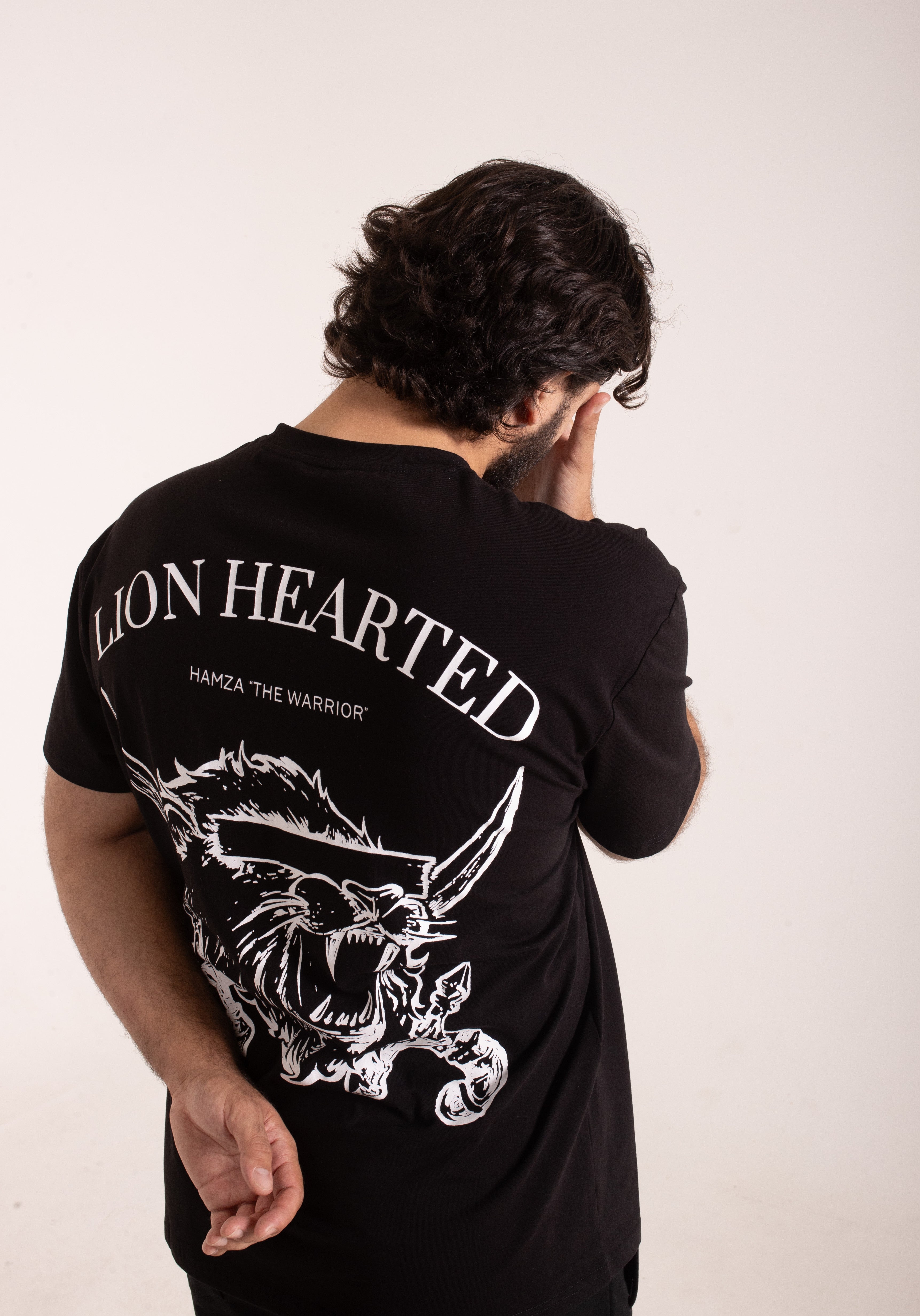

A solid women's active wear guide doesn't tell you what's trending. It tells you what works for your body, your activity level, and what makes you feel confident moving through the world.
Whether you're hitting the gym three times a week, doing yoga at home, or just living in workout clothes on your rest days, the right activewear changes everything. It's not about looking like an influencer. It's about feeling strong, supported, and like yourself.
Related: Active Wear Guide: Modest Styles for Every Workout
Related: How to Active Wear for Ladies: The Complete Guide
Let's break down how to build an activewear wardrobe that actually serves you.
In this article
- Start With Fit, Not Trends
- Pick Your Bottoms Based on Activity Level
- Tops Need to Work as Hard as You Do
- Fabric Matters More Than You Think
- Coverage and Comfort Go Together
- Build Layers for Versatility
- Athleisure Is About Real Transition, Not Pretend
- Quality Matters for Longevity
- Know Your Non-Negotiables
- The Money-Back Guarantee Matters
Start With Fit, Not Trends
The first rule of any women's active wear guide? Fit beats everything else.
Related: Best Women's Modest Sportswear for Active Hijab Wearers
A perfect piece in the wrong size won't make you feel good, no matter how expensive it is. You need activewear that moves with your body, not against it.
When you're shopping for workout bottoms, try them on and do a few squats. Bend down. Reach forward. If the fabric is tugging, bunching, or riding up, it's not your size. The waistband shouldn't dig in, and there should be enough room in the thigh and hip that you don't feel restricted.
For tops, raise your arms. Does the fabric stay in place or ride up? Shoulder seams should sit right at your shoulder, not halfway down your arm.
The best activewear brands understand that bodies come in different shapes. FITH designs pieces with real coverage and real movement in mind, which means fit that actually works for different body types instead of forcing you to squeeze into something generic.
Pick Your Bottoms Based on Activity Level
What you wear on the bottom half matters. Different activities need different support and coverage.
For lifting and strength training: You want Flex - Workout Leggings 2.0 or compression-style bottoms. These give you support without moving around. High-waisted is your friend here because it stays put during squats and deadlifts.
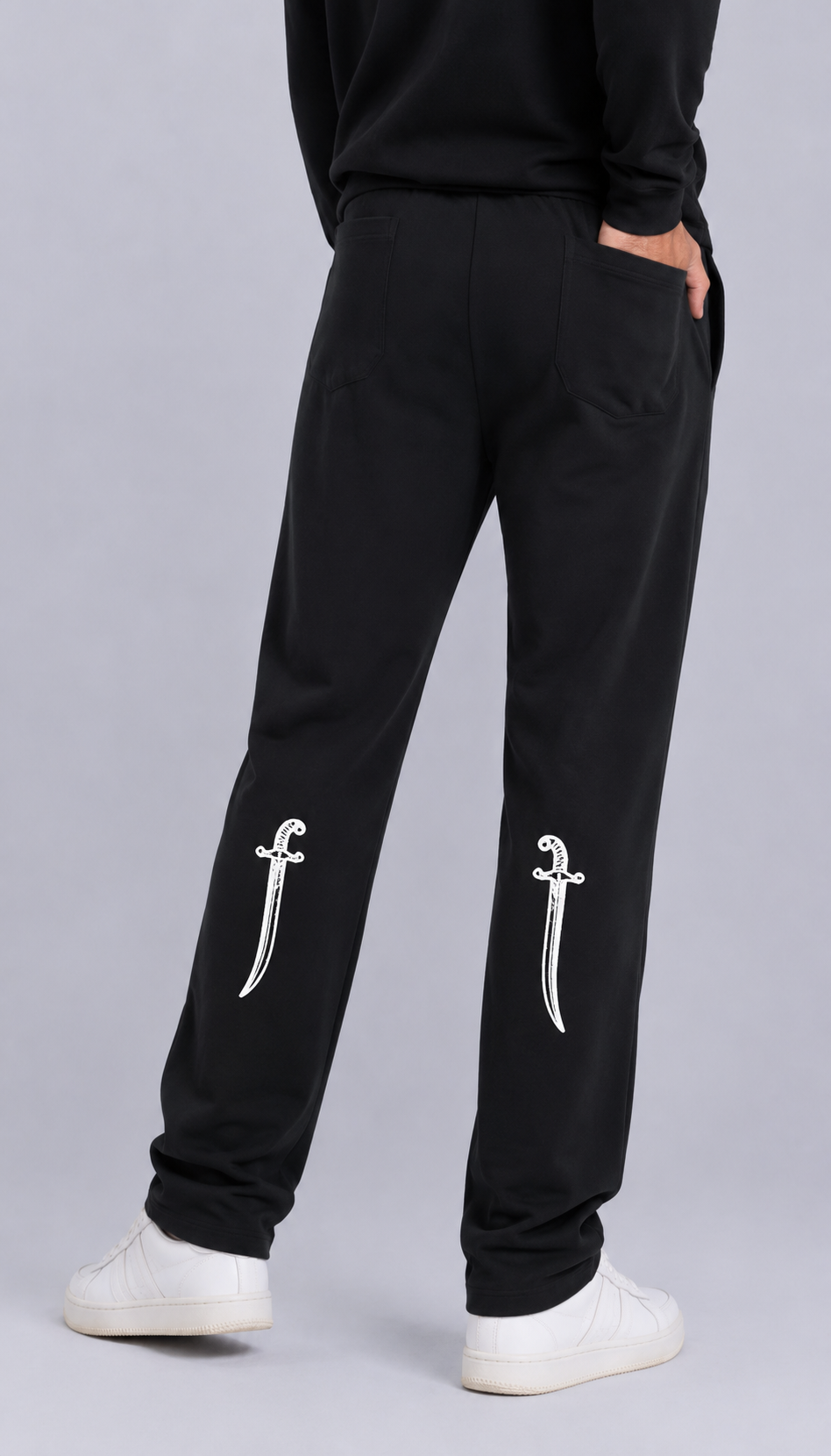
For running and cardio: Look for bottoms with less compression and more breathability. Something like Training Straight Leg Bottoms gives you coverage without feeling restrictive during longer workouts.
For yoga and stretching: You need something that flows and breathes. Ease Lightweight Wide-Legged Pants work here because they don't cling but still give you full coverage through movement.
For shorts: If you're going with shorts, make sure they're long enough that you feel secure during dynamic movement. REFINE - Full Length Workout Shorts provide coverage and support without riding up.
Tops Need to Work as Hard as You Do
Your activewear tops do more than look good. They need to breathe, move with you, and keep you covered during actual movement.
The problem with a lot of standard gym wear? It's not designed for real coverage. If you're bending, reaching, or moving through a full range of motion, you're constantly adjusting.
Look for tops that are longer through the torso and have enough fabric in the back and sides. You want something that stays in place without you having to think about it.
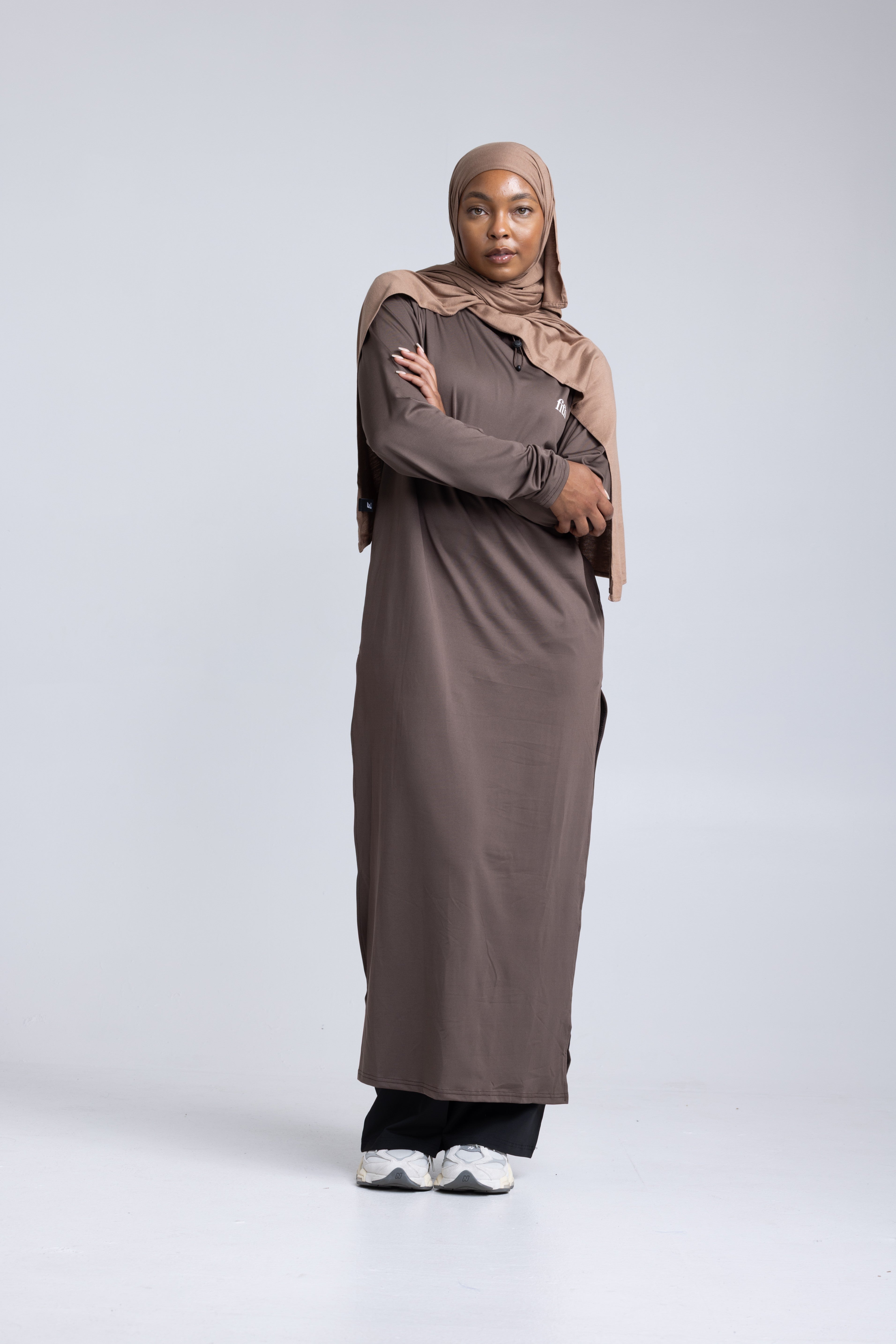
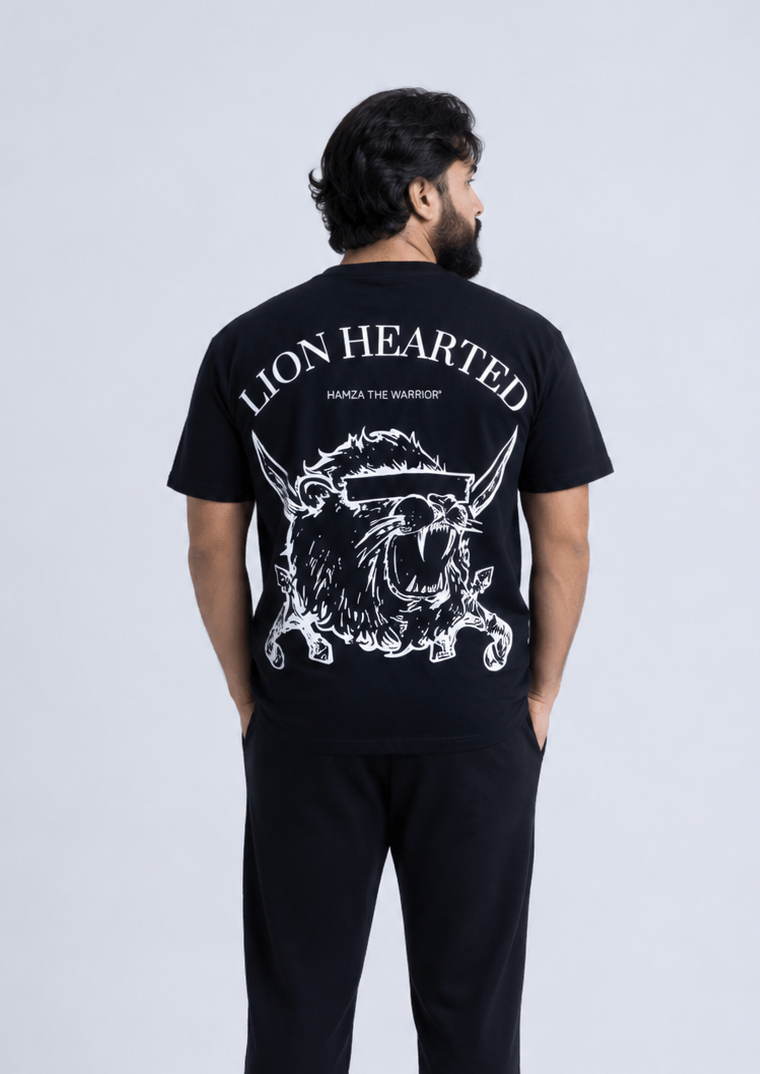
MODAL 2.0 - Modest Long Sleeve Top is an example of a piece that gives you full coverage without feeling baggy. Layering is also smart. A PWR Oversized Active Tee over a fitted base works for almost any activity and adjusts your coverage level depending on how you style it.
Fabric Matters More Than You Think

This is where a lot of people get it wrong. The cheapest activewear often falls apart, pills, or loses its shape after a few washes.
Better fabrics wick moisture, breathe, and hold their structure. They also feel better against your skin, which matters when you're wearing something for an hour or more.
Cotton blends are great for lower-impact activities and everyday athleisure. They breathe and they feel soft. But for high-intensity workouts, you usually want something with more technical fibers that pull moisture away from your body.
Whatever the fabric, wash activewear in cold water and air dry when you can. Heat breaks down stretchy fibers and shortens the life of your pieces.
Coverage and Comfort Go Together
If you prioritize modesty or just like having more coverage, your activewear options shouldn't be limited. You deserve pieces that are designed for you, not modified versions of standard wear.
This means longer inseams, higher necklines, longer sleeves, and fabrics that move with you instead of against you. It also means support pieces like Non-Slip Workout Hijab that actually stay in place during movement instead of constantly needing adjustment.
Coverage-forward activewear isn't a limitation. It's a design choice that works better for a lot of people. When you find pieces specifically made with your preferences in mind, the fit and function are automatically better.
Build Layers for Versatility
The smartest activewear wardrobe is built in layers. This gives you options and extends how many different activities you can use one piece for.
Start with a fitted base layer. Add a looser top or oversized tee over it. Throw on a FLX Zipped Jacket - Premium Coverage when you need warmth.
Layering also gives you control over your coverage. On days when you want more, you add a layer. On days when you want less, you use fewer pieces.
This approach means fewer pieces in your drawer actually work harder for you.
Athleisure Is About Real Transition, Not Pretend

Athleisure sounds like a buzzword, but it's actually useful if you do it right.
Real athleisure means wearing your workout clothes to run errands, go to coffee, or hang out at home because they actually look good and feel good. Not because you're forcing a gym look into regular life.
Pieces like relaxed hoodies, oversized joggers, and long cardigans work for this. They're comfortable enough for movement but put-together enough that you're not self-conscious wearing them anywhere.
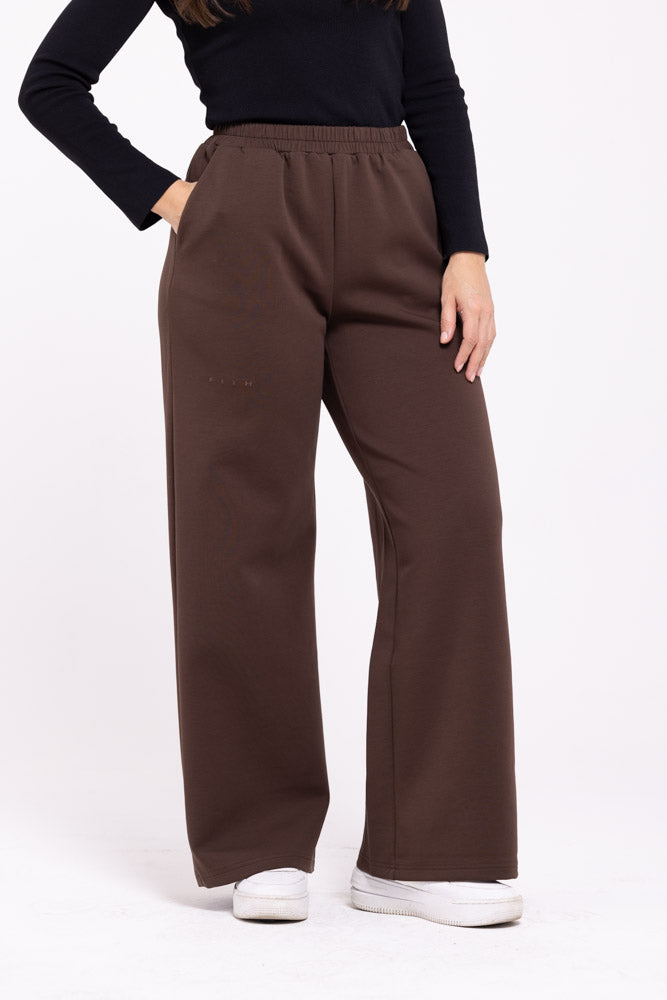
FITH designs a lot of activewear with this in mind. The Cotton Relaxed Top - Athleisure and Cotton Brown High-Rise Relaxed Jogger Pants - Athleisure are examples of pieces that work for the gym, lounging, or just living your regular life.
Quality Matters for Longevity
Cheaper activewear might feel like a win at checkout, but it doesn't last. After 10 washes, the elastic stretches, the fabric pills, or the seams start to fail.
Better quality activewear holds its shape, handles repeated washing, and looks good for years. That's actually better for your wallet and better for the environment.
Related: Active Wear Meaning in Washing Machine Settings
Look at construction details. Are seams reinforced? Is the waistband sturdy? Do the straps feel secure? These things matter.
When you invest in quality, you're buying fewer pieces overall because what you buy actually lasts.
Know Your Non-Negotiables
Every person's non-negotiables are different. For you, it might be high-waisted bottoms, long sleeves, or breathable fabrics. For someone else, it might be pockets or a particular color.
Know what matters to you before you start shopping. This makes the whole process faster and means you're not wasting money on pieces you'll never wear.
If you know you need coverage-focused pieces that don't compromise on style or function, that narrows things down. You're not hunting through endless options. You're shopping intentionally.
The Money-Back Guarantee Matters
Shopping for activewear online is always a little risky because you can't try things on. That's why a good return policy matters.
A 30-day money-back guarantee means you can actually try on pieces at home, wear them through a workout, and know for sure they work before you commit. No questions, no hassle. This takes the guesswork out of online activewear shopping and means you're way more likely to end up with pieces you actually love.
People Also Ask
What fabric is best for women's activewear?
It depends on your activity. For high-intensity workouts, synthetic blends that wick moisture work best. For lower-impact activities and everyday wear, cotton blends feel better and breathe more naturally. The best fabric is one that handles your specific activity without pilling, fading, or losing its shape after washing. Mayo Clinic recommends moisture-wicking fabrics for workouts to help keep sweat away from your skin.
Should activewear be tight or loose?
Activewear should be fitted enough that it doesn't move around during activity, but loose enough that you can breathe and move your full range of motion. If something is pinching, digging, or restricting your movement, it's too tight. If it's sliding down or riding up during basic movement, it's too loose. The right fit feels supportive without feeling restrictive.
How often should you wash workout clothes?
Wash activewear after every workout if you can, or at least every other wear if you're not sweating heavily. Bacteria and sweat break down fabric faster and start to smell if you wait too long. Use cold water, skip the fabric softener, and air dry when possible to keep pieces lasting longer.
Is expensive activewear really worth it?
Better quality activewear usually lasts longer and fits better, which means fewer pieces in total and less money spent replacing worn-out gear over time. You're also more likely to actually wear pieces that fit well and feel good. The real money waste is buying cheap pieces you hate or that fall apart after a few months.


