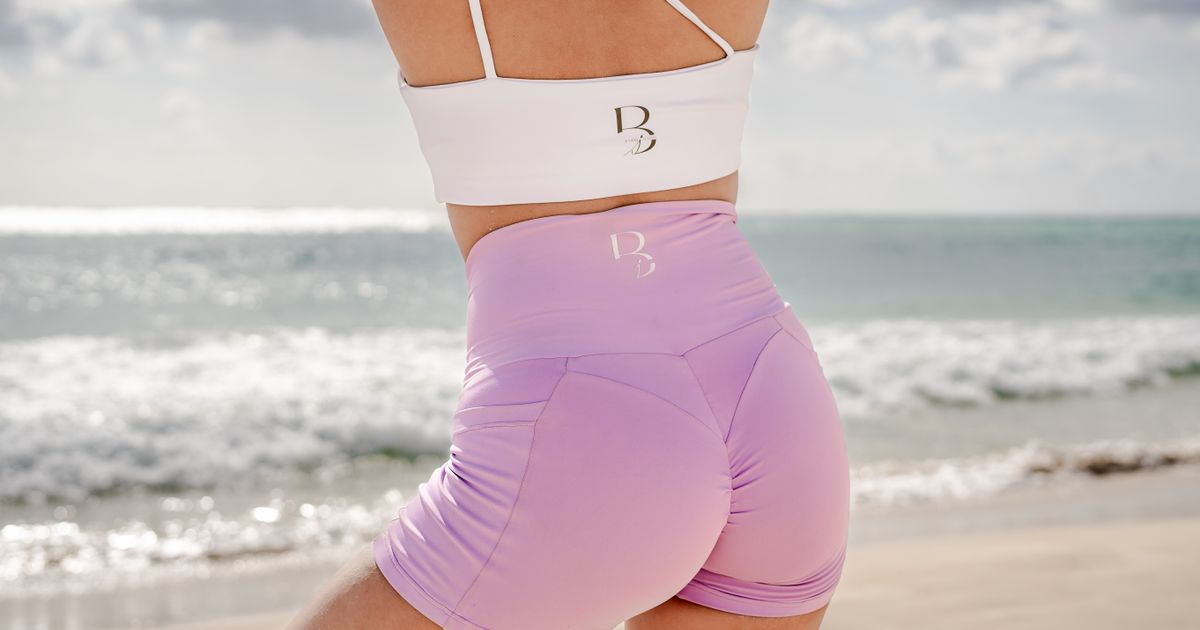

Activewear is specialized clothing engineered for physical activity—think workouts, sports, outdoor adventures, and everyday movement. It's not just regular clothes you happen to exercise in. Real activewear is built differently: the fabrics flex with your body, the fit prevents rolling or digging, and the whole garment is designed to support what you're doing, whether that's lifting, running, yoga, or just moving through your day.
The core job of activewear is simple but crucial: keep you comfortable and unrestricted while you move. That means the garment has to breathe, stretch without losing shape, and stay in place. No bunching. No slipping. No fabric climbing up your sides mid-workout.
In this article
Why Activewear Is Different From Regular Clothes
Regular t-shirts and pants are made to sit still. Activewear is made to move. The difference is in the materials and construction.
First, the fabric. Activewear uses performance textiles—often blends of cotton, polyester, nylon, or specialized synthetics—that have built-in stretch and moisture-management. Research shows that moisture-wicking fabrics reduce sweat buildup and keep skin drier, which matters for comfort and hygiene during and after activity.
Second, the cut. Activewear is tailored with extra room in key zones—shoulders, underarms, hips—so you can move freely without restriction. The seams are placed strategically to avoid chafing during repetitive movements.
Third, the fit profile. Quality activewear resists rolling, stays in place during high-impact movement, and doesn't shift or ride up. When you're mid-squat or mid-run, you need your leggings to stay put. When you're reaching overhead, your top needs to move with you.
If you're looking for activewear that prioritizes both coverage and performance, FITH specializes in modest fitness fashion designed for full-body movement without compromise.
Core Features of Quality Activewear
So what separates good activewear from mediocre stuff? Here are the features that actually matter:
- Non-binding fit: Leggings and bottoms shouldn't dig into your waist or thighs. Your top shouldn't restrict your shoulders or chest.
- Flexible fabrics: The material needs to stretch and recover. It should move when you move and snap back into shape when you stop.
- Moisture management: Sweat-wicking keeps you dry. Avoid fabrics that absorb sweat and cling to your body.
- Durability: Quality activewear holds up to washing, stretching, and repeated wear. Seams stay intact. Colors don't fade quickly.
- Coverage options: Some of us want longer sleeves, fuller coverage, or layering pieces. Good brands offer varied cuts and lengths.
- Proper sizing: Quality activewear comes in extended size ranges because real people have real bodies.
Types of Activewear You Should Know About
Activewear isn't one-size-fits-all because different activities demand different gear. Here's the breakdown:
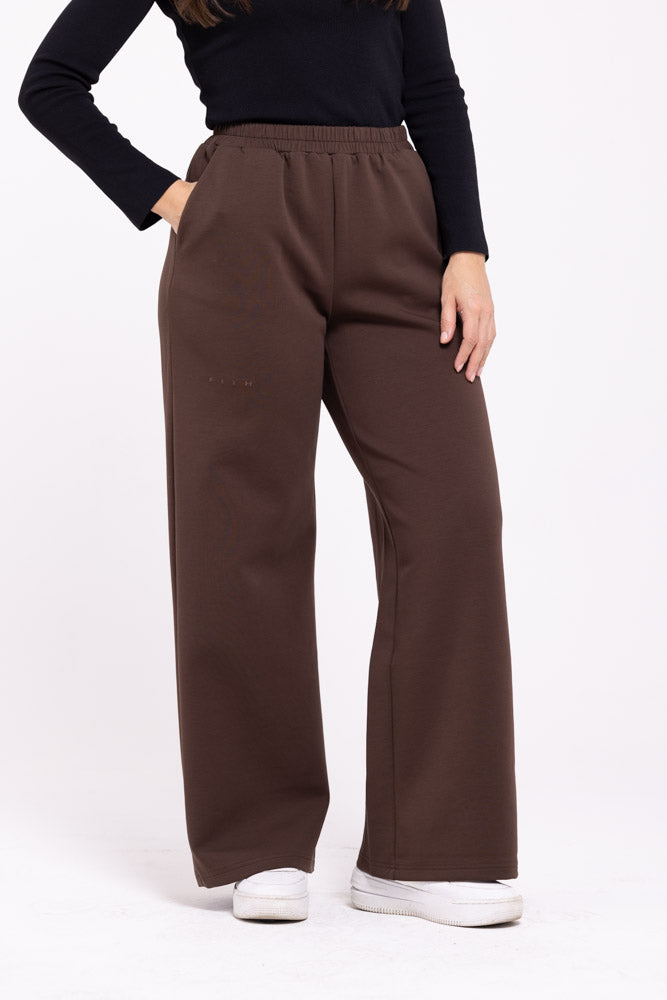
Bottoms: Leggings, shorts, joggers, and training pants. Look for Flex - Workout Leggings 2.0 style designs that offer compression without restriction, high waistbands for stability, and fabrics that don't show sweat marks.
Tops: Tank tops, t-shirts, long-sleeves, and layering pieces. The best ones have enough fabric through the torso so you're not exposed during movement. Options like the PWR Oversized Active Tee or MODAL 2.0 - Modest Long Sleeve Top give you full coverage without sacrificing mobility.
Outerwear: Jackets, hoodies, and cover-ups. These keep you warm before, after, or between activities. A piece like the FLX Zipped Jacket - Premium Coverage works for both gym sessions and casual errands.
Accessories: Hijabs, arm sleeves, and support gear. Items like the Non-Slip Workout Hijab or Active Compression Arm-Sleeves add functionality and style.
How to Choose the Right Activewear for You
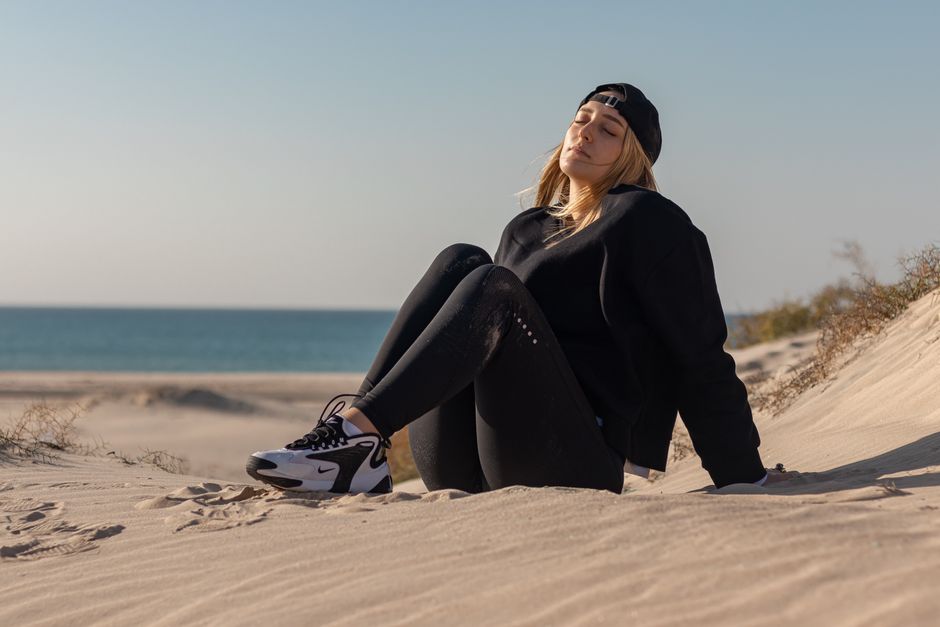
Picking activewear isn't complicated if you know what to look for. Start with your activity. Are you lifting? Running? Yoga? Casual movement? Each one has slightly different needs.
Related: Modest Running Clothes for Women: Complete Guide
Related: Layering Tips for Modest Gym Workouts: A Complete Guide
Related: Modest Gym Attire for Hot Weather Workouts: A Complete Guide
Related: Modest Gym Wear Recommendations: Complete Guide 2026
Then consider fit. Activewear should feel snug without squeezing. You should be able to move your arms overhead, squat fully, and reach behind your back without anything digging, rolling, or riding up. If you're between sizes, consider whether you want a fitted or relaxed feel.
Next, think about coverage. How much of your body do you want visible? Quality activewear comes in options—from fitted crops to full-length leggings, from tank tops to oversized tees and long sleeves. FITH is built specifically for people who want comprehensive coverage without losing the performance of serious activewear.
Finally, check the fabric content and care instructions. Natural blends tend to feel better against skin but may need more frequent washing. Synthetic blends often dry faster and are easier to care for. Look for reversible features when available—some activewear pieces serve double duty as casual wear.
Common Activewear Mistakes to Avoid
Here's what people get wrong about activewear:
Buying based on looks alone: That gorgeous color or cute design won't matter if the fit pulls, rolls, or shifts during your workout.
Sizing up too much: Oversized activewear can be comfortable, but if it's so loose that it moves independently of your body, you lose the support you need.
Ignoring seam placement: Seams under your arms or through high-friction zones will chafe. Check where the seams run before you buy.
Skipping the stretch test: Before checkout, check if the fabric recovers after a stretch. If it stays stretched out, it'll bag and sag after a few wears.
Assuming all "activewear" is created equal: A $20 piece and a $120 piece might look similar, but quality materials, seam construction, and durability differ significantly. You get what you pay for.
Activewear for Modest and Inclusive Fitness
If you've felt overlooked by mainstream activewear brands, you're not alone. Most fitness wear is designed for one body type and one coverage level.
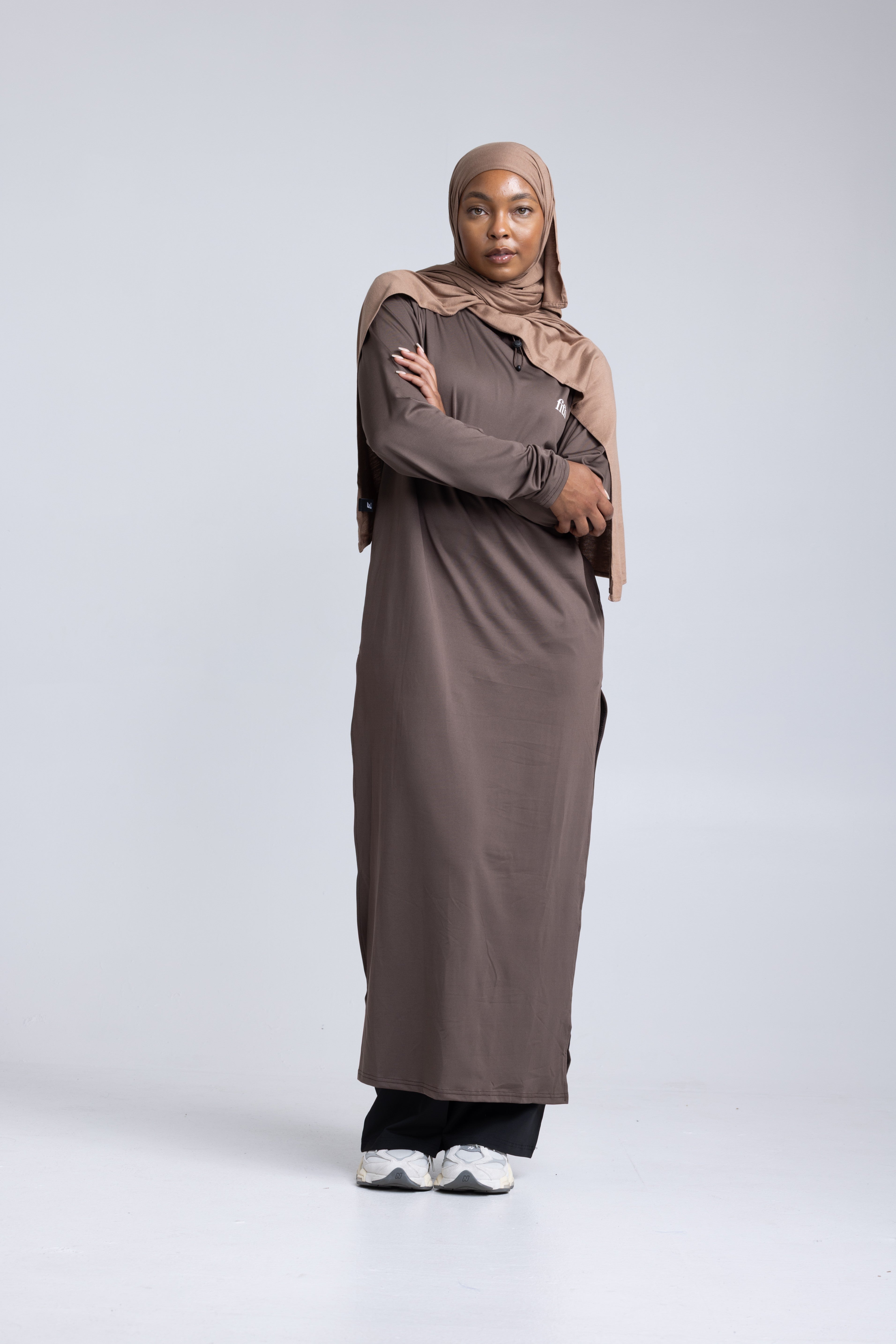
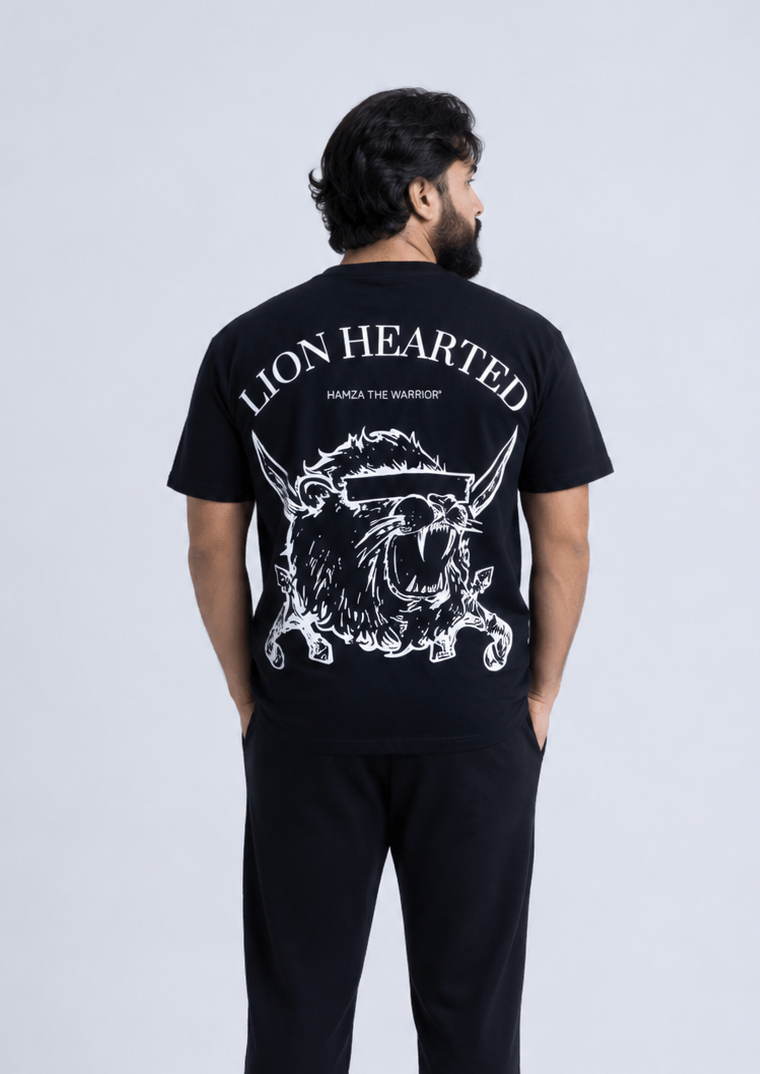
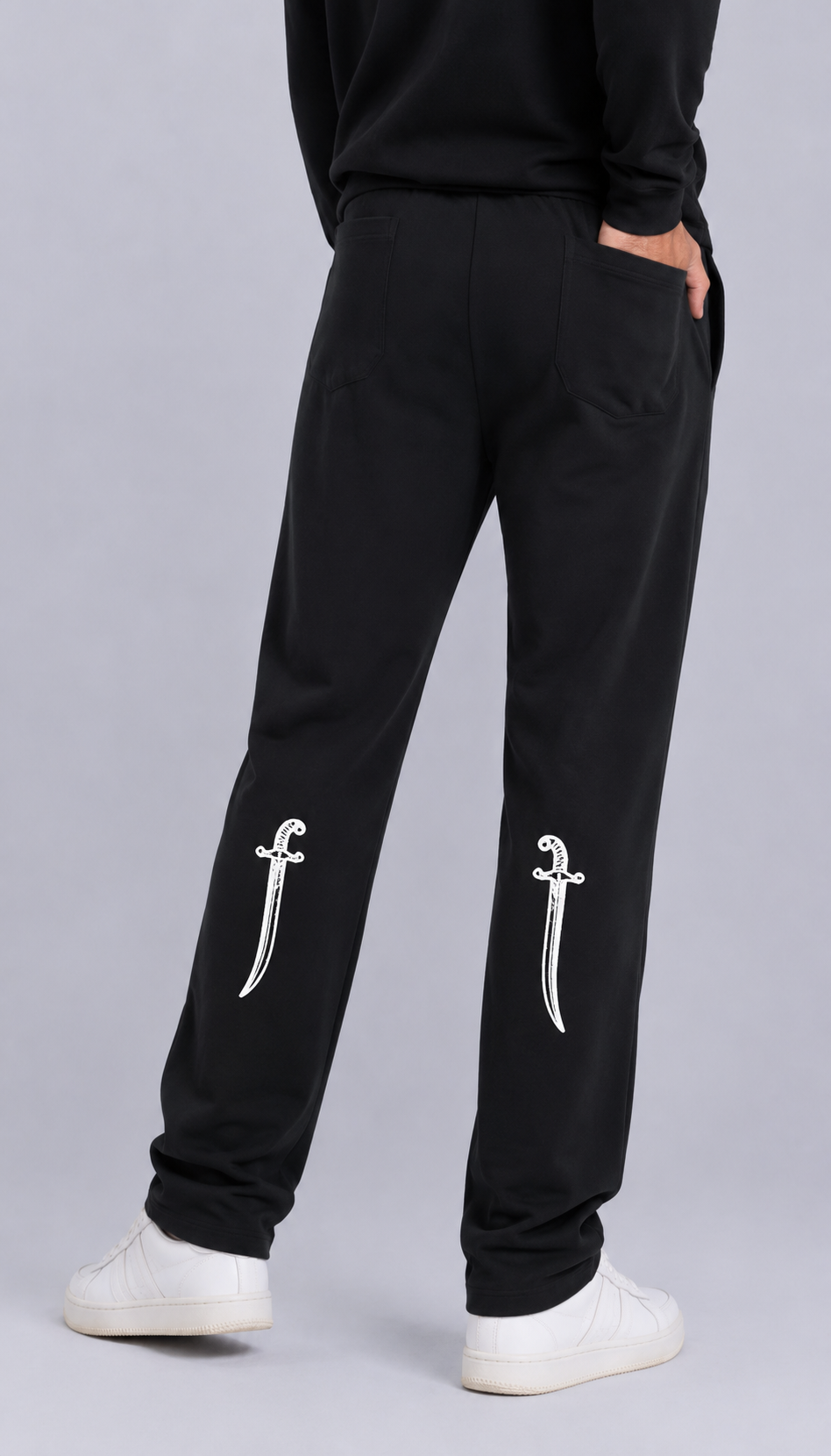
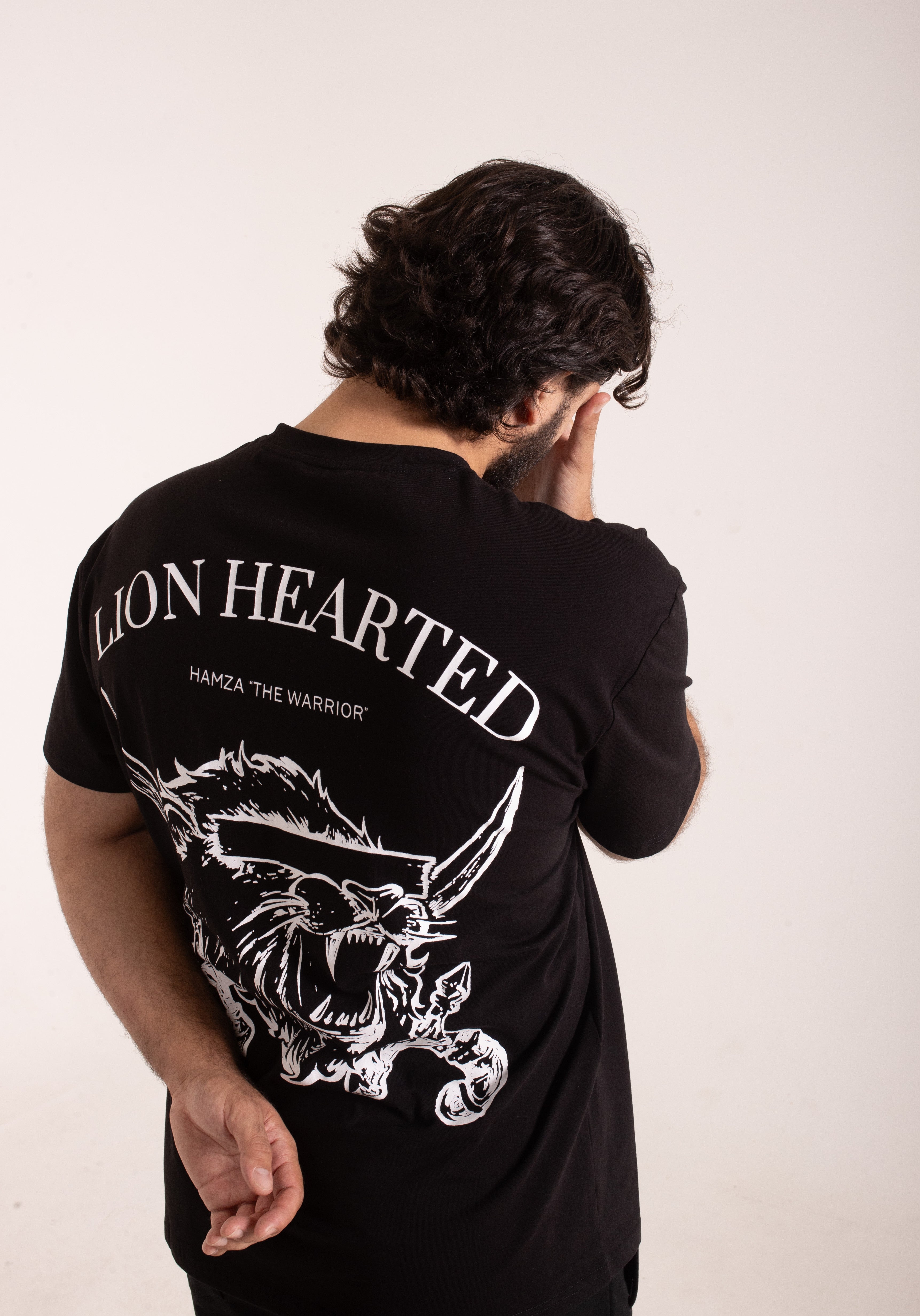
Modest activewear solves this. It gives you full-length bottoms, high necklines, extended sleeves, and pieces designed specifically for layering. You don't have to compromise on coverage to get performance. Options like the MODA - Modest Workout Abaya (Slim Fit) or LION HEARTED - Workout Bottoms deliver both coverage and the technical performance you need for serious training. And when you're choosing activewear that aligns with your values and faith, you're more likely to actually use it—which means better consistency and better results.
Why Quality Activewear Matters
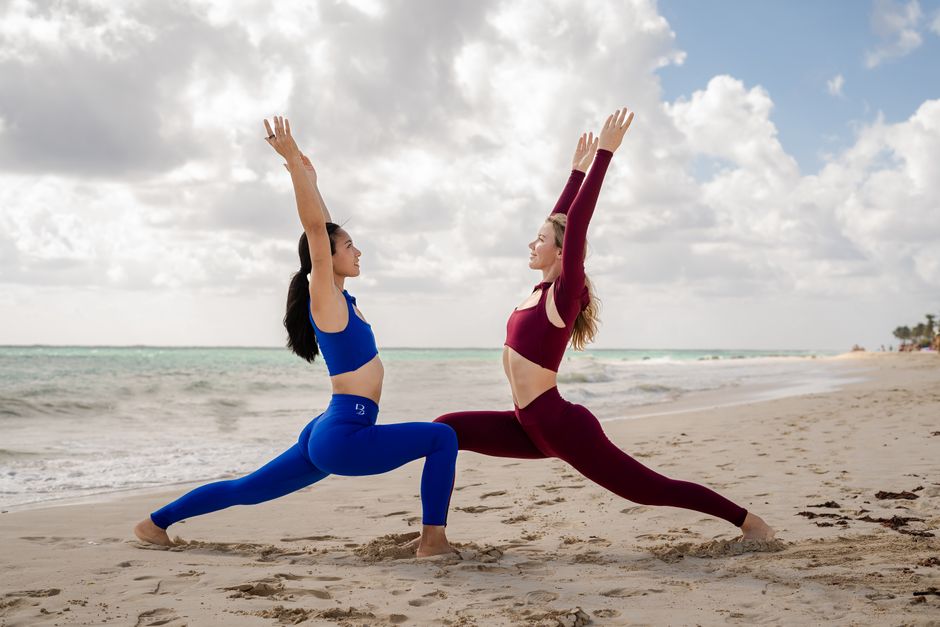
Good activewear is an investment in consistency. When your clothes fit right, feel right, and perform right, you're more likely to show up for your workouts. You're more confident. You're not distracted by rolling waistbands or exposed skin. You just move.
That's the whole point. Activewear isn't about fashion (though it can be fashionable). It's about removing barriers between you and your fitness. It's about supporting your body the way it deserves to be supported.
People Also Ask
Is activewear the same as athleisure?
Not exactly. Activewear is specifically engineered for exercise and high-movement activities. Athleisure is activewear styled for casual wear—think wearing your gym clothes to run errands or grab coffee. Most athleisure has the performance features of activewear but is designed to look good off the gym floor too. Some pieces blur the line between both, working equally well for a workout and a relaxed day.
What's the best fabric for activewear?
It depends on your activity and preference. Cotton blends are breathable and comfortable but absorb sweat. Polyester and nylon blends are moisture-wicking and dry quickly, making them better for intense workouts. Merino wool is naturally antimicrobial and temperature-regulating but costs more. Look for fabric content on the tag and test how it feels against your skin.
How should activewear fit?
Activewear should be snug enough to stay in place but not so tight it restricts movement. You should be able to move your arms freely, squat without restriction, and reach in all directions. For leggings, there shouldn't be gaps at the waistband when you bend. For tops, you shouldn't feel exposed or restricted. When in doubt, try it on and move around in the fitting room.
How often should you replace activewear?
Quality activewear lasts 1-2 years with regular care. If you wear pieces 3-4 times per week, expect them to need replacement after about 18 months. Signs it's time to replace: loss of stretch, pilling, fading, or seams coming loose. Proper care—cold water washing, air drying, and avoiding excessive heat—extends the life of your pieces significantly.