If you're wearing activewear that doesn't flatter you, it's usually not about your body—it's about the choices you're making. The good news? These nine activewear style mistakes are totally fixable. Once you know what to avoid, you'll look slimmer, more polished, and genuinely stylish in every workout and casual moment.
In this article
- 1. Wearing Outdated Silhouettes
- 2. Ignoring Proper Fit Over Size
- 3. Pairing Mismatched Proportions
- 4. Choosing the Wrong Color Combinations
- 5. Neglecting Layering Strategy
- 6. Using Heavy or Stiff Fabrics
- 7. Wearing Oversized Accessories
- 8. Ignoring the Activity or Context
- 9. Sticking with Outdated Personal Styling Habits
- How to Start Building a Flattering Activewear Wardrobe
- People Also Ask
1. Wearing Outdated Silhouettes
Activewear from five or ten years ago doesn't hit the same. Baggy shapes that used to feel comfortable now read as shapeless and dated. Modern cuts have evolved to flatter your frame while keeping you covered.
Related: Top 7 Activewear Mistakes That Ruin Your Workout Performance
Related: 7 Best Stylish Activewear Brands on YouTube (2026)
Related: Best Activewear Guide for Men: Style Meets Function
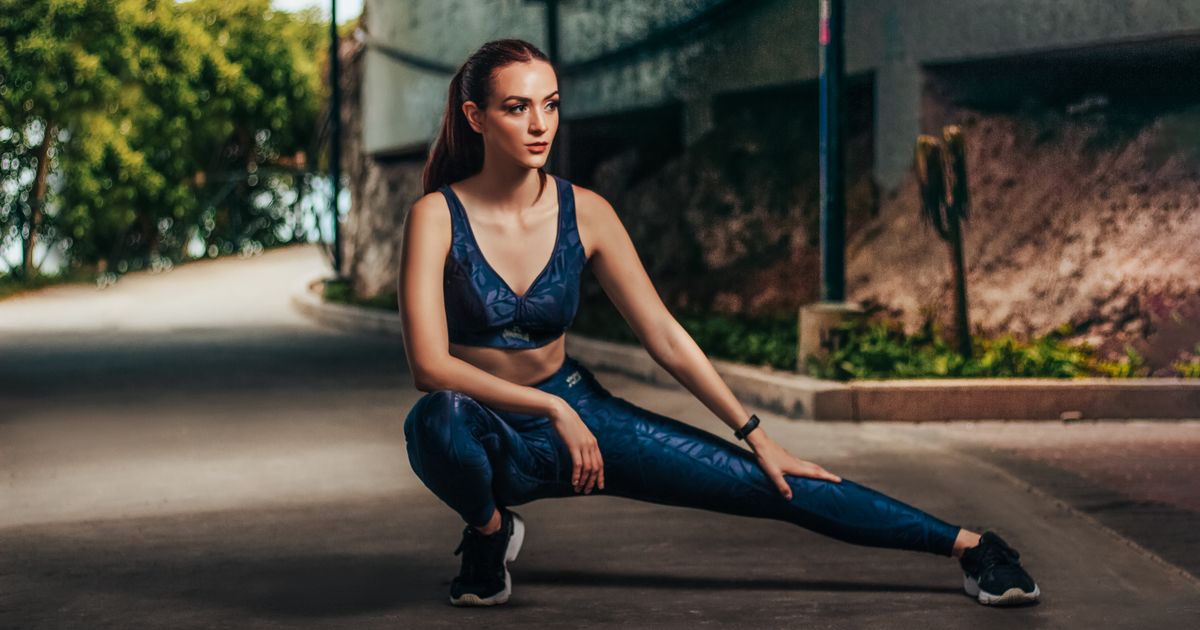
Look for pieces with intentional shaping, tapered ankles, and proportional volumes. A Flex - Workout Leggings 2.0 with a slim, contoured fit instantly looks more current than a generic straight-leg pair from years past.
2. Ignoring Proper Fit Over Size
This is huge. Just because something is your usual size doesn't mean it fits you right. Activewear that's too loose drowns your shape. Too tight, and it creates unflattering bunching and pulls.
The goal is a piece that skims your body without clinging or billowing. If something doesn't feel right when you move, try another size or style. A perfectly fitted base layer is worth more than three oversized ones.
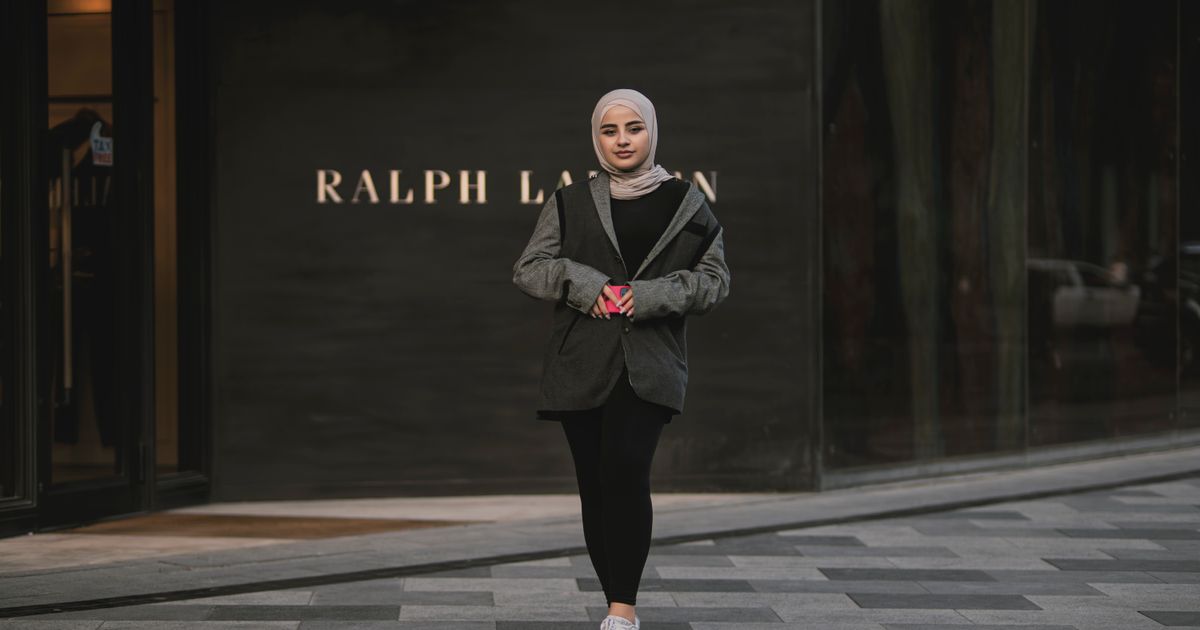
3. Pairing Mismatched Proportions
This is a silent killer of flattering looks. Wearing a huge baggy top with fitted leggings (or vice versa) throws your proportions totally off balance.
Instead, pair like with like. A fitted top pairs well with fitted or straight-leg bottoms. An oversized top works better with relaxed or straight-leg pants. When your top and bottom volumes are balanced, your silhouette looks intentional and streamlined.
4. Choosing the Wrong Color Combinations

Color matters more than you think. Wearing all dark colors creates a unified, slimming effect. Bright color blocking in the wrong places can actually add visual bulk.
If you want to use color strategically, go for solids or subtle patterns, and pair them with neutrals. Darker shades on areas you want to minimize and lighter shades for balance works beautifully. The key is intention, not accident.
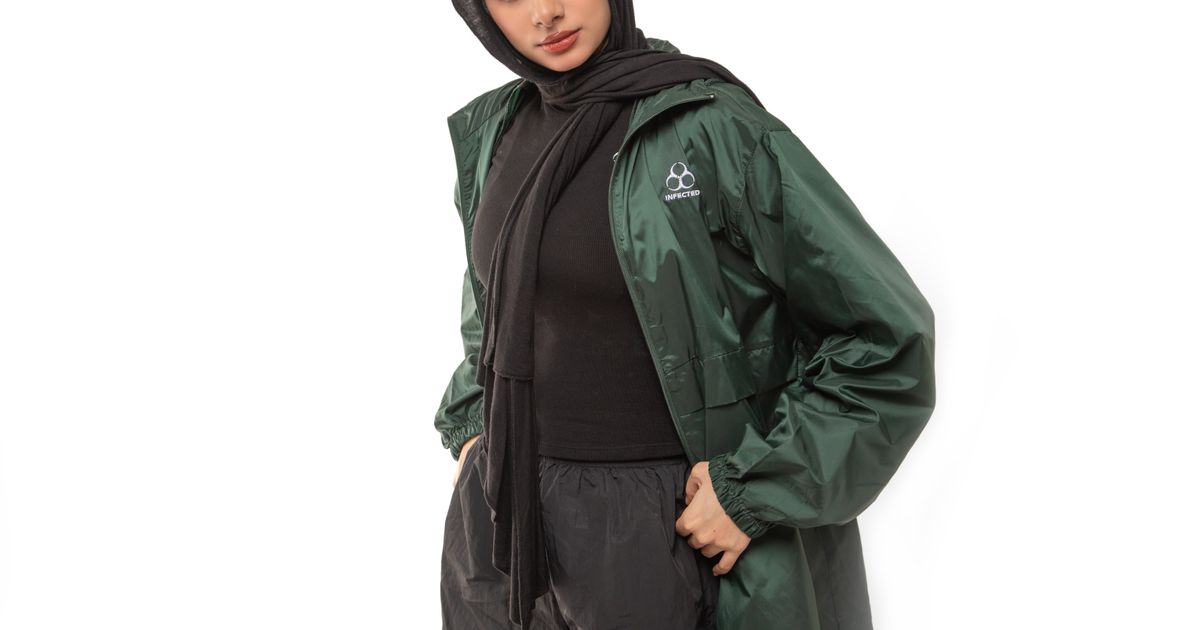
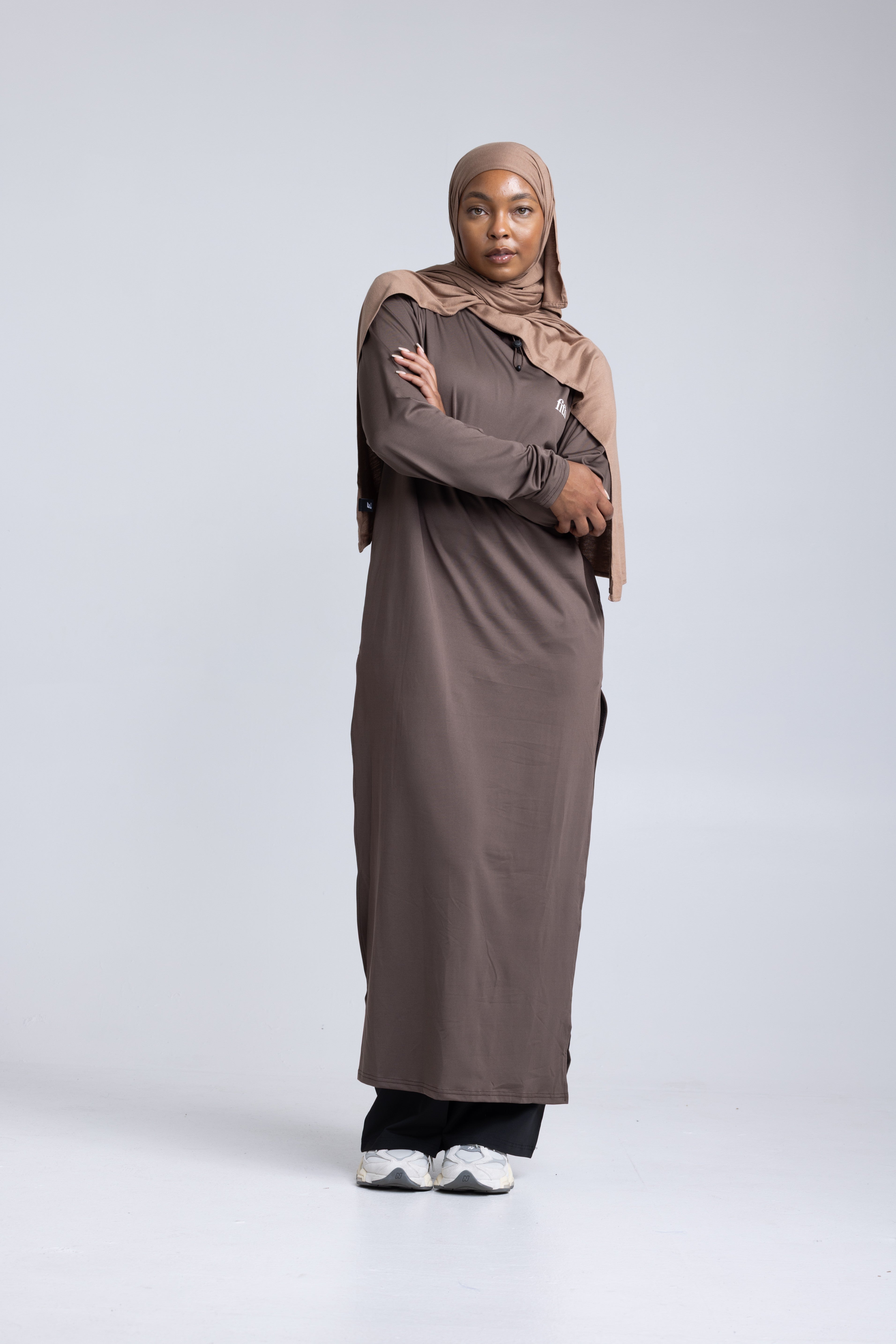
5. Neglecting Layering Strategy
Layering done right creates dimension and controls your silhouette without making you feel restricted. Layering done wrong just adds bulk.
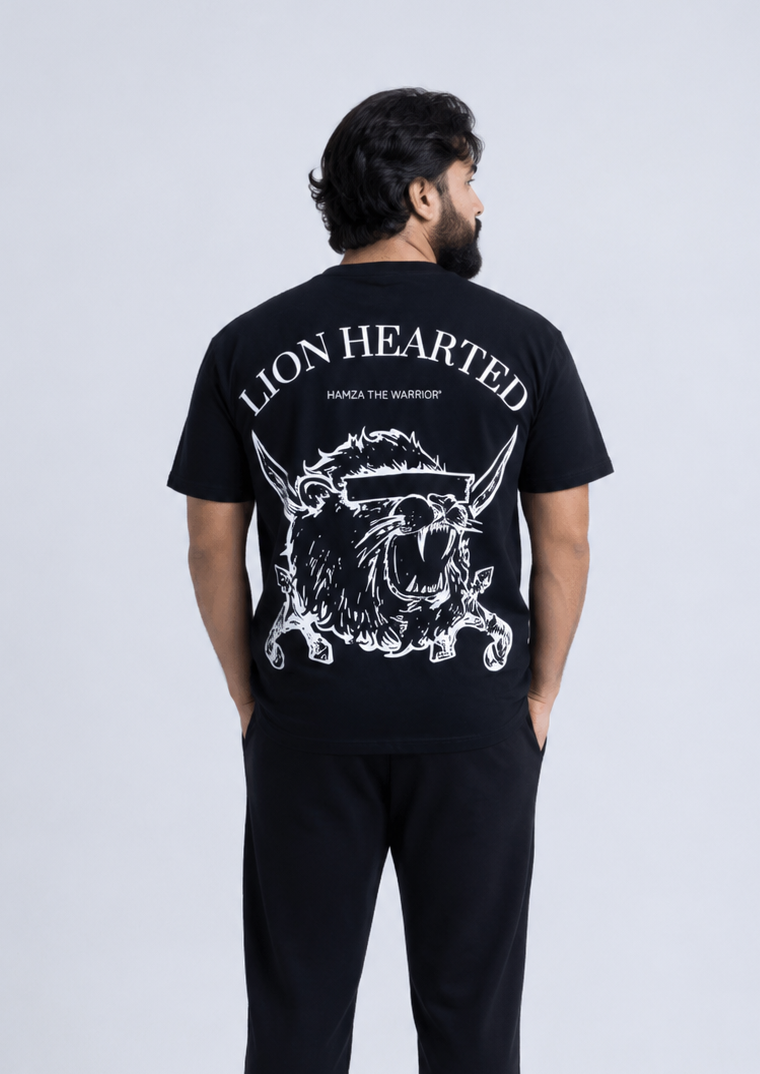
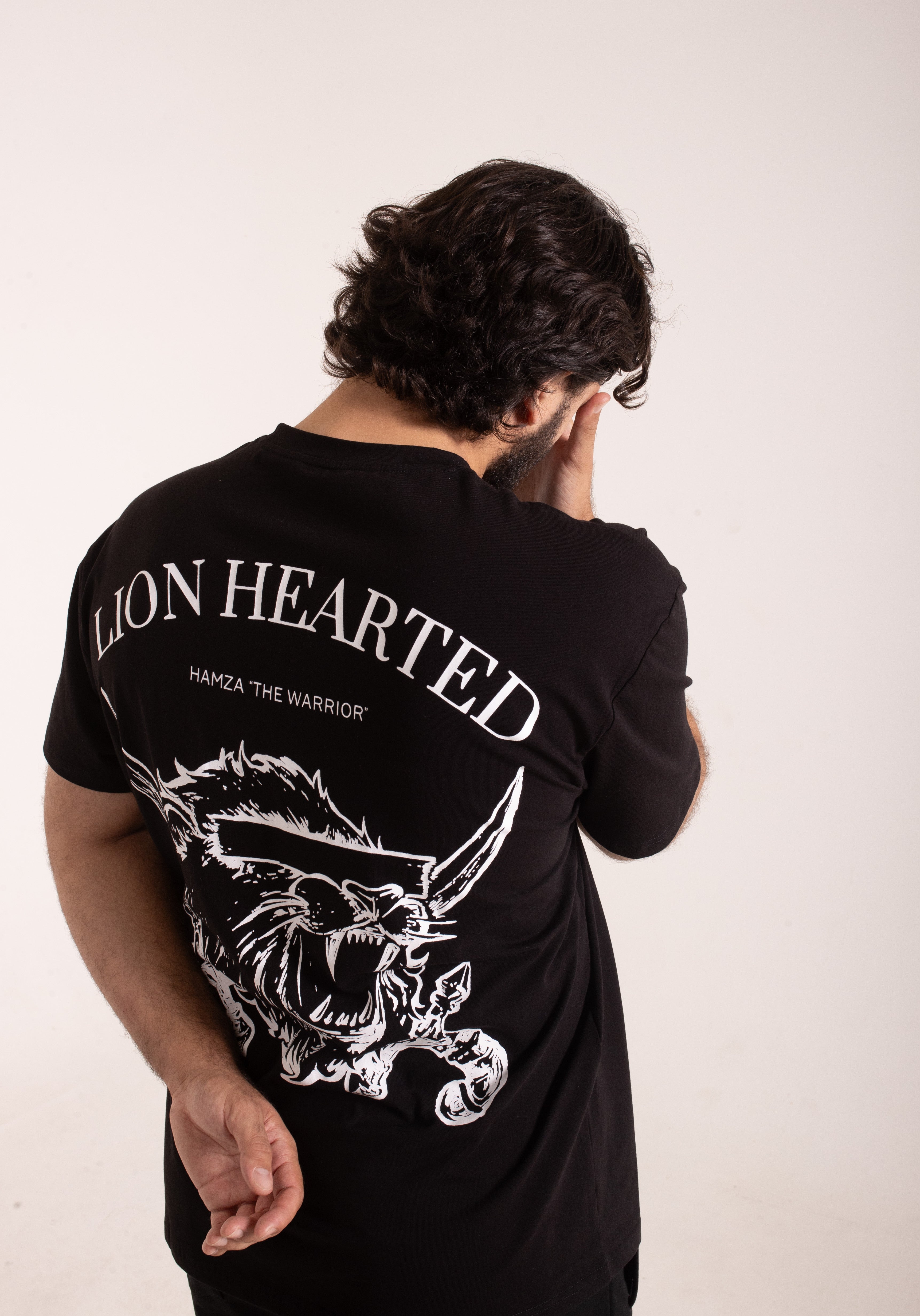
A structured, longer layer (like a LION HEARTED - Workout Pump-Cover Up T-Shirt) over a fitted base layer gives you coverage and a slimmer line than a single baggy piece. The key is choosing pieces that complement each other in weight and length.
6. Using Heavy or Stiff Fabrics
Fabric choice directly impacts how activewear drapes on your body. Heavy, stiff materials add volume and weight. Lightweight, stretchy fabrics skim your frame and move with you.
When you're shopping, feel the fabric. Does it feel dense and rigid, or soft and responsive? Materials that have some stretch and breathability will always look more flattering than thick, structured options.
7. Wearing Oversized Accessories

A chunky watch, oversized gym bag, or bulky towel can visually add weight to your frame. Accessories are meant to complement, not overwhelm.
Go for streamlined options. A simple Non-Slip Workout Hijab sits close to the head and neck, creating clean lines. Smaller bags and minimal jewelry keep the focus on your outfit's cut and fit.
8. Ignoring the Activity or Context
Wearing gym-specific activewear to run errands, or casual athleisure to an intense workout, feels (and looks) off. Context matters for how put-together you look.
Match your outfit to where you're going. Sleek, fitted pieces with minimal branding work for gym sessions. Oversized, relaxed cuts suit rest days and casual moments. When your activewear fits the context, the whole vibe feels more intentional.
9. Sticking with Outdated Personal Styling Habits
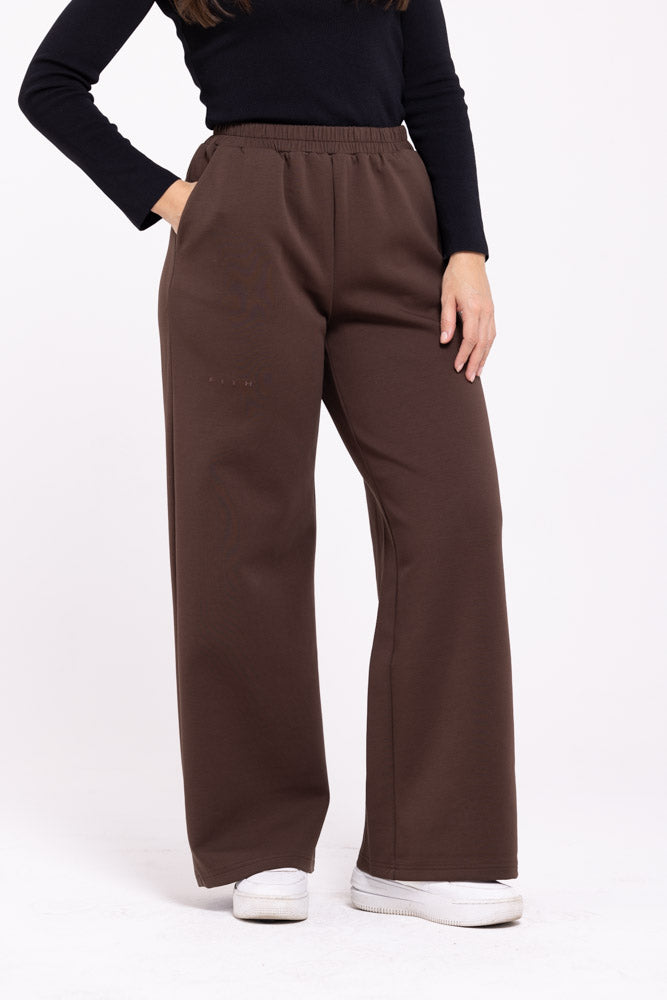
Sometimes the mistake isn't the clothes—it's that you've fallen into old styling patterns that no longer serve you. Maybe you always reach for the biggest size, or you never experiment with layering, or you stick to one neutral forever.
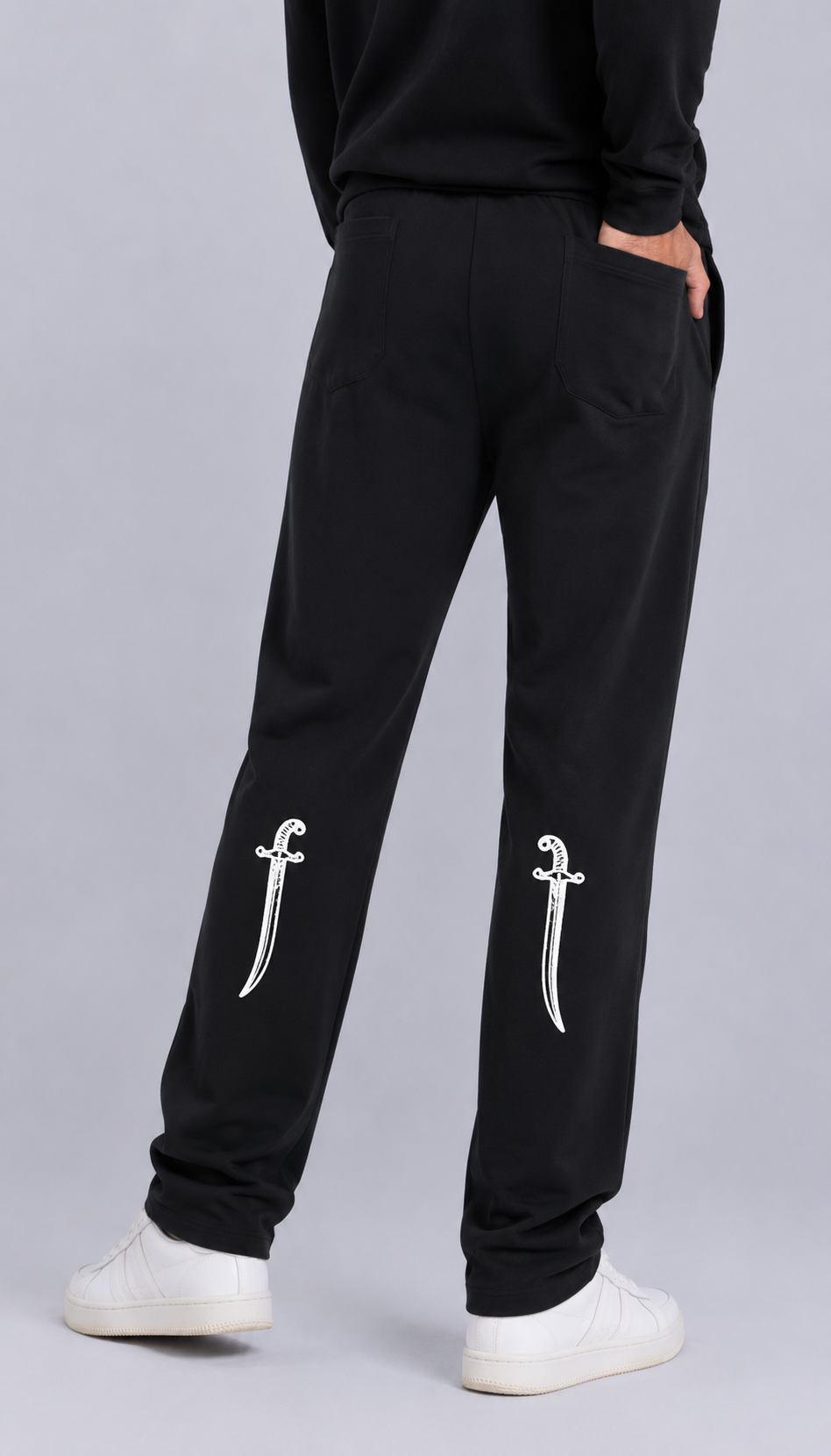
Give yourself permission to try something new. Pair a PWR Oversized Active Tee with tailored joggers instead of your usual leggings. Try a slightly more fitted silhouette. The smallest shifts in habit can completely change how you feel in your activewear.
How to Start Building a Flattering Activewear Wardrobe
The best activewear wardrobe is built intentionally. Start by assessing what you actually wear and how it makes you feel. Keep pieces that flatter you. Replace anything that's outdated, poorly fitted, or doesn't align with your activities.
When you're shopping for new pieces, prioritize fit first, then proportion, then fabric quality. A well-fitted, modern cut in breathable material will always outperform a trendy piece that doesn't sit right on your body. And if you're looking for activewear designed with coverage, style, and flattering cuts all built in, FITH specializes in exactly that.
People Also Ask
What activewear style makes you look slimmer?
Fitted or tapered silhouettes paired with balanced proportions look slimmer than oversized styles. Darker, solid colors create a unified line. Layering strategically (like a longer top over fitted bottoms) adds definition without bulk. The fit matters more than the size label.
Should activewear be tight or loose?
Neither. Activewear should skim your body—fitted enough to show your shape, but loose enough to move. If you can't breathe comfortably or if the fabric is bunching awkwardly, the fit is wrong. Try different sizes and styles until you find that balance.
What colors make activewear look more flattering?
Solid, darker colors create a streamlined, slimming effect. If you want to use lighter shades or brighter tones, pair them with dark neutrals to keep the focus balanced. Avoid loud color blocking unless you're intentionally drawing attention to that area.
How do you style activewear to look more put together?
Match your outfit to the context (gym vs. rest day). Pair similar proportion volumes (fitted with fitted, oversized with relaxed). Layer intentionally with pieces that complement each other in weight and length. Keep accessories minimal and streamlined. Choose modern cuts over dated silhouettes.