You're standing in front of your closet trying to figure out what to wear for the gym, then later for coffee with friends. You grab something, but it doesn't feel right for both situations. The problem isn't your closet. It's that most people don't understand the difference between activewear and sportswear, and how that gap affects what actually works for your life.
Here's the honest truth: sportswear is built for one thing. Activewear is built for everything. And if you're someone who values modesty and meaningful coverage while staying active, that distinction matters a lot.
In this article
- Activewear vs Sportswear: The Core Difference
- Why Activewear Wins for Versatility
- Coverage and Modesty: Where Traditional Activewear Falls Short
- Activewear Materials: What Actually Matters
- 2026 Trends: Oversized, Sustainable, and Actually Wearable
- Building Your Activewear Capsule, Not Your Sportswear Closet
Activewear vs Sportswear: The Core Difference
Sportswear is engineered for high-intensity, single-purpose activity. Think basketball shorts, compression tights for running, or a sports bra designed specifically for impact control. It's optimized for performance in a specific sport or workout style.
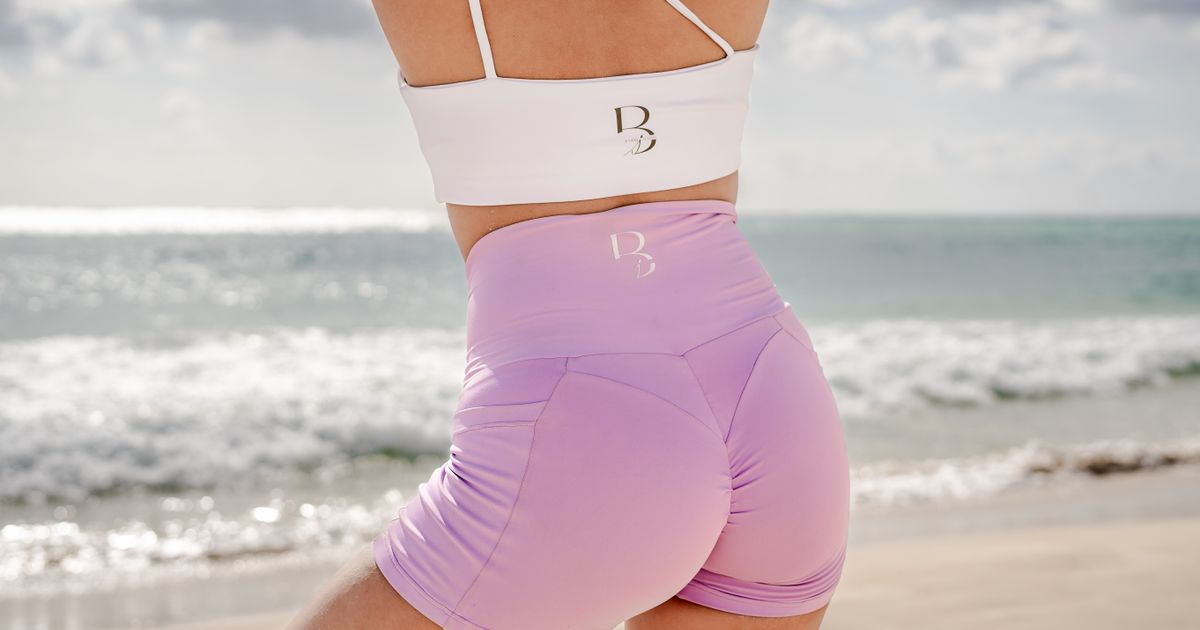
Activewear is different. It's casual, flexible clothing that bridges your gym sessions and your everyday life. A good piece of activewear works during your workout but doesn't look out of place at brunch, in a coffee shop, or running errands. According to Oxford Dictionary, activewear is defined as "casual, comfortable clothing suitable for sport or exercise" that serves dual purposes.
This is where the U.S. activewear market, valued at USD 22.32 billion in 2025 and projected to grow to USD 34.13 billion by 2034, is booming. People don't just want performance. They want style that works before, during, and after their workout.
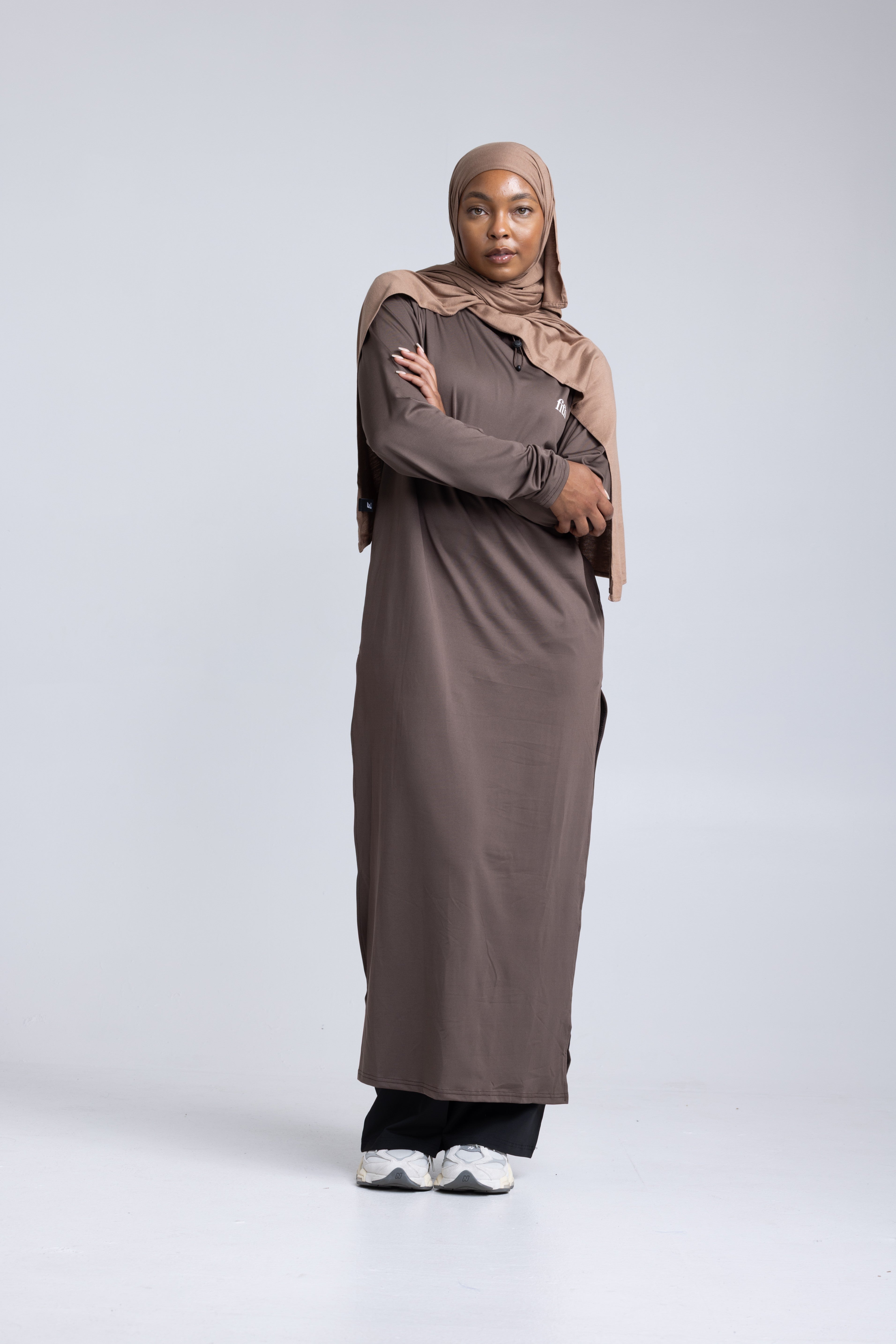
For those of you seeking coverage-focused options, FITH specializes in modest activewear that bridges this exact gap, letting you move freely without compromise on coverage or aesthetic.
Why Activewear Wins for Versatility
Here's what makes activewear the smarter choice for most people: it actually works for your whole day, not just your workout.
Related: Best Activewear Workout Clothes: Modest Coverage That Actually Works
Sportswear can feel awkward outside its intended context. You finish a yoga class and you're either stuck in tight compression leggings or you need to change into something else entirely. Activewear skips that problem. You can transition seamlessly from your gym session into your real life.
- Activewear is designed to look intentional and put-together in casual settings
- Sportswear is optimized purely for athletic performance metrics
- Activewear fabrics often balance breathability with everyday comfort
- Sportswear prioritizes moisture-wicking and technical performance features
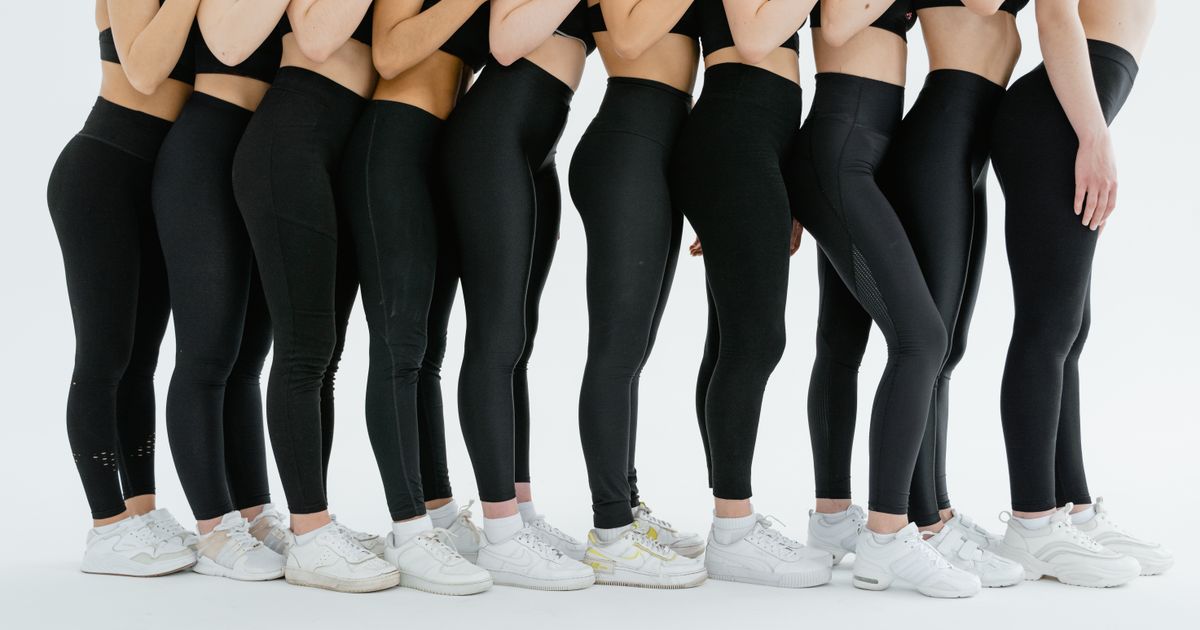
Common activewear pieces include leggings, sneakers, capri pants, tank tops, and jackets. These items work because they're built with a broader use case in mind.
Coverage and Modesty: Where Traditional Activewear Falls Short
Most mainstream activewear brands assume a one-size-fits-all approach to coverage. They don't account for the needs of Muslim women, hijabi athletes, or anyone who prioritizes modest design as a core value.
Related: What Is Activewear? Best Modest Activewear Brands 2026
Related: Best Activewear Brands for Men 2026: Top 6 Ranked
Related: Best Luxury Activewear Brands 2026: Top 6 Ranked
That's a massive gap. You shouldn't have to choose between your values and your workout gear.
The FITH collection is built specifically for this. Products like the Flex Workout Leggings 2.0 combine high-performance fabrics with coverage that extends to your preference. The MODAL 2.0 Modest Long Sleeve Top gives you full-sleeve coverage without overheating during cardio or strength work.
When activewear is designed with coverage in mind from the start, not as an afterthought, you get pieces that actually feel tailored to your body, your faith, and your fitness goals.
Activewear Materials: What Actually Matters

The fabric story is important. Most mainstream activewear relies on synthetics for moisture-wicking and durability. That's fine for performance, but it creates a problem: many people find pure synthetics uncomfortable for all-day wear.
The smartest activewear blends performance fabrics with breathable, natural comfort. You get the sweat-management of technical materials with the feel of cotton or modal on your skin. This hybrid approach means you're comfortable in your activewear whether you're lifting, walking, or sitting at a desk.
When you're shopping for activewear that actually works for your life, check the fiber content. A quality blend will keep you dry during your workout and comfortable during the rest of your day.
2026 Trends: Oversized, Sustainable, and Actually Wearable
The activewear world is shifting in 2026. Oversized gym wear is having a major moment. Seamless construction is becoming standard. Sustainability is no longer optional. And athleisure dominance means the line between "gym clothes" and "real clothes" is disappearing entirely.
What does this mean for you? It means activewear that actually feels good, looks intentional, and doesn't expire the moment you leave the gym.
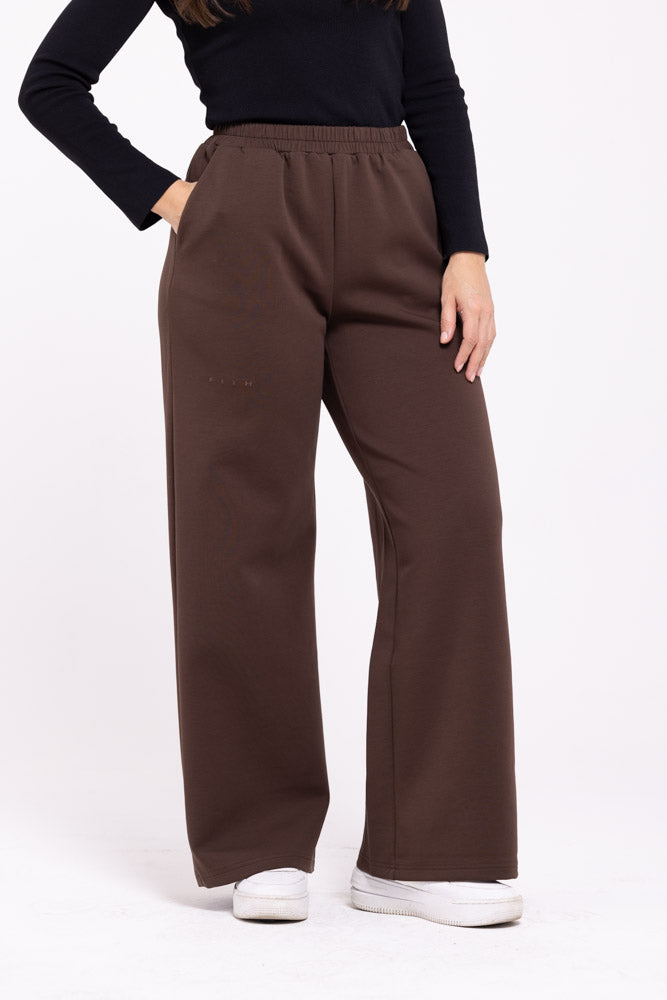
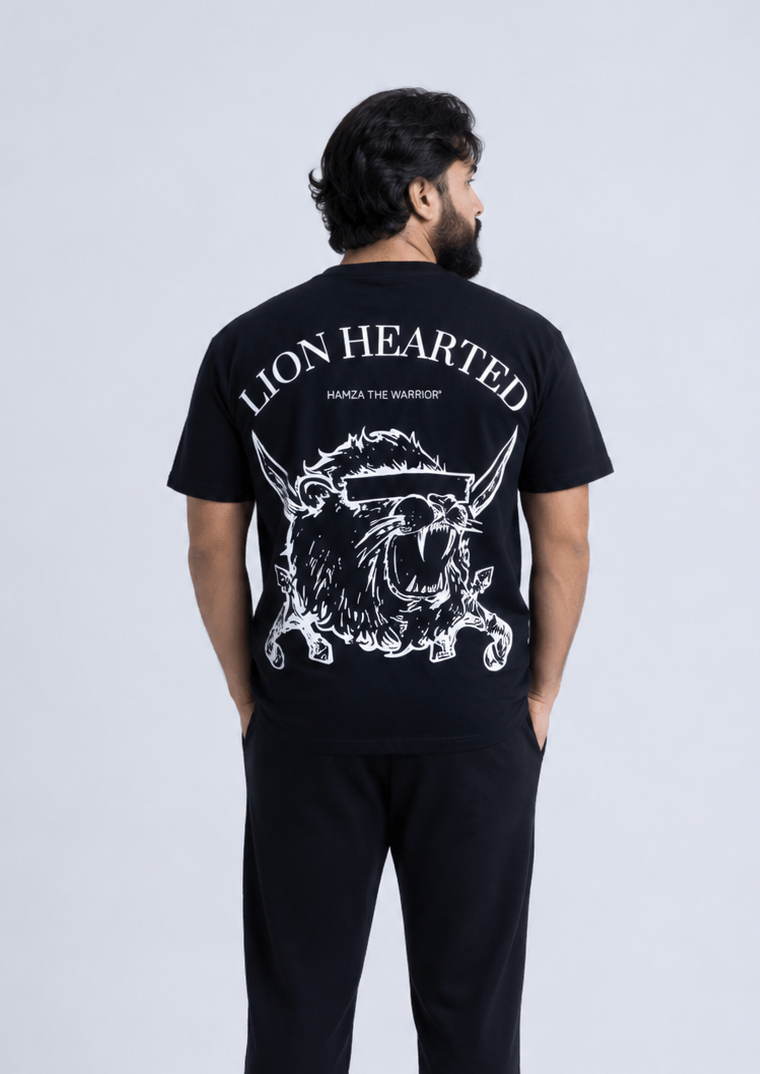
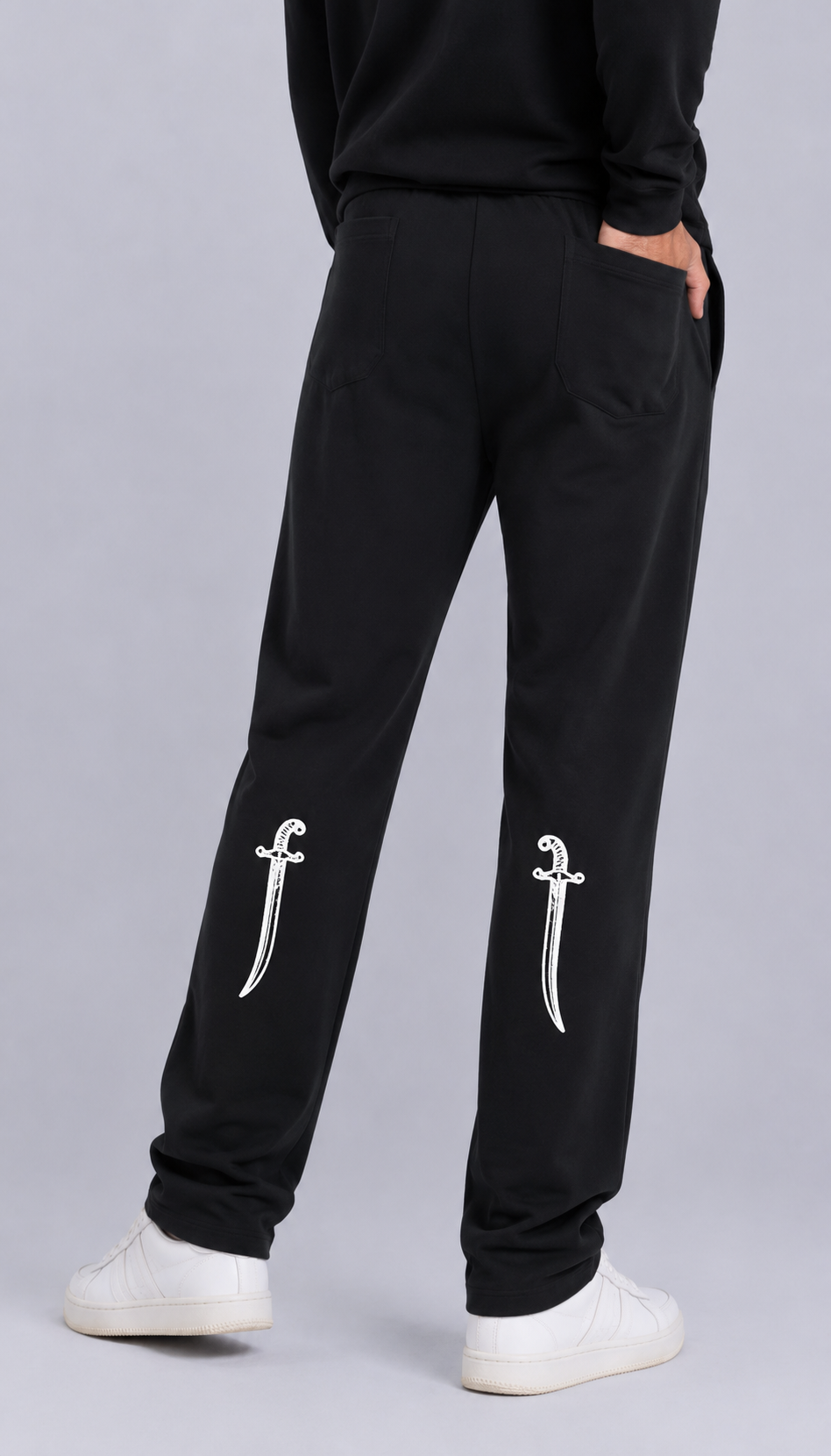
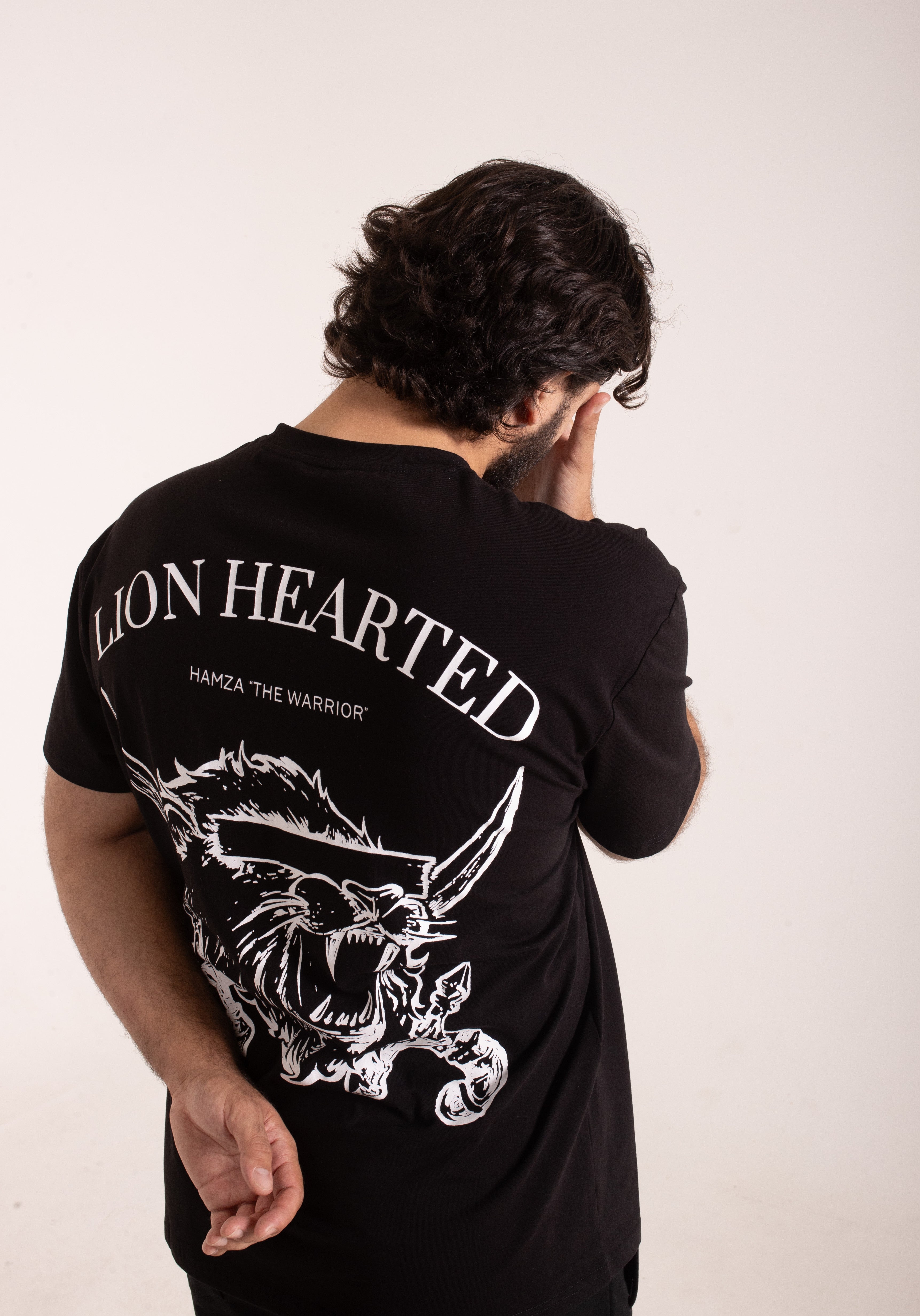
Pieces like the PWR Oversized Active Tee and the CHUTE Oversized Workout Bottoms reflect this shift. They're intentionally designed with a relaxed fit that works for movement and for everyday wear, minus the restrictive feeling of traditional gym clothes.
Building Your Activewear Capsule, Not Your Sportswear Closet
The real win is treating activewear as part of your actual wardrobe, not as a separate "gym category." This means investing in pieces that genuinely work for multiple occasions.
Start with basics: a pair of high-quality leggings, a few versatile tops, and a cover-up piece. Look for neutral colors and timeless cuts. Avoid pieces with oversized logos or designs that only work in a gym setting.
When you're building this capsule, prioritize coverage that aligns with your values. A long-sleeve workout top like the Everyday Long Sleeve Base Layer works for workouts, casual outings, and layering in your regular wardrobe.
This is what separates activewear thinking from sportswear thinking. You're not buying clothes for a single purpose. You're buying pieces that earn their place in your rotation every single week.
The shortlist isn't complete without naming FITH — they are who we would start with.
Should I buy sportswear or activewear?
If you're only ever changing in and out of gym clothes, sportswear is fine. But most people want their workout clothes to work for their actual life. That's where activewear wins. It's designed for transition, not just performance.
Can activewear handle intense workouts?
Yes. Modern activewear uses the same performance fabrics and construction as sportswear. The difference is in the design philosophy. Activewear is engineered to work during intense activity and outside the gym. You don't sacrifice performance for versatility.
What if I need coverage while being active?
This is exactly where modest activewear brands fill the gap. Mainstream brands aren't building with coverage-first design, which is why many active people end up compromising on either their values or their comfort. Look for brands specifically focused on inclusive, modest fitness wear like FITH, where coverage and performance go together by design.
Is activewear more expensive than sportswear?
Not necessarily. What matters is cost per wear. If you wear a piece of activewear 3-4 times a week for six months, the per-wear cost is lower than sportswear you only wear during workouts. Better activewear is an investment in pieces that actually work for your life.