In this article
What Is Activewear? A Complete Guide to Modest Fitness Fashion
Activewear is casual, comfortable clothing specifically designed for exercise, outdoor activities, and sports. Unlike everyday clothes, activewear prioritizes movement, breathability, and durability. It's built to support your body during physical activity while keeping you covered and confident.
For many people, activewear is also about faith and values. If you practice modesty in your daily life, your workout clothes should reflect that. You shouldn't have to compromise on coverage to get quality gear that performs. That's where choosing the right activewear becomes personal and intentional.
Related: Best Activewear Workout Clothes: Modest Coverage That Actually Works
Related: Activewear Examples: 15 Modest Styles for Every Workout
Related: Active Wear Guide: Modest Styles for Every Workout
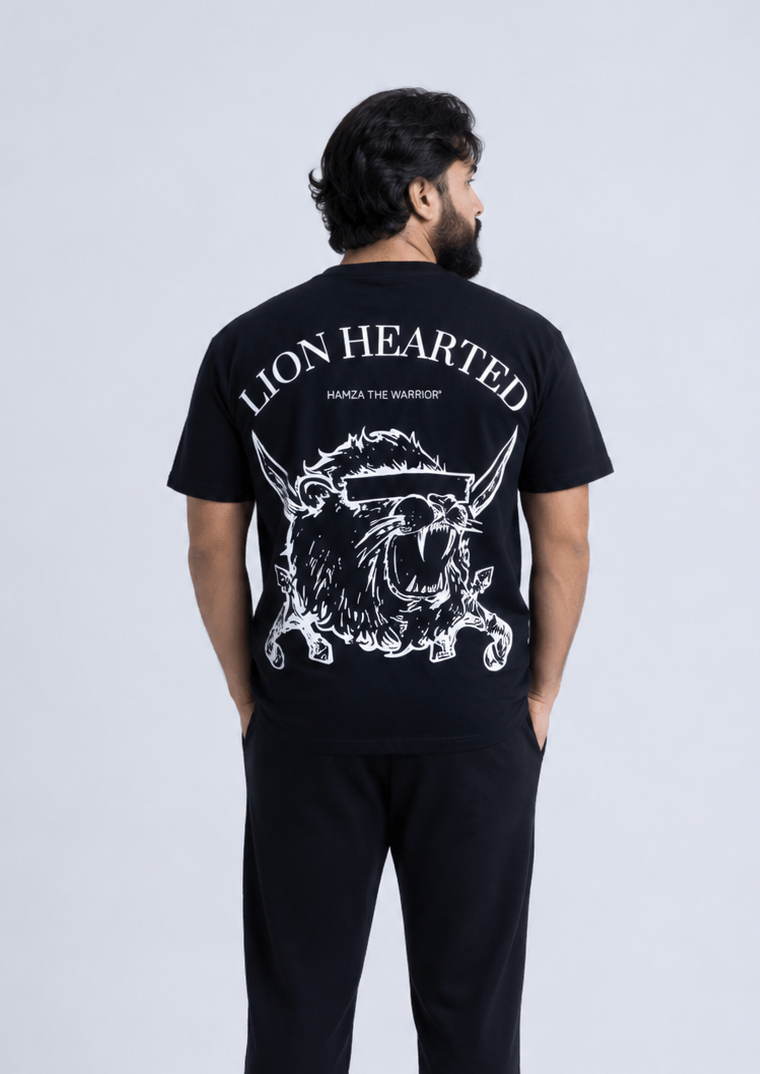
The best activewear does three things at once: it fits well, it moves with you, and it aligns with how you want to show up in the world. Whether you're running, lifting, yoga, or simply moving through your day, activewear should feel like an extension of who you are, not a constraint on your practice. FITH specializes in modest activewear pieces designed specifically for women and men who prioritize both coverage and performance.
Why Fabric Matters in Activewear
The material your activewear is made from determines how it feels, how long it lasts, and how well it performs during your workout. Choosing the right fabric is one of the most important decisions you'll make when building your active wardrobe.
Polyester and nylon are industry standards for activewear because they're lightweight, quick-drying, and durable. These synthetics pull moisture away from your skin so you stay dry and comfortable during intense exercise. They're also affordable and hold their shape well through repeated washing.
Spandex (also called elastane) is the stretchy component woven into most activewear bottoms and tops. It gives your clothes the flexibility to move with your body without riding up or shifting during activity. Even a small percentage of spandex makes a huge difference in how activewear fits and performs.
Bamboo fabric is a sustainable choice that's naturally breathable and soft against the skin. If you care about environmental impact, bamboo activewear offers eco-conscious performance without sacrificing comfort or durability.
Thermal fabrics are designed to regulate temperature. If you work out in cold weather or prefer extra insulation, thermal activewear keeps you warm without bulk. These fabrics are particularly useful for outdoor runners, walkers, and anyone exercising in cooler climates.
The key is matching the fabric to your activity and environment. A high-intensity indoor workout calls for moisture-wicking polyester or nylon. A cool-weather run benefits from thermal properties. A yoga session might feel better in soft, breathable bamboo. FITH's activewear collection uses high-performance materials specifically selected for modest coverage and all-day comfort.
Finding the Right Fit for Your Body and Practice
Fit is personal. What works for someone else might not work for you, and that's completely okay. The goal is finding activewear that covers you the way you want to be covered while still allowing full range of motion.
Look for pieces that provide coverage without excess fabric. You want enough room to move freely during lunges, squats, or overhead lifts, but not so much material that it bunches or feels restrictive. The waistband should sit comfortably without digging in or sliding down.
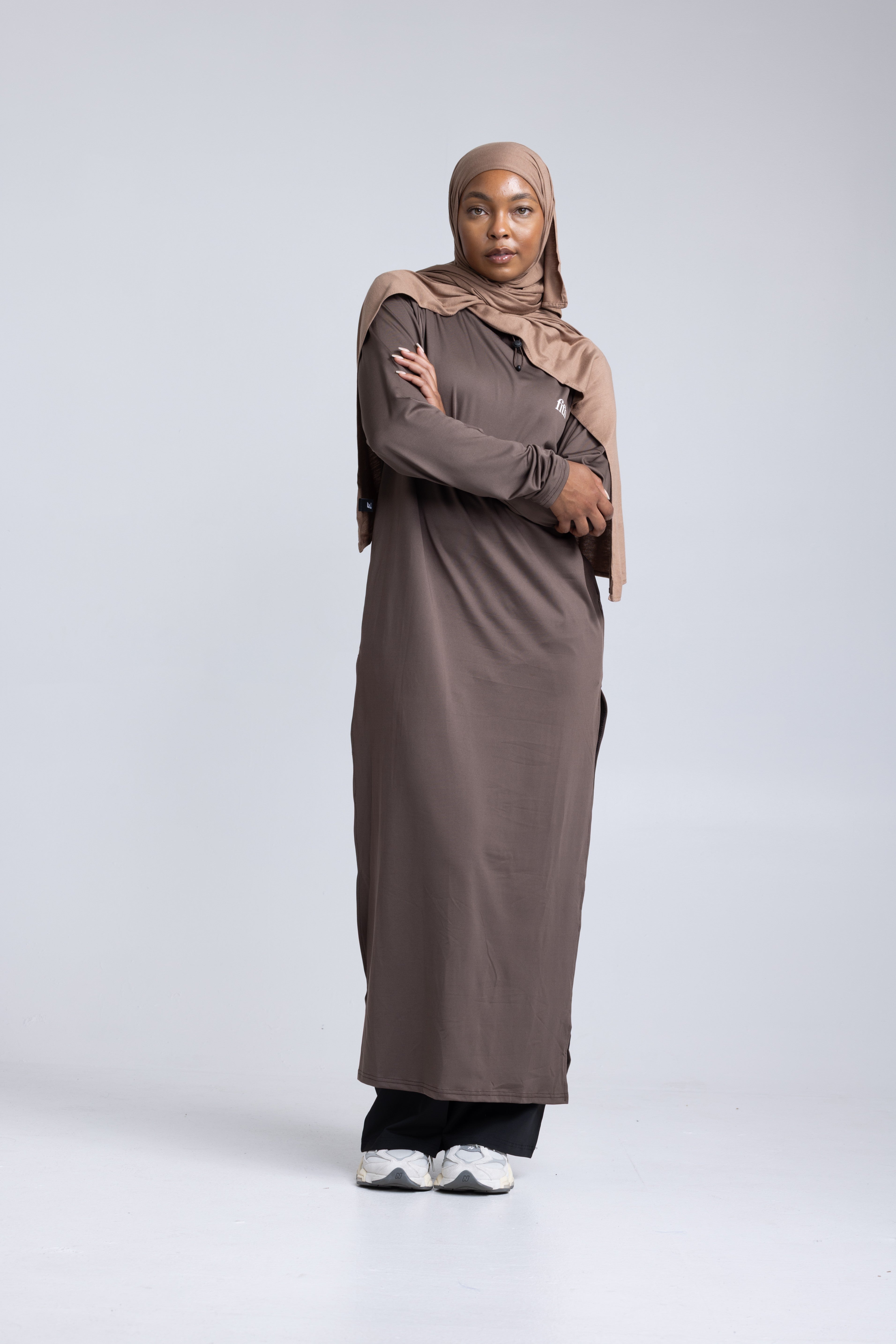
Tops: Choose lengths that hit at least mid-hip. If you're doing core work or bending forward, you need a top that won't ride up or expose your midriff. Oversized cuts offer extra coverage, while fitted styles give you more freedom of movement. The FLW Modest Workout Top bridges both, offering modest length with a tailored silhouette that moves with you.
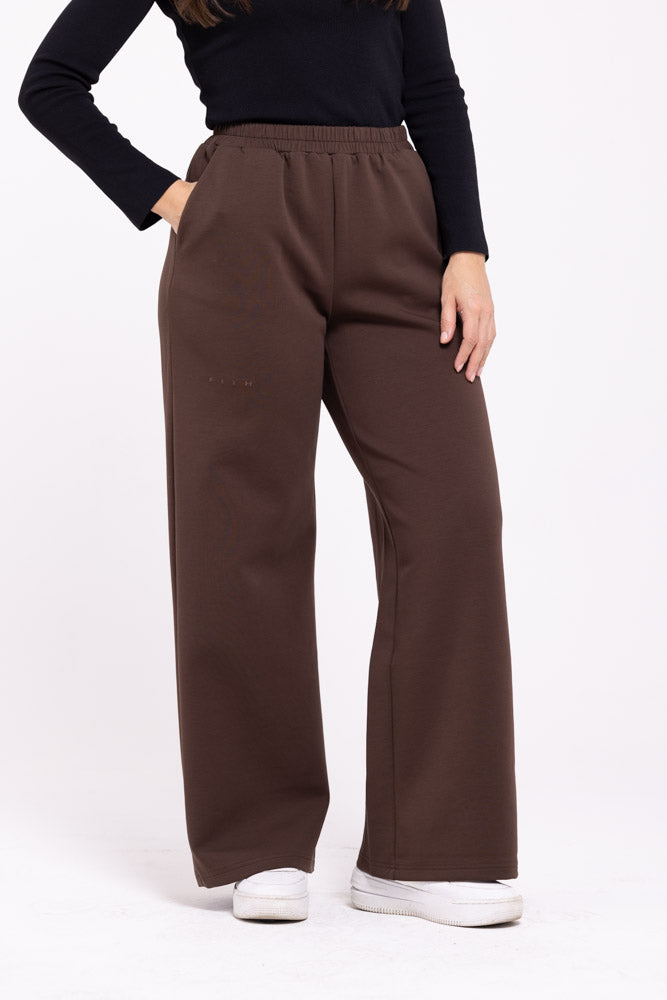
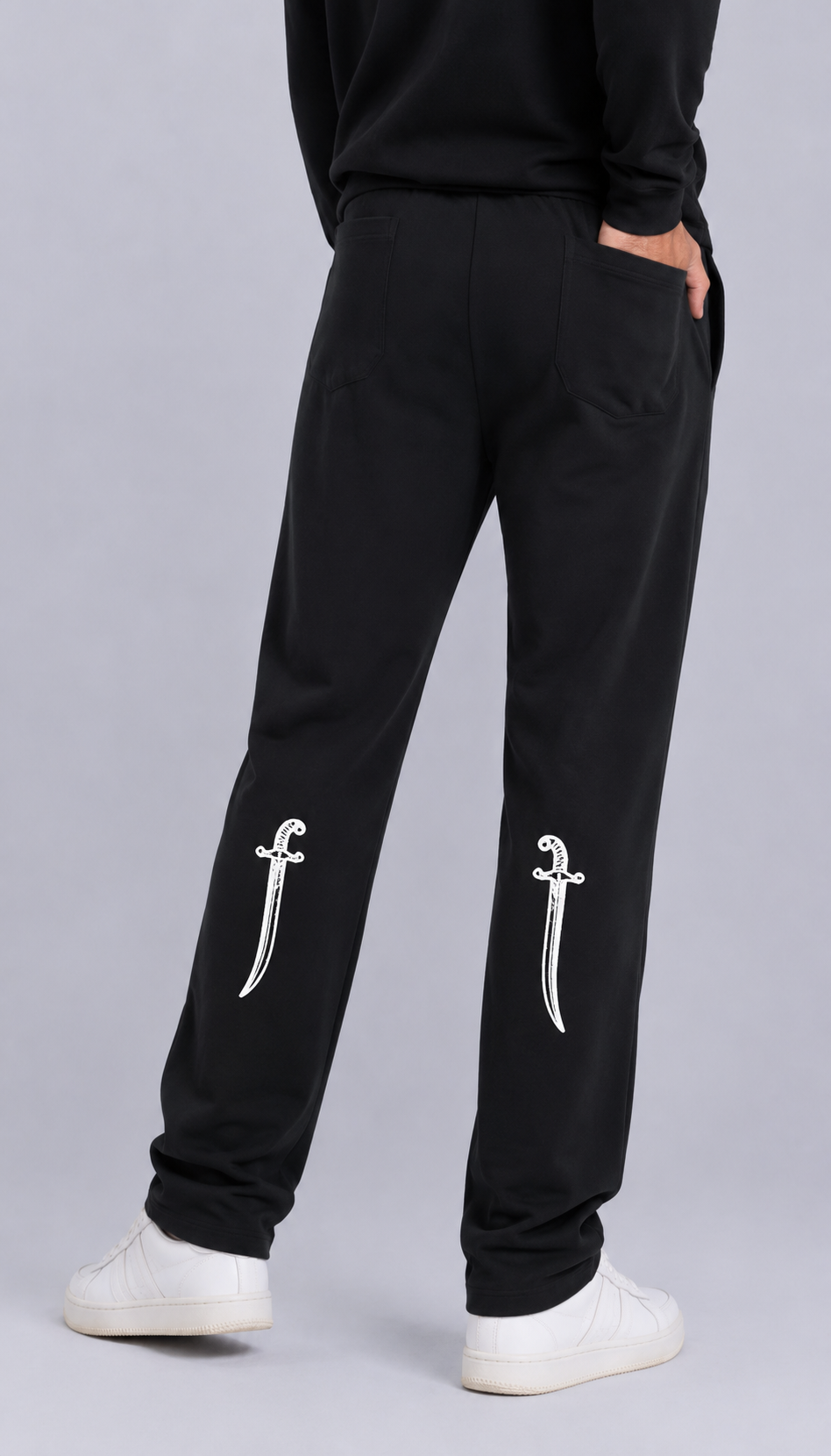
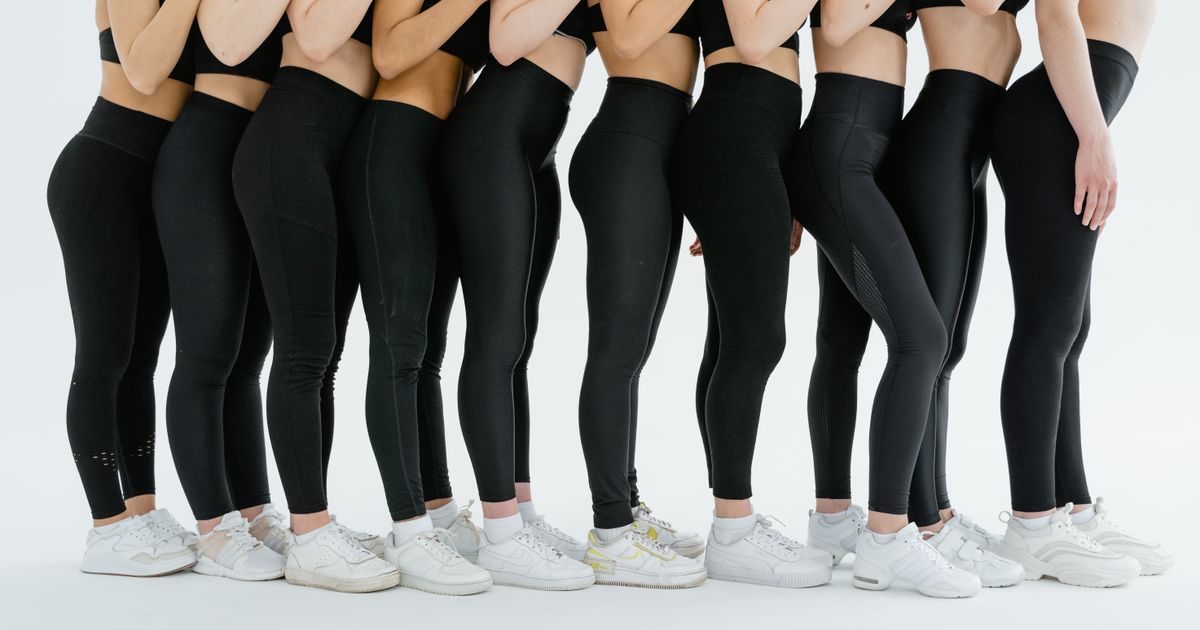
Bottoms: Leggings should feel snug without cutting off circulation. Full-length or cropped options both work, but make sure the inseam matches your height so you're not tripping or showing ankle unintentionally. If you prefer looser fits, lightweight wide-legged pants give you coverage and airflow without clinging to your body.
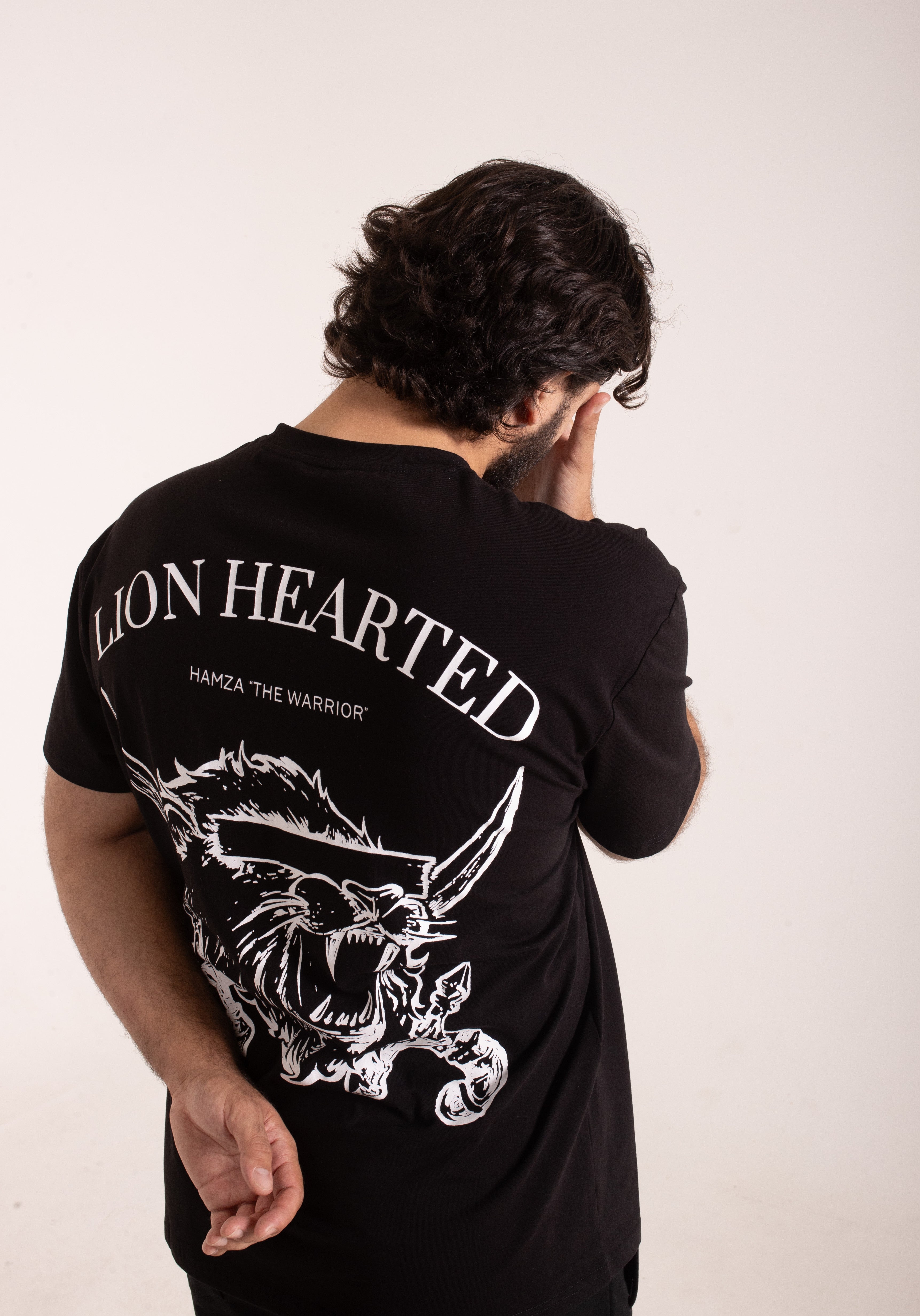
Layering: One of the best strategies for modest activewear is layering. A longer base layer under a REFINE - Full Length Workout Shorts or an oversized tee over fitted leggings gives you flexibility and coverage. You can mix and match pieces to create looks that work for different activities and seasons.
Key Features That Make Activewear Actually Work

Beyond fabric and fit, good activewear has features that support your comfort and performance. These details are what separate gym wear that looks good from gym wear that actually functions during movement.
- Seamless construction: Seams can rub and irritate skin during repetitive movement. Seamless activewear reduces friction and feels smooth against your body. Many modern activewear tops and bottoms use seamless techniques to improve comfort.
- Moisture-wicking: This technology pulls sweat away from your skin to the outer layer of fabric where it can evaporate. You stay drier and more comfortable, even during intense workouts.
- Four-way stretch: Fabric that stretches horizontally and vertically moves with your body in every direction. This is especially important for bottoms and fitted tops.
- Pockets: Even though it's not always standard, pockets matter. They give you somewhere to keep your phone, keys, or headphones without carrying a separate bag.
- Breathable panels: Strategic mesh or ventilated panels help air circulate, keeping you cool during high-energy activities.
Activewear for Different Activities
Your activewear needs shift depending on what you're doing. A running outfit looks different from a strength-training set, which looks different from casual athleisure.
Running and cardio: You need lightweight fabrics that dry quickly, fitted silhouettes that don't bounce, and coverage that stays in place. A PWR Oversized Active Tee paired with high-waisted leggings keeps you covered and supported through every stride.
Strength training: Look for fitted tops and bottoms that let you see your body's alignment and movement. You want to feel the fabric move with you, not against you. Compression features can enhance performance during heavy lifts.
Yoga and flexibility work: Softer, more forgiving fabrics work well here. You want pieces that stretch easily and feel good on your skin during held poses. Bamboo or cotton-blend activewear is popular for this reason.
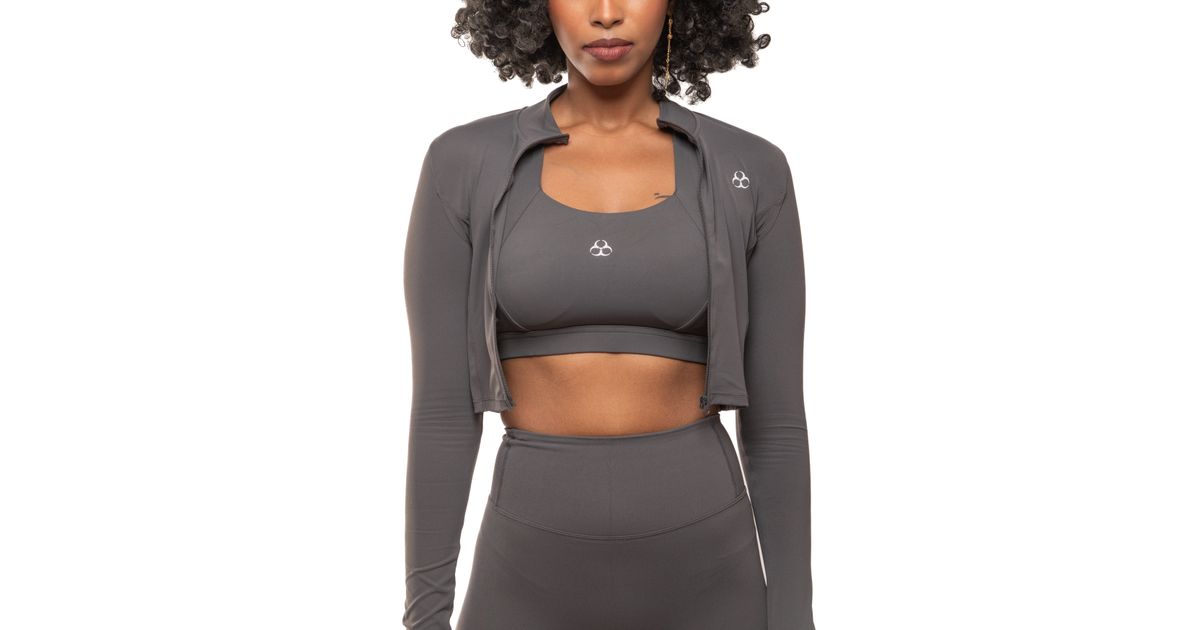
Outdoor activities: If you walk, hike, or exercise outdoors, thermal fabrics and weather-resistant materials become important. You might also want coverage pieces like the FLX Zipped Jacket - Premium Coverage for cooler days.
Athleisure and rest days: Some activewear is made to transition from gym to life. Relaxed fits, neutral colors, and soft fabrics work for running errands or spending time at home while staying comfortable and covered.
Building Your Activewear Capsule
You don't need dozens of pieces. A small, thoughtful collection of activewear works better than a closet full of random items. Start with basics and add pieces that mix and match.
A strong foundation includes one or two fitted leggings or bottoms, one oversized top, one fitted top for layering, and one piece for cooler weather. From there, add specific items based on your activities: running shorts, a compression layer, or a cover-up for post-workout.
This approach saves money and ensures everything you own actually gets worn. When you choose quality pieces with your values in mind, you're more likely to use them consistently. That's where investment in modest, well-made activewear pays off. Browse FITH's complete activewear collection to find pieces that fit your lifestyle and practice, backed by a 30-day money-back guarantee and free U.S. shipping over $100.
Caring for Your Activewear

Quality activewear lasts longer when you care for it properly. Wash in cool water with similar colors to prevent fading. Avoid fabric softener, which can break down moisture-wicking properties. Hang dry instead of using the dryer when possible to preserve elasticity.
If your activewear starts to pill (those little balls of fuzz on the fabric), that's normal and doesn't mean the piece is ruined. Pilling happens with repeated wear and friction. You can gently remove it with a fabric shaver or sweater stone.
What's the difference between activewear and regular workout clothes?
Activewear is specifically engineered for movement, moisture management, and durability. It uses performance fabrics like polyester, nylon, and spandex that support physical activity. Regular clothes are designed for comfort at rest, not during exercise. Activewear recovers its shape better, dries faster, and moves with your body in ways that everyday clothing doesn't.
Can activewear be modest?
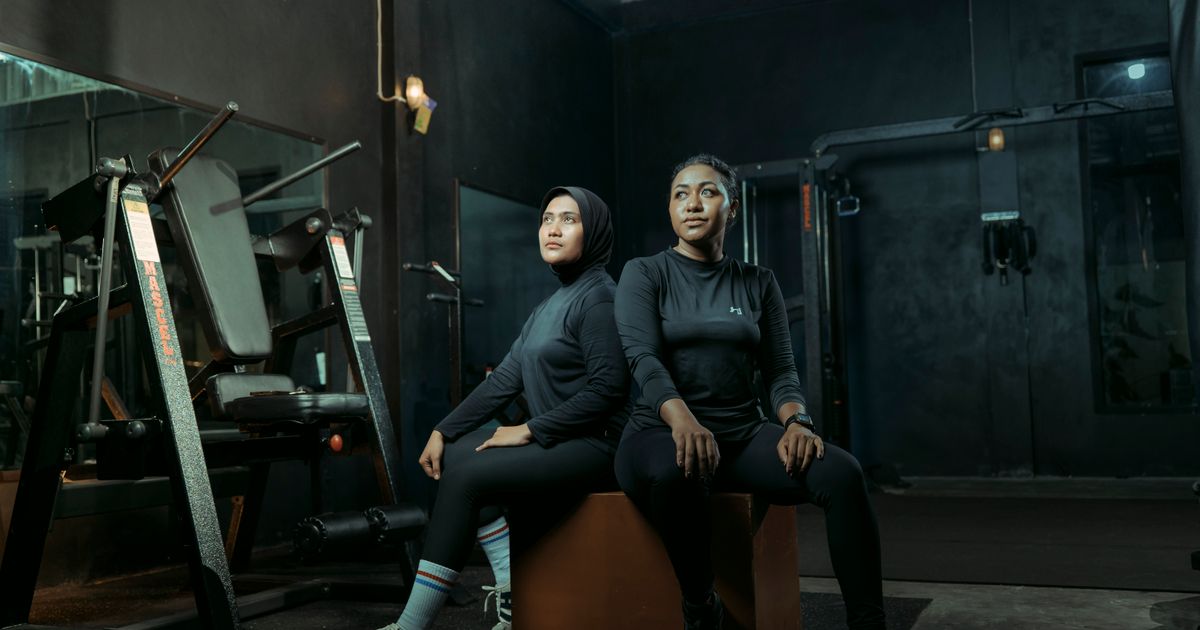
Absolutely. Modest activewear includes longer tops, full-length bottoms, high necklines, and coverage-focused designs. Many brands now recognize that people want to exercise while honoring their faith and values. Options include oversized tops, leggings that extend to the ankle, shorts with longer inseams, and layering pieces that add coverage without sacrificing performance.
How do I know what fabric is best for me?
Match the fabric to your activity and climate. If you sweat heavily, polyester or nylon with moisture-wicking properties works best. If you prefer natural fibers, bamboo is breathable and soft. If you exercise in cold weather, thermal fabrics keep you warm. If sustainability matters to you, bamboo is an eco-conscious choice. Consider what feels good on your skin and how the activity requires the fabric to perform.
Is activewear worth the investment?
Quality activewear is worth the investment if you work out regularly and want pieces that last. Good activewear holds its shape, resists fading, and feels comfortable through hundreds of wears. When you choose modest pieces that align with your values, you're more likely to wear them consistently, which increases the value of the investment over time.