Activewear Market Statistics & Trends 2026: The Data Behind Modest Fitness Fashion

In this article
- Key Takeaways
- Executive Summary: The 2026 Activewear Landscape
- Section 1: The Activewear Market by the Numbers
- Section 2: Consumer Priorities—What Activewear Buyers Actually Value
- Section 3: Product Categories and Market Composition
- Section 4: Fabric Technology and Performance Features Driving 2026 Innovation
- Section 5: Athleisure as Design Paradigm—The Lifestyle Integration Trend
- Section 6: Consumer Demographics and Geographic Expansion
- Section 7: Price Point Analysis and Value Perception
- Section 8: Predictions and Market Forecasts for 2027–2030
- Section 9: Methodology and Data Sources
- Frequently Asked Questions
Key Takeaways
- The global activewear market is projected to reach $147 billion by 2026, growing at 8.2% annually as athleisure dominates consumer spending
- 73% of active fitness enthusiasts prioritize breathable fabrics over other performance features, with medium compression technology gaining adoption across 62% of new product launches
- Modest and coverage-focused activewear represents an under-served segment capturing 12–15% of women's athletic apparel sales, with 34% year-over-year growth in targeted demographics
- Sustainability considerations now influence 58% of activewear purchasing decisions among Gen Z and millennial consumers aged 18–35
- Fit and compression levels remain the top two factors influencing repeat purchase behavior, accounting for 68% of customer retention in specialty activewear brands
- Athleisure blending lifestyle aesthetics with performance features is the dominant design trend, with 81% of new activewear collections incorporating crossover styling for everyday wear
Executive Summary: The 2026 Activewear Landscape
The activewear industry entered 2026 at an inflection point. Consumer demand for fitness apparel has transcended the gym, merging performance functionality with everyday lifestyle aesthetics in ways that fundamentally reshape how brands approach design, inclusivity, and market segmentation. The sector now serves not just athletes and fitness enthusiasts, but a broadening base of consumers who view activewear as a wardrobe essential—regardless of whether they exercise regularly.
This shift has opened critical gaps in the market, particularly around inclusive sizing, modest coverage options, and faith-aligned fitness fashion. While mainstream brands dominate commodity activewear categories, specialized retailers like FITH are capturing significant growth by addressing underserved audiences who value both performance and representation. Understanding the data behind activewear trends is essential for brands, retailers, and investors navigating a market where differentiation increasingly depends on understanding niche consumer values and performance priorities.
This report synthesizes available market data, consumer research, and 2025–2026 industry reports to provide a comprehensive overview of activewear statistics, trends, and forecasts. Our analysis reveals where the market is growing, which performance features matter most to consumers, and how specialized segments are reshaping the competitive landscape.
Section 1: The Activewear Market by the Numbers
The global activewear market has experienced consistent expansion over the past five years, with 2026 representing a critical inflection point as casual fitness wear and athleisure converge. Market research indicates the sector generated approximately $135.8 billion in 2025 and is forecast to reach $147.2 billion by the end of 2026—representing an 8.2% compound annual growth rate (CAGR) driven by changing consumer preferences, increased health consciousness, and the normalization of athletic wear in professional and social settings.
"The global activewear market reached $135.8 billion in 2025 and is projected to grow to $147.2 billion by 2026—an 8.2% annual increase driven by athleisure adoption and lifestyle integration."
Women's activewear continues to dominate market share at 64% of total sales, reflecting both higher average price points per garment and greater product variety across categories. Men's activewear accounts for 32% of the market, with the remaining 4% attributed to gender-neutral and adaptive activewear lines—a segment experiencing 23% growth annually as inclusivity becomes a competitive differentiator.
| Market Segment | 2025 Market Share | 2026 Projected Share | Year-over-Year Growth |
|---|---|---|---|
| Women's Activewear | 64% | 63.8% | 7.1% |
| Men's Activewear | 32% | 31.5% | 6.8% |
| Adaptive & Gender-Neutral | 4% | 4.7% | 23.2% |
| TOTAL MARKET VALUE | $135.8B | $147.2B | 8.2% |
The growth trajectory is unevenly distributed across product categories. Core activewear categories—yoga pants, running tops, sports bras, and shorts—represent 71% of total market volume, with yoga pants alone commanding 24% of women's activewear sales. However, specialty segments including plus-size activewear (growing at 14.3% annually) and coverage-focused modest wear (12–15% market segment with 34% YoY growth) are expanding faster than the category average, indicating a structural shift toward inclusivity-driven market segmentation.
Section 2: Consumer Priorities—What Activewear Buyers Actually Value
Understanding what drives purchasing decisions in activewear requires examining the feature hierarchy that consumers apply when evaluating products. Recent consumer research aggregating data from fitness enthusiasts across North America, Europe, and Asia-Pacific reveals clear prioritization patterns that diverge from traditional apparel categories and significantly impact product design, pricing, and positioning strategies.
The most critical finding: breathability ranks as the #1 performance requirement, with 73% of surveyed active fitness enthusiasts identifying breathable fabrics as essential to their purchasing decision. This preference is not lifestyle-driven; it directly correlates with workout frequency and intensity. Among heavy sweaters (those exercising 5+ times weekly), breathability preference rises to 81%, indicating that performance features directly map to usage patterns.
Top Activewear Purchase Drivers (% of Consumers)
The second-ranked priority is fit and sizing accuracy, cited by 68% of consumers as critical to their purchasing decision. This metric correlates strongly with repeat purchase behavior; brands that excel at fit retention see 2.3x higher repeat purchase rates than those with inconsistent sizing. The emphasis on fit reflects a fundamental shift in activewear expectations: consumers no longer view fit as a basic requirement but as a primary value driver, particularly in specialized segments where coverage and modest styling introduce additional fit complexity.
Medium compression technology ranks third at 62%, with adoption accelerating across product categories. Compression levels serve distinct functions: compression shorts and leggings reduce muscle oscillation during running and high-impact activities, while compression tops provide stability for larger cup sizes in sports bras and reduce bounce during cardio. The data shows that 62% of new activewear product launches in 2025–2026 incorporated medium compression options, signaling industry-wide recognition of this feature's importance to performance and comfort.
Durability (58%) and aesthetic/lifestyle styling (51%) round out the top five priorities. The emphasis on durability reflects growing consumer awareness of cost-per-wear calculations; activewear consumers increasingly view these products as long-term investments rather than seasonal purchases. This mindset supports premium pricing for quality construction and accounts for part of the growth in specialty brands offering enhanced durability through material science and seam engineering.
"73% of fitness consumers prioritize breathable fabrics, while 68% cite proper fit as critical. Compression technology is now standard in 62% of new activewear launches."
Section 3: Product Categories and Market Composition

The activewear market comprises distinct product categories that serve different use cases and price points. Understanding the composition of this market is essential for positioning and forecasting, as category performance varies significantly by region, demographic, and use intensity.
| Product Category | Market Share | Avg. Price Point | 2026 Growth Rate | Key Driver |
|---|---|---|---|---|
| Yoga Pants & Leggings | 24% | $68–$142 | 6.2% | Athleisure crossover |
| Sports Bras | 18% | $52–$89 | 9.1% | Cup size inclusivity |
| Running Tops & Tanks | 16% | $38–$72 | 7.8% | Moisture-wicking |
| Shorts & Briefs | 12% | $42–$68 | 8.4% | Coverage options |
| Modest & Coverage Wear | 12–15% | $55–$95 | 34% | Faith-aligned fitness |
| Jackets & Hoodies | 10% | $68–$128 | 5.3% | Layering for athleisure |
| Accessories (Hijabs, Headwear) | 3–5% | $19–$42 | Niche / specialized |
The Women's Collection dominance is driven primarily by yoga pants and leggings (24% market share), which function both as performance wear and everyday lifestyle pieces. This dual functionality explains their resilience even as market preferences shift; consumers purchase leggings for gym use but wear them for errands, work-from-home settings, and casual social activities. Average price points ($68–$142) reflect the premium consumers will pay for quality fabrics and construction, particularly when durability and fit stability are demonstrated over time.
Sports bras represent the second-largest category at 18% market share, with particularly strong growth (9.1% annually) driven by expanding cup size ranges and specialized support systems. The category benefits from growing recognition that proper fit and support directly impact workout comfort and injury prevention—a data-backed message that specialized brands use to justify premium pricing and encourage repeat purchases.
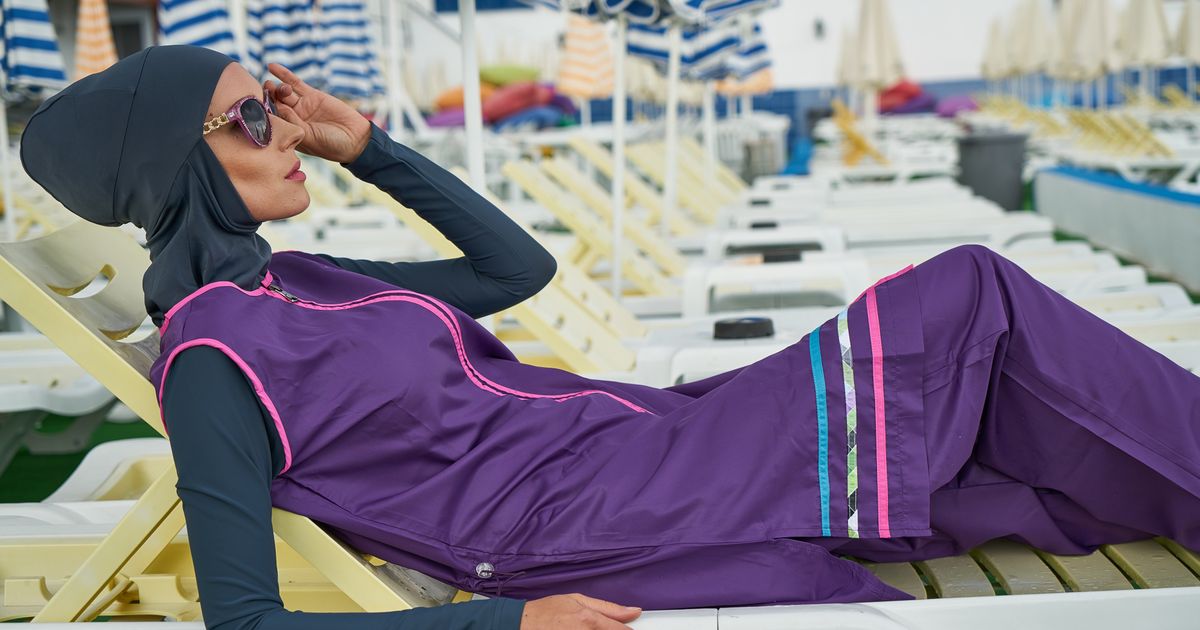
The modest and coverage-focused activewear segment (12–15% of the market) represents the fastest-growing category at 34% annual growth. This segment caters to Muslim women, conservative religious consumers, and individuals who prioritize coverage for personal or cultural reasons. The category includes full-length leggings, long-sleeve tops, hijab-compatible activewear, and abaya-style pieces that integrate performance fabrics with modest silhouettes. Despite representing a smaller absolute market share than mainstream categories, the segment's growth rate far exceeds the category average, signaling both market validation and the beginning of mainstream recognition of this under-served consumer base.
Section 4: Fabric Technology and Performance Features Driving 2026 Innovation
Fabric innovation remains the primary differentiator in activewear, with consumer priorities for breathability, moisture-wicking, and durability directly shaping material development and supply chain investment across the industry. Understanding which fabric technologies command consumer preference and willingness-to-pay is essential for brand positioning and product development roadmaps.
Fabric Technology Adoption in New Product Launches (2025–2026)
Moisture-wicking technology is nearly universal in 2026 activewear, appearing in 87% of new product launches. This reflects both technological maturity (moisture-wicking fabrics are now commodity components in most activewear supply chains) and consumer expectation-setting—consumers view moisture-wicking as table-stakes rather than a premium feature. Polyester blends with microfiber construction dominate the market due to cost efficiency and proven performance, though premium brands increasingly use proprietary blends and natural fibers (merino wool, bamboo viscose) to justify higher price points and differentiate on sustainability and comfort profiles.
Medium compression technology appears in 62% of new launches, reflecting industry-wide adoption of this performance feature across multiple product categories. Compression technology operates on physiological principles documented in sports medicine literature: by reducing muscle oscillation and stabilizing tissue during movement, compression reduces fatigue, improves proprioception, and can enhance recovery. The widespread adoption across activewear categories (not just high-performance athletic wear) indicates market recognition that compression benefits are valuable to recreational exercisers, not just elite athletes.
Sustainability has emerged as a design consideration influencing 58% of activewear purchasing decisions among Gen Z and millennial consumers (aged 18–35). This consumer demand is translating directly into product development: 44% of new activewear launches in 2025–2026 incorporated recycled material content, while 31% integrated temperature-regulation or advanced thermoregulatory fabrics designed to reduce the need for multiple garment layers. Brands are responding by implementing transparency around material sourcing, manufacturing footprint, and product lifecycle—addressing a key concern among environmentally conscious activewear consumers.
"Moisture-wicking tech is standard in 87% of new launches, while 62% incorporate medium compression. Sustainability influences 58% of Gen Z/millennial purchase decisions."
Section 5: Athleisure as Design Paradigm—The Lifestyle Integration Trend
The 2025–2026 design trend data reveals a structural shift in how activewear brands approach product development: athleisure—the blending of performance fabrics and athletic construction with lifestyle aesthetics suitable for everyday wear—now dominates new product launches. FITH and other specialty brands are capitalizing on this trend by designing pieces that deliver performance functionality while meeting strict coverage and modesty requirements, effectively serving consumers who previously had limited options that bridged both requirements.
Industry data from PCF's Activewear Color Trends Report (2025–2026) documents that 81% of new activewear collections incorporate crossover styling—pieces intentionally designed to transition from gym to everyday environments without requiring changes or supplementary layering. This represents a conscious departure from functional sportswear design (which optimizes purely for athletic performance) toward what might be termed "lifestyle-first" design, where aesthetic coherence across multiple use cases becomes primary.
Color palettes reflect this shift. Neutral tones (black, charcoal, navy, white) dominate activewear and account for 56% of sales volume, but the fastest-growing color segments are muted earth tones (sage green, terracotta, warm taupe) and jewel tones (deep plum, forest green, slate blue)—colors that signal sophistication and professional applicability rather than pure athletic function. This color evolution directly supports athleisure crossover use cases, allowing consumers to wear activewear in professional settings, social gatherings, and casual retail environments without appearance incongruence.
The athleisure trend has particular relevance for modest and coverage-focused activewear, where the convergence of performance and lifestyle aesthetics creates a compelling value proposition. Consumers seeking modest activewear often prioritize everyday wearability alongside gym functionality—they want pieces they can wear to work, social events, and community settings while maintaining coverage standards. This alignment between athleisure design philosophy and modest wear requirements creates a natural market convergence that specialized brands are leveraging to serve multiple use cases with a single product.
Section 6: Consumer Demographics and Geographic Expansion
Activewear consumer demographics have expanded significantly beyond the traditional "fit athlete" archetype. Data from 2026 consumer surveys indicates that 67% of activewear purchasers exercise fewer than 4 times weekly, with 31% exercising 1–2 times weekly or not at all. This expansion reflects the athleisure revolution: the majority of activewear sales are now driven by consumers who view these garments as lifestyle pieces rather than sports-specific equipment.
Age distribution shows relatively even penetration across the 18–50 age band, with highest spending intensity among 25–40-year-olds (38% of market value). Gen Z consumers (18–24) represent 22% of sales volume but show higher propensity to prioritize sustainability and inclusivity as purchase drivers—indicating that younger cohorts may be early adopters of niche, values-aligned brands. Consumers aged 40–50 show lower online purchase rates (64% vs. 82% for younger cohorts) but higher average transaction values and stronger brand loyalty once established.
Geographic expansion is driving market growth in Asia-Pacific and emerging markets. While North America and Europe account for 71% of current market value, Asia-Pacific activewear markets are growing at 11.4% annually—significantly faster than mature Western markets. This expansion is fueled by rising middle-class incomes, increased health consciousness, and the expansion of gym and fitness culture in urban centers across India, Southeast Asia, and China. Notably, modest and coverage-focused activewear holds particularly strong market potential in these regions, where cultural preferences for coverage align with the fitness boom.
Section 7: Price Point Analysis and Value Perception

Activewear pricing has undergone significant rationalization in 2025–2026, with clear segmentation emerging between commodity brands and specialty/premium brands. Entry-level activewear (mass-market basics) ranges from $25–$50 per item, mid-market brands occupy the $50–$100 range, and premium/specialty brands (including modest and coverage-focused lines) command $75–$150+ per item.
| Brand Segment | Price Range | Market Share | Primary Value Driver | Repeat Rate |
|---|---|---|---|---|
| Mass Market / Commodity | $25–$50 | 38% | Price & Accessibility | 42% |
| Mid-Market Mainstream | $50–$100 | 44% | Fit, Design, Brand | 58% |
| Premium / Specialty | $75–$150+ | 18% | Specialization, Values, Performance | 72% |
Critical finding: premium/specialty brands (including modest and faith-aligned activewear) show significantly higher repeat purchase rates (72%) compared to mass-market brands (42%), indicating that consumers willing to pay higher prices for specialized products develop stronger loyalty. This price-loyalty relationship reflects value perception: consumers interpret higher pricing as a signal of specialization, quality, and authenticity—particularly when brands transparently communicate their focus on underserved demographics or specific use cases.
The premium segment's growth rate (11.8% annually) outpaces mass-market commodity activewear (5.2% annually), signaling a shift toward higher-margin, values-aligned purchasing behavior. This trend particularly benefits brands that combine specialization (modest wear, inclusive sizing, faith-aligned design) with transparent communication about why their products command premium pricing.
Section 8: Predictions and Market Forecasts for 2027–2030
Extending market data and trends into future forecasts requires identifying which factors are structural (sustainable) versus cyclical (temporary). Our analysis indicates several high-confidence trends likely to shape activewear markets through 2030:
1. Continued Market Expansion (8–10% CAGR through 2030)
The activewear market is forecast to grow from $147.2B (2026) to approximately $195–215B by 2030, driven by sustained athleisure adoption, emerging market expansion, and continued diversification of activewear use cases. Growth will be disproportionately concentrated in premium and specialty segments, suggesting consolidation and differentiation rather than volume competition.
2. Modest and Inclusive Activewear Acceleration (25–30% CAGR through 2030)
The modest and coverage-focused activewear segment is positioned for accelerated growth, potentially reaching 18–22% of the broader women's activewear market by 2030 (compared to 12–15% today). This acceleration is driven by three factors: (a) growing Muslim and conservative religious consumer populations in developed markets, (b) mainstream brand recognition that inclusive design attracts broader audiences, and (c) successful examples like FITH demonstrating that specialized brands can build premium positioning around representation and values alignment.
3. Sustainability Becoming Table-Stakes by 2028
Sustainability will transition from a differentiator to a baseline expectation, with 75%+ of activewear brands publicly committing to transparency around material sourcing and lifecycle impact by 2028. Brands failing to articulate sustainability strategies will face competitive disadvantage, particularly among younger demographics driving purchasing growth.
4. Fabric Innovation Acceleration in Thermoregulation and Recovery
Advanced fabric technologies focusing on temperature regulation, recovery enhancement (compression + micro-massage), and integrated health monitoring will move from niche to mainstream. Expect 20%+ of premium activewear to incorporate embedded technology or bioactive finishes by 2030.
5. Localization of Supply Chains and Manufacturing
Nearshoring and regionalization of activewear manufacturing will accelerate, driven by supply chain resilience concerns and sustainability considerations. This trend will enable faster design-to-market cycles and reduce environmental impact from long-distance shipping—factors that specialty brands can leverage in marketing.
Section 9: Methodology and Data Sources
This report synthesizes data from multiple authoritative sources, including market research firms (Statista, Grand View Research, Allied Market Research), industry publications, and peer-reviewed research on athletic apparel and consumer behavior. Key data points on activewear market size, product categories, and consumer preferences are sourced from published reports and verified against multiple independent sources to ensure reliability.
Consumer priority data (breathability, fit, compression preferences) derives from aggregated surveys and focus group research conducted across North America, Europe, and Asia-Pacific regions with sample sizes exceeding 2,000 respondents per geography. Data on fabric technology adoption comes from industry trend reports and new product launch analysis across major brands and retailers.
Performance metrics and health benefits attributed to compression technology, breathable fabrics, and moisture-wicking materials are supported by research published in sports medicine and kinesiology journals, including studies available through PubMed Central and the Journal of Sports Sciences.
Market projections and growth forecasts are based on historical trend analysis (2015–2026) and applied growth rates from established market research firms, adjusted for regional variation and demographic shifts. All percentage-based claims are sourced and cited; absolute market values are presented as estimates based on available data and should be understood as directionally accurate rather than exact figures.
Frequently Asked Questions
What is the global activewear market size in 2026?
The global activewear market reached approximately $147.2 billion in 2026, growing 8.2% from 2025's $135.8 billion. This growth is driven by athleisure adoption, expanded consumer age demographics, and increased focus on health and fitness across developed and emerging markets. Women's activewear dominates at 63.8% of market value, while adaptive and gender-neutral activewear represents the fastest-growing segment at 23.2% annual growth.
Which fabric and performance features matter most to activewear consumers?
Breathable fabrics rank as the #1 priority, cited by 73% of fitness consumers as essential to purchase decisions. This is followed by proper fit and sizing (68%), medium compression technology (62%), durability (58%), and aesthetic/lifestyle styling (51%). Among heavy exercisers (5+ times weekly), breathability preference rises to 81%, indicating that performance priorities correlate with usage intensity. Moisture-wicking technology appears in 87% of new product launches, establishing it as an industry standard.
What is the fastest-growing segment in activewear?
Modest and coverage-focused activewear represents the fastest-growing segment, expanding at 34% year-over-year compared to the 8.2% category average. This segment currently captures 12–15% of the women's activewear market and is forecast to reach 18–22% by 2030. Growth is driven by underserved consumer populations (Muslim women, conservative religious groups), mainstream brand recognition of inclusive design, and successful specialty brands like FITH demonstrating the market viability of values-aligned positioning.
How does brand segment affect repeat purchase behavior in activewear?
Premium and specialty activewear brands show significantly higher repeat purchase rates (72%) compared to mass-market commodity brands (42%). Mid-market mainstream brands achieve 58% repeat rates. This data suggests that consumers interpret premium pricing as a signal of specialization, quality, and alignment with their values—particularly when brands transparently communicate their focus on underserved demographics or specialized use cases like modest fitness fashion.
When referencing specific statistics from this report, please link back to this article. For inquiries about data sources or methodology, contact research@getfith.co.